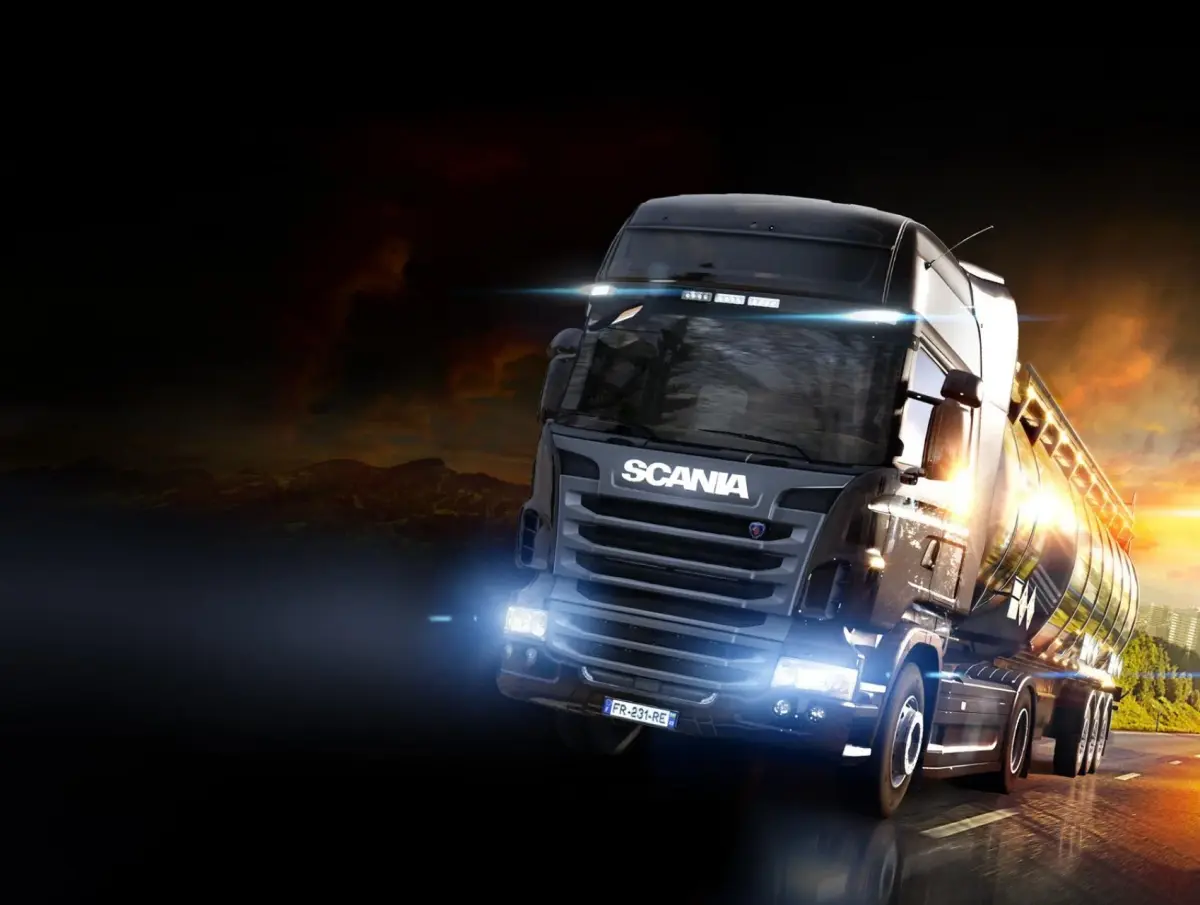
Welcome to Euro Truck Simulator 2, a game where you build your own trucking empire across the open roads of Europe. From hauling your first load of freight to managing a growing fleet and customizing your ultimate rig, this RPG offers a deep, atmospheric experience for players who enjoy open-world simulation and management.
This guide is your co-pilot for mastering ETS2. We'll cover everything from the basics of getting your business off the ground to advanced strategies for fleet management and rig customization. Whether you're aiming to unlock all the Steam Achievements or simply want to become the most efficient hauler on the continent, you'll find the tips and tricks you need right here.
Getting Started
Learn the basics of Euro Truck Simulator 2 with our beginner's guide. From taking your first job to buying trucks and starting a fleet, become a legendary trucker.
Getting Started
Learn the basics of Euro Truck Simulator 2 with our beginner's guide. From taking your first job to buying trucks and starting a fleet, become a legendary trucker.
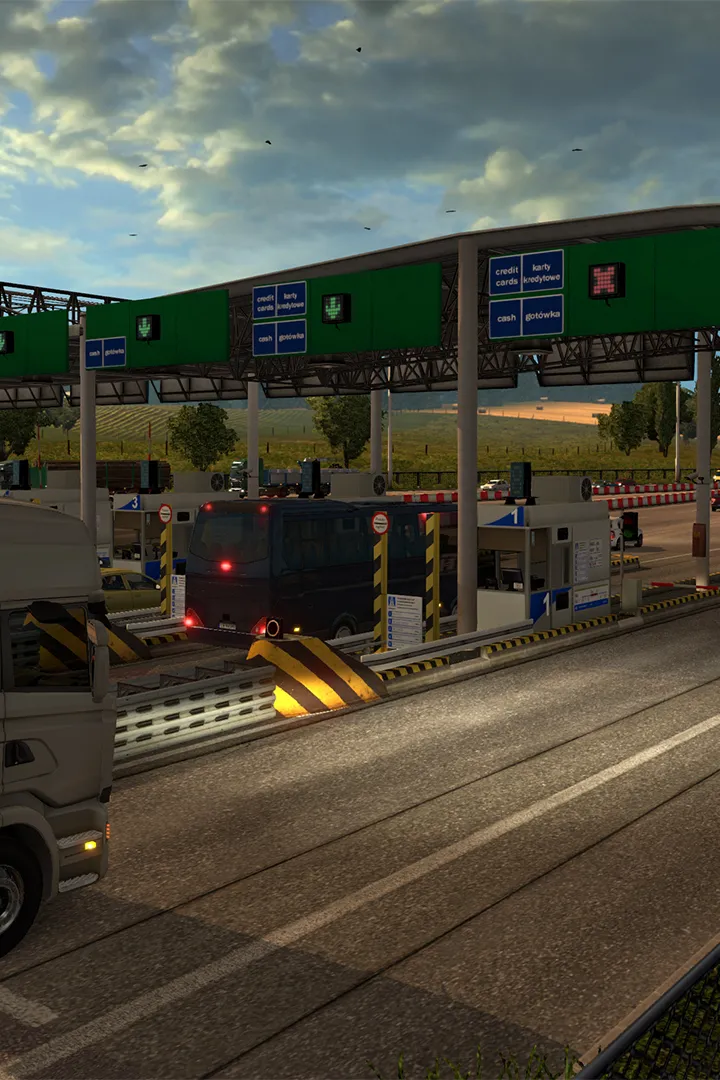
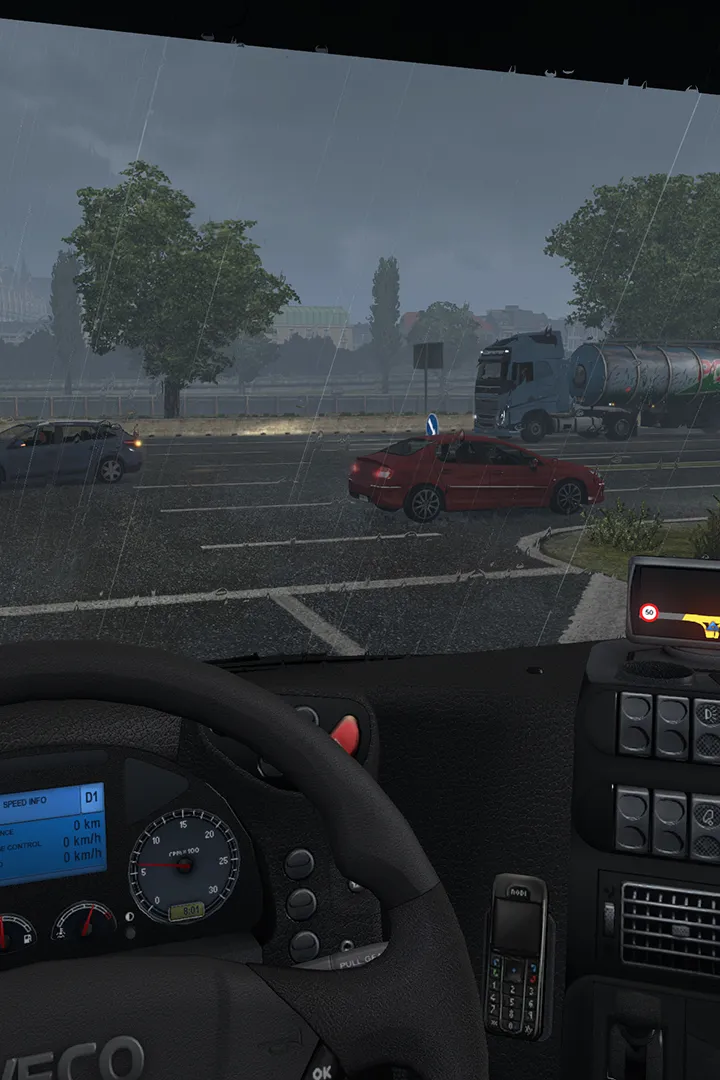
Understanding the User Interface (UI) — Euro Truck Simulator 2 Guide
Navigate the Euro Truck Simulator 2 interface like a pro! This guide breaks down the essential UI elements to help you manage your trucking business and deliveries efficiently.
Understanding the User Interface (UI) — Euro Truck Simulator 2 Guide
Navigate the Euro Truck Simulator 2 interface like a pro! This guide breaks down the essential UI elements to help you manage your trucking business and deliveries efficiently.

Map Legend and Navigation Tools — Euro Truck Simulator 2 Guide
Master the Euro Truck Simulator 2 map legend and navigation tools. Learn how to use your GPS, route advisor, and other essential in-game navigation features to plan your routes efficiently.
Hey there, future trucker! So you've fired up Euro Truck Simulator 2 and you're ready to hit the road, but you're wondering what all those symbols on the map mean and how to get around without getting lost. Don't worry, it's super straightforward once you know what you're looking at. Let's break down the map legend and the navigation tools you'll be using constantly.
Think of the map legend as your cheat sheet for the game world. It tells you what every icon represents, from cities and service areas to points of interest and even where you can find different types of jobs. You'll usually find this legend accessible directly from your map screen, often with a dedicated button or tab. Take a moment to familiarize yourself with it; it’s your best friend when you're trying to figure out where to go next or what services are available nearby.
The most crucial navigation tool you'll have is your in-game GPS, often called the Route Advisor. This handy display pops up on your dashboard and shows you the route to your destination. It highlights your current position, the road ahead, upcoming turns, and the path you need to follow. You can usually customize what the Route Advisor shows you, like turning off certain notifications or adjusting its size and position on your screen. Some players prefer a minimalist display, while others like having all the info right in front of them.
Beyond the GPS, you'll also use the main map screen extensively. This is where you can plan your routes, accept jobs, and see the overall layout of the countries and cities you can drive in. You can zoom in and out, pan around, and click on different locations to get more details, like available truck dealers, garages, and job offers. When you accept a job, this is where you'll set your destination and see the estimated travel time and distance. It's also where you'll see important information about your company's garages and any special facilities you might have unlocked.
Don't forget about the other helpful bits of information the game provides. You'll see icons for fuel stations, repair shops, and weigh stations. Knowing where these are is key to keeping your truck running smoothly and avoiding costly delays. Service areas often combine a few of these, offering fuel, repairs, and sometimes even a place to rest. Planning your stops around these can save you a lot of hassle on longer journeys.
So, to sum it up: use the map legend to understand what you're seeing, rely on your GPS for turn-by-turn directions, and use the main map screen to plan your overall journey and manage your business. Happy trucking!
Company Management Interface — Euro Truck Simulator 2 Guide
Navigate Euro Truck Simulator 2's Company Management Interface. Gain strategic advice and actionable steps for efficient operations and maximizing profits.
As your trucking empire expands beyond a single truck and driver, mastering the Company Management Interface becomes crucial for efficient operation and maximizing profits. This comprehensive guide will walk you through each section, providing actionable steps and strategic advice.
Accessing the Interface
To access the Company Management Interface, press the Esc key to open the main game menu. From there, navigate to the "Company Management" tab, typically found on the left-hand side of the screen, often represented by an icon resembling a truck or a building.
Overview Tab
The "Overview" tab provides a quick snapshot of your company's current status. It's your dashboard for immediate insights.
- Company Value: This figure reflects the total worth of your assets, including garages, trucks, and bank balance. A rising value indicates healthy growth.
- Profit: Displays your recent profit margins. Keep an eye on this to ensure your operations are financially sound.
- Number of Garages: Shows how many garages you currently own.
- Number of Trucks: Indicates the total number of trucks in your fleet.
- Number of Drivers: Lists the total number of drivers employed by your company.
- Bank Balance: Your current cash reserves. Essential for purchasing new assets or covering expenses.
Strategy: Regularly check the Overview to identify trends. A sudden dip in profit, for example, might signal a need to investigate driver performance or truck maintenance costs.
Garages Tab
The "Garages" tab is where you manage your company's physical locations. Each garage acts as a hub for your operations.
- Selecting a Garage: Click on any garage listed to view its details. You'll see its location (e.g., "Berlin," "Paris"), current capacity, and assigned drivers/trucks.
- Upgrading Garages:
- Action: Click the "Upgrade" button when viewing a specific garage.
- Cost: Upgrades cost money (e.g., 100,000 EUR for a small garage to medium).
- Benefit: Upgrading increases the number of available parking slots, allowing you to house more trucks and hire more drivers in that city. A small garage typically has 3 slots, a medium 5, and a large 8.
- Purchasing New Garages:
- Action: Navigate to the "Map" screen from the main menu, then click on any city with a garage icon (often a green building if available for purchase, or grey if already owned).
- Cost: Initial garage purchases are significant (e.g., 180,000 EUR for a small garage).
- Benefit: New garages expand your operational reach, allowing you to recruit local drivers and take jobs from new regions, reducing travel time for your drivers.
Strategy: Prioritize upgrading garages in high-traffic, central locations first. This allows you to consolidate your best drivers and trucks for maximum efficiency. Purchase new garages strategically to cover diverse regions of the map, minimizing empty runs for your AI drivers.
Truck Manager Tab
This section is your fleet headquarters, where you manage every truck you own.
- Viewing Truck Details: Click on any truck in the list to see its model, assigned driver, current location, odometer reading, and condition.
- Assigning Drivers:
- Action: Select an unassigned truck or a truck whose driver you wish to change. Click "Assign Driver."
- Selection: Choose from your pool of available drivers.
- Strategy: Match truck power and condition with driver skill. Don't give a powerful, high-maintenance truck to a novice driver.
- Selling Trucks:
- Action: Select a truck and click the "Sell" button.
- Consideration: You'll receive a percentage of its original value, factoring in wear and tear.
- Strategy: Sell older, less efficient trucks to free up garage space and capital for newer, more profitable models.
- Upgrading Trucks:
- Action: While viewing a truck, click "Upgrade." This takes you to the Truck Dealer interface.
- Options: Customize paint, engine, transmission, chassis, and various accessories.
- Strategy: Upgrade engines for better performance on long hauls or heavy cargo. Improve chassis for stability and fuel efficiency.
Strategy: Regularly review your fleet. Trucks with high mileage and frequent breakdowns will eat into your profits through maintenance costs. Consider a rotation strategy: use older trucks for shorter, less demanding routes, and newer, more powerful trucks for lucrative long-distance jobs.
Driver Manager Tab
Your drivers are the backbone of your company. This tab allows you to manage their careers and skills.
- Viewing Driver Details: Click on a driver to see their name, assigned truck, current location, skill levels, and overall rating.
- Skill Progression:
- Automatic: Drivers gain experience and level up automatically as they complete jobs.
- Manual Allocation: When a driver levels up, you'll be prompted to allocate skill points.
- Key Skills:
- ADR (Hazardous Materials): Unlocks high-paying dangerous cargo jobs.
- Long Distance: Increases the range of available jobs and reduces fuel consumption on long hauls.
- Heavy Cargo: Allows drivers to take on heavier, often higher-paying, loads.
- Fragile Cargo: Reduces damage risk for delicate goods.
- Just-in-Time: Improves efficiency for time-sensitive deliveries.
- High Value Cargo: Unlocks premium, high-paying cargo.
- Hiring New Drivers:
- Action: Go to an empty garage slot and click "Hire Driver."
- Selection: Choose from a pool of available drivers, each with starting skills and a hiring fee.
- Consideration: Ensure you have an available truck and garage slot before hiring.
- Firing Drivers:
- Action: Select a driver and click "Fire."
- Consequence: You lose the driver and any investment in their skills.
- Strategy: Only fire drivers who consistently underperform or cause significant damage, especially if you're short on funds.
Strategy: Develop a specialization strategy for your drivers. Train some in "Long Distance" and "ADR" for lucrative hazardous long hauls, while others focus on "Heavy Cargo" and "High Value Cargo" for specialized contracts. Don't spread skill points too thinly; focus on maxing out a few key skills first for each driver.
Bank Tab
Your financial hub. Manage loans and track your company's economic performance.
- Taking Loans:
- Action: Click "Take Loan."
- Options: Various loan amounts are available (e.g., 100,000 EUR, 400,000 EUR), each with different interest rates and repayment schedules.
- Strategy: Loans are essential for initial expansion (buying garages, trucks). Only take what you need and ensure your income can cover repayments.
- Repaying Loans:
- Automatic: Repayments are automatically deducted daily.
- Manual: You can make extra payments or repay the entire loan early to save on interest by clicking "Repay Loan."
- Transaction History: Review your income and expenses to understand where your money is going.
Strategy: Avoid taking multiple large loans simultaneously, as the combined daily repayments can quickly cripple your cash flow. Use loans as a stepping stone for growth, then focus on generating enough profit to pay them off quickly. Monitor your "Profit" in the Overview tab closely after taking a loan to ensure you're still in the green.
Similar guides you might like




100% Human-Written. AI Fact-Checked. Community Verified. Learn how AntMag verifies content