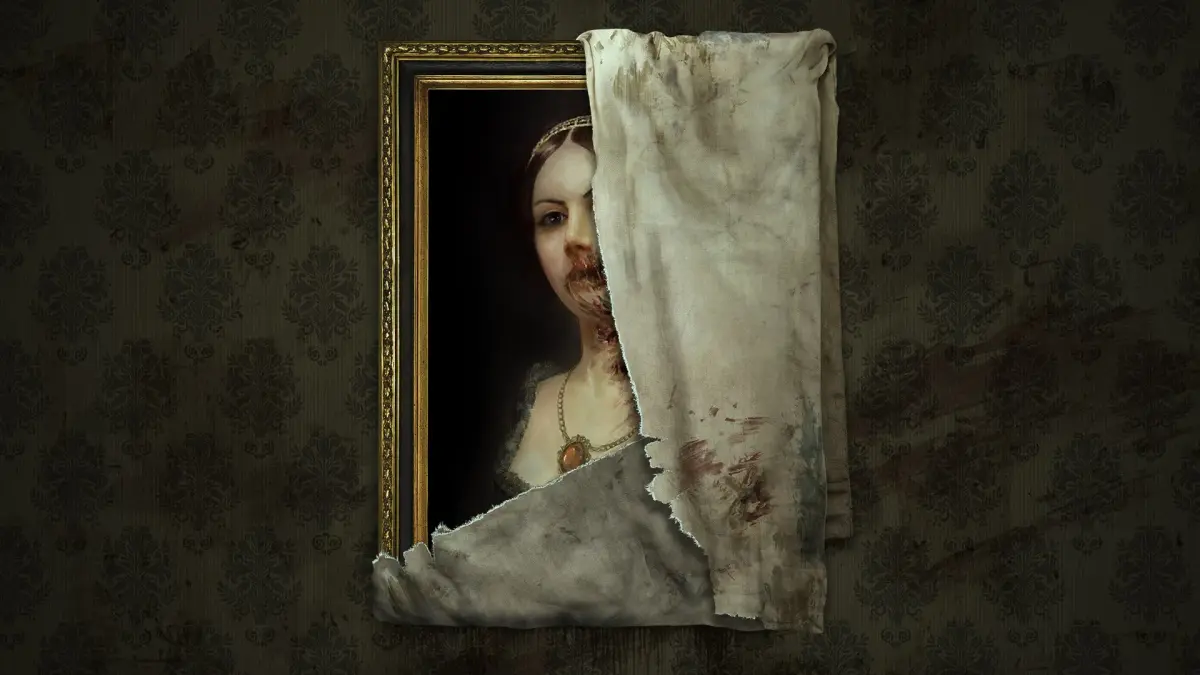
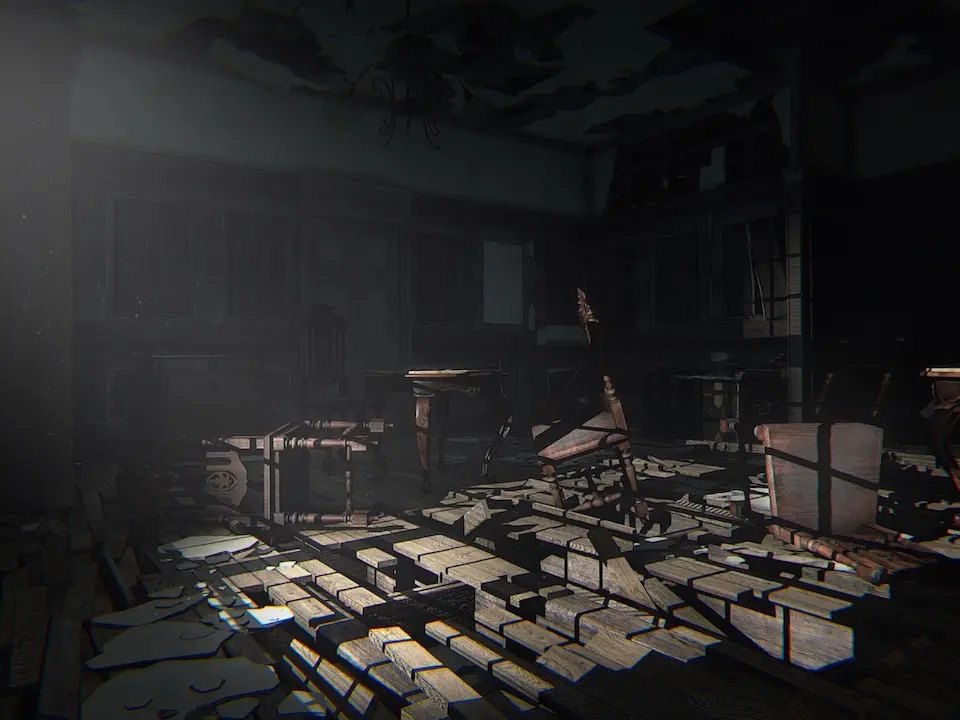
Journey through The Nursery and Childhood Memories in Layers of Fear, exploring the Painter's psyche and the origins of his obsession with art and his mother.
As you delve deeper into the Painter's fractured psyche, the mansion's oppressive atmosphere shifts, leading you into the haunting echoes of his formative years. This section is crucial for understanding the genesis of the Painter's artistic obsession and his deeply troubled relationships, particularly with his mother. Prepare for a profound psychological journey where the environment itself becomes a canvas for his distorted recollections.
Navigating the Childhood Labyrinth
The primary objective in this area is to piece together the narrative of the Painter's early life. The mansion's layout will become increasingly surreal, mirroring the chaotic and often terrifying nature of a child's perception when faced with neglect or trauma. Pay close attention to environmental transformations and auditory cues, as they are key to progressing and understanding the story.
- Initial Entry: You'll often find yourself in a corridor that subtly morphs. Doors may appear or disappear, and familiar rooms might suddenly become unfamiliar. This is the game’s way of disorienting you, mimicking the Painter's fragmented memories.
- The Nursery: This central location is the heart of this section. It's typically characterized by muted colors, scattered toys, and a crib. Interact with everything you can. The crib, in particular, often holds significant clues or triggers events.
- Connecting Rooms: Expect to find connecting rooms that transition abruptly. A hallway might lead directly into a child's bedroom, then unexpectedly into a dark, oppressive study, symbolizing the shift between innocence and the harsh realities of his parents' lives.
Unsettling Imagery and Sounds: What to Expect
The game masterfully uses psychological horror to convey the Painter's childhood trauma. The "unsettling imagery and sounds" are not merely jump scares but deeply integrated narrative elements:
Visual Manifestations:
- Distorted Toys: Look for toys that are broken, disfigured, or arranged in disturbing ways. A rocking horse might sway on its own, or dolls might have their eyes gouged out, symbolizing lost innocence or childhood fears.
- Flickering Lights and Shadows: The lighting in this section is often unstable, casting long, dancing shadows that can create illusions of movement or figures in the periphery. This represents the Painter's unreliable memory and paranoia.
- Childlike Drawings: Keep an eye out for crude, unsettling drawings on walls or scattered papers. These often depict monstrous figures, distorted family portraits, or scenes of conflict, offering direct insight into the child's perspective of his parents.
- Environmental Shifts: Rooms might suddenly shrink or expand, furniture might be oversized or miniature, reflecting a child's perception of the world around them. A grand piano might loom menacingly, or a small chair might feel impossibly far away.
- Fading Figures: Occasionally, you might catch glimpses of spectral figures – a fleeting shadow of a child, or a woman (likely his mother) disappearing around a corner. These are visual echoes of past events.
Auditory Cues:
- Whispers and Cries: You'll frequently hear faint, disembodied whispers, often sounding like a child crying or a woman's distressed voice. These are auditory memories of arguments or the child's own suffering.
- Creaking and Groaning: The mansion itself seems to breathe and groan, with floorboards creaking under unseen weight, doors slowly opening or slamming shut, and distant thuds. These sounds heighten tension and suggest a living, malevolent presence.
- Distorted Music Box Melodies: A recurring motif might be the faint, melancholic tune of a music box, often distorted or abruptly cutting out, symbolizing shattered innocence.
- Sudden, Sharp Noises: While not always jump scares, sudden loud noises like glass breaking, a sharp bang, or a guttural growl can punctuate moments of silence, keeping players on edge and representing the sudden shocks of childhood trauma.
Key Interactive Elements and Collectibles
To fully unravel the Painter's past, you must interact with specific objects and collect hidden items. These are not just collectibles; they are fragments of the narrative:
- Child's Toys: Picking up or examining certain toys (e.g., a wooden block, a teddy bear, a doll) can trigger flashbacks, reveal hidden messages, or cause environmental changes.
- Letters and Notes: Scattered throughout the nursery and adjacent rooms, you'll find letters, diary entries, or scribbled notes. These are crucial for understanding the family dynamics, particularly the mother's struggles and the Painter's burgeoning artistic talent. Look for notes detailing his early drawings or his mother's criticisms.
- Photographs: Old, often torn or burnt photographs provide visual context to the Painter's family. Some might show a seemingly happy family, while others are defaced, reflecting his later resentment.
- Drawing Utensils: Pencils, crayons, or paintbrushes found in the nursery or study can sometimes trigger memories related to his early artistic endeavors and his parents' reactions to them.
- Mirrors: As in other sections of the game, mirrors often serve as portals or reveal distorted reflections of the Painter's past self or his family members.
Environmental Shifts Reflecting a Child's Perspective
The game excels at visually representing the world through a child's eyes, particularly when that world is frightening or confusing:
- Exaggerated Scale: Furniture might appear disproportionately large, making you feel small and vulnerable, just as a child would in an adult world. Doors might seem impossibly tall, and hallways stretch endlessly.
- Cluttered Spaces: Rooms can become overwhelmingly cluttered with toys, books, or household items, reflecting a child's perception of a chaotic or overwhelming environment, or perhaps a parent's neglect.
- Hidden Spaces: You might discover small, cramped spaces like closets or under beds, suggesting places a child would hide from conflict or fear. These often contain important clues.
- Vivid Colors (and their absence): While much of the game is desaturated, certain objects in the childhood memories might retain a vibrant, almost sickly, color, highlighting their significance or the child's intense emotional connection to them. Conversely, areas of extreme desaturation can represent emotional emptiness or neglect.
- Repeating Patterns: Corridors might loop, or rooms might repeat with subtle differences, symbolizing the cyclical nature of trauma or the Painter's inability to escape his past.
Common Pitfalls and Tips for Progression
- Don't Rush: The narrative is subtle. Take your time to examine every detail. Many environmental cues are easily missed if you sprint through.
- Listen Carefully: Audio is paramount in Layers of Fear. Wear headphones if possible to catch faint whispers, distant sounds, and directional cues that might indicate a path or a hidden event.
- Interact with Everything: If an object can be interacted with, do so. Even seemingly mundane items can trigger a memory or a subtle environmental change.
- Look Behind You: The game frequently changes the environment when you're not looking. Turning around can reveal new paths, closed doors, or terrifying manifestations.
- Manage Your Fear: While there are no direct combat mechanics, the psychological stress can be intense. Take short breaks if you feel overwhelmed, as a clear mind helps in noticing subtle clues.
By carefully observing these details and engaging with the environment, you will slowly peel back the layers of the Painter's childhood, understanding the roots of his madness and the tragic events that shaped his life and art. This section culminates in a deeper understanding of the first layer of the Painter's masterpiece, often revealing the initial inspiration or trauma that set him on his destructive path.
100% Human-Written. AI Fact-Checked. Community Verified. Learn how AntMag verifies content