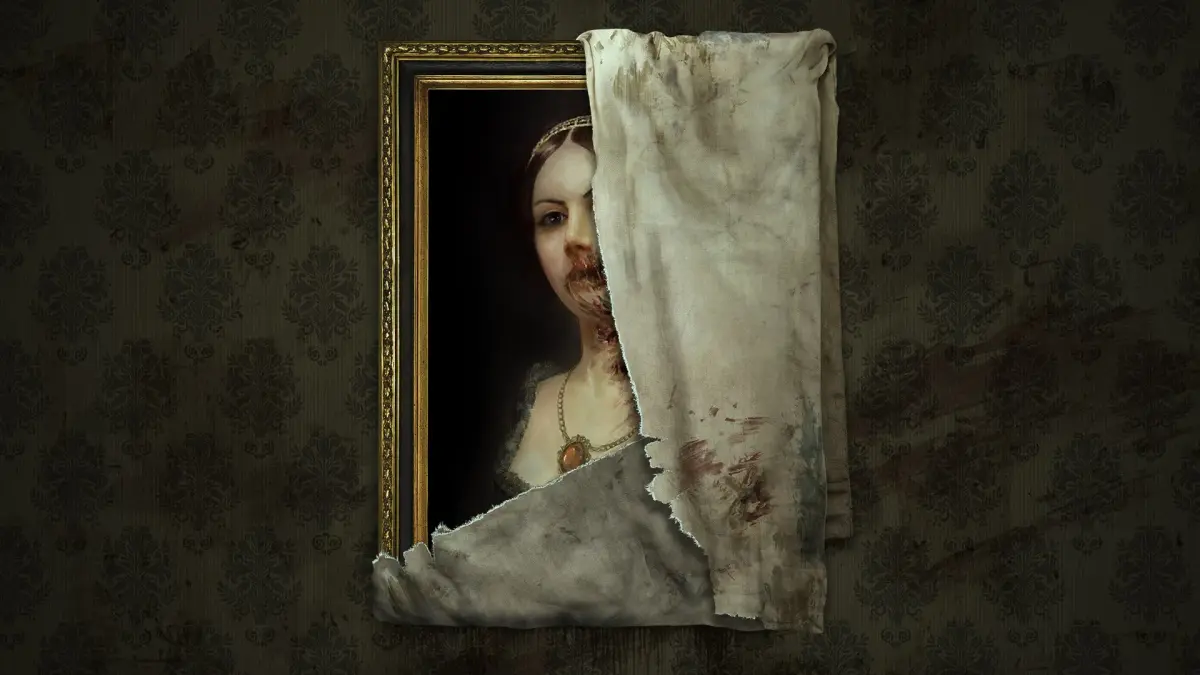
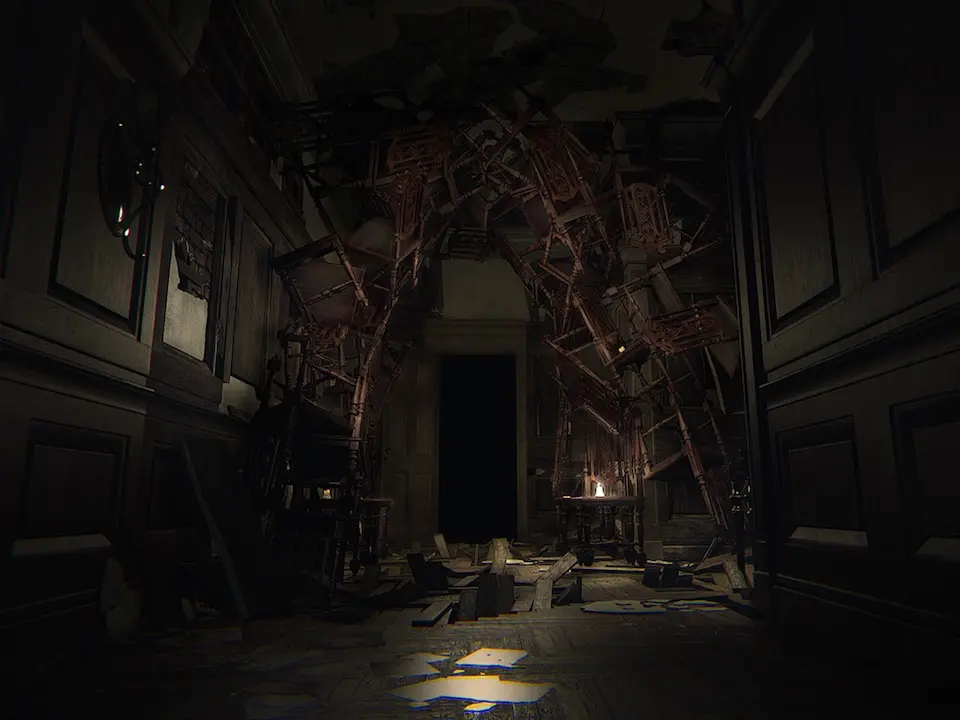
Relive 'The Wife's Tragedy and Despair' in Layers of Fear. Uncover the harrowing details of her suffering and descent into despair within the mansion.
This pivotal section of Layers of Fear delves deep into the tragic decline of the Painter's wife, a once vibrant musician whose life was irrevocably altered by a devastating accident. As you navigate the ever-shifting corridors of the mansion, you will uncover the harrowing details of her suffering, her descent into despair, and the profound impact it had on the Painter's psyche and his art. This chapter is crucial for understanding the genesis of his guilt, his escalating obsession, and the dark path that led to his ultimate madness.
Environmental Storytelling: A Descent into Illness
The mansion itself becomes a canvas reflecting the wife's deteriorating health and mental state. Pay close attention to the environmental cues, as they paint a vivid picture of her prolonged agony:
- Medical Equipment: Expect to encounter a disturbing array of medical paraphernalia. Look for wheelchairs overturned in hallways, crutches leaning against walls, and discarded pill bottles scattered across tables and floors. These items are not merely props; they symbolize her physical incapacitation and the constant presence of illness.
- Signs of Injury and Recovery: You may find bandages, splints, and even bloodstains, particularly in areas that hint at her accident or subsequent treatments. These elements serve as stark reminders of the physical trauma she endured.
- Personal Belongings: Her personal items, once symbols of her vibrant life, now tell a story of neglect and despair. A broken violin, sheet music scattered and torn, or a vanity table cluttered with half-used cosmetics can all indicate her loss of passion and self-care.
- Artistic Decline: Observe the artwork within this section. While the Painter's work often dominates, you might find sketches or paintings attributed to his wife that become increasingly dark, abstract, or even incomplete, reflecting her fading spirit and ability to create.
- Altered Spaces: Rooms that once might have been vibrant and full of life now appear sterile, neglected, or claustrophobic. A once elegant bedroom might be transformed into a sickroom, complete with a hospital bed and IV stands, emphasizing her confinement and suffering.
Interactive Elements and Narrative Triggers
To fully grasp the wife's tragedy, actively engage with the environment. Many objects serve as direct narrative triggers, offering glimpses into her past and present:
- Diaries and Letters: Keep an eye out for handwritten notes, diary entries, or letters. These are invaluable for understanding her perspective, her pain, and her growing resentment towards the Painter. They often detail her physical discomfort, her emotional anguish, and her feelings of being a burden. Specific examples include a diary entry found in the master bedroom detailing her frustration with her physical limitations and another in the study expressing her fear of being forgotten.
- Photographs: Discovering photographs of the wife, especially those depicting her before the accident, can be particularly poignant. Compare these images of her former self with the current state of the mansion to underscore the depth of her loss. A key photograph can be found on a bedside table in the sickroom, showing her vibrant and healthy, directly contrasting with the desolate surroundings.
- Musical Instruments: Interacting with a piano or violin, even if it's just to trigger a discordant note, can evoke her past as a talented musician and highlight the tragedy of her lost abilities. The grand piano in the music room, when interacted with, will play a fragmented, melancholic tune, symbolizing her broken dreams.
- Mirrors: Mirrors in this section often distort reflections or show fleeting, unsettling images of the wife, emphasizing her fractured self-image and the Painter's distorted perception of her. A notable instance occurs in the bathroom, where the mirror momentarily shows a spectral image of the wife, gaunt and despairing, before returning to a blurry reflection of the player.
- Sound Cues: Listen carefully for auditory cues. Faint cries, labored breathing, or the creaking of a wheelchair can often be heard, drawing you deeper into her suffering. In the long, winding corridor leading to the nursery, players might hear the distinct, rhythmic creak of a wheelchair slowly moving away, accompanied by a soft, almost inaudible whimper.
The Shifting Environment: A Reflection of Despair
As you progress, the mansion's architecture and atmosphere will subtly, and sometimes dramatically, shift to mirror the wife's escalating despair and the Painter's guilt:
- Color Palette: The vibrant colors of earlier sections may give way to muted, desaturated tones, reflecting a loss of joy and vitality. Greys, dull blues, and sickly greens often dominate. For instance, the once opulent drawing-room transforms from rich reds and golds to a washed-out grey and sickly yellow, signifying the decay of their shared life.
- Lighting: Lighting becomes harsher, flickering, or dim, creating a sense of unease and claustrophobia. Shadows lengthen and dance, hinting at unseen horrors and the Painter's deteriorating mental state. In the hallways leading to the wife's former studio, the light sources often flicker erratically, casting long, distorted shadows that seem to writhe on the walls, mimicking the Painter's internal turmoil.
- Room Transformations: Familiar rooms can suddenly transform into sterile hospital wards, dilapidated sickrooms, or even abstract representations of her pain. Walls may appear stained or peeling, and furniture might be broken or askew, symbolizing the decay of their life together. A prime example is the transformation of the elegant dining room into a makeshift hospital room, complete with an empty IV stand and medical charts scattered on the floor, indicating her prolonged illness and confinement.
- Illusions and Hallucinations: The line between reality and illusion blurs. You may witness fleeting apparitions of the wife, hear her voice, or experience sudden, jarring environmental changes that represent the Painter's fractured memories and guilt-ridden conscience. These moments are designed to disorient and evoke empathy for her plight. In the library, players might briefly see the wife's silhouette at the end of an aisle, only for it to vanish upon approach, leaving behind a faint scent of lavender.
- Thematic Overlays: The environment might be overlaid with motifs of confinement, decay, and brokenness. Bars might appear over windows, doors might slam shut behind you, and objects might shatter or crumble as you approach, reinforcing the sense of entrapment and irreversible damage. In the corridor leading to the attic, windows that were previously clear become barred, creating a sense of being trapped, while doors behind you might suddenly slam shut, echoing the wife's feeling of being imprisoned by her condition.
Key Locations and Their Significance
Certain areas within the mansion are particularly crucial for understanding the wife's story:
- The Music Room: Once a place of joy and creative expression, this room now stands as a monument to her lost talent. The grand piano, often covered in dust or with broken keys, serves as a powerful symbol. Players might find scattered sheet music, some of which is torn or stained, hinting at her inability to continue her passion. Interacting with the piano can trigger a memory fragment or a distorted melody, emphasizing her musical past and current despair.
- The Sickroom/Master Bedroom: This area is often transformed into a sterile, oppressive space, reflecting her prolonged illness and confinement. Expect to find medical equipment, discarded medicine bottles, and personal items that speak of neglect. Diary entries detailing her physical pain and emotional isolation are frequently found here, offering direct insight into her suffering. The atmosphere is heavy with a sense of stagnation and hopelessness.
- The Bathroom: Often a site of profound psychological distress, the bathroom can feature distorted mirrors, bloodstains, or unsettling imagery related to self-harm or despair. The mirror's reflections are rarely straightforward, often showing a corrupted or spectral image of the wife, symbolizing her fractured self-perception and the Painter's guilt.
- The Nursery: While primarily linked to the child, the nursery also reflects the wife's despair, particularly concerning her role as a mother and the impact of her condition on the family. Items here might be broken or neglected, symbolizing the broken family unit and her inability to care for her child as she once did.
Walkthrough: Tracing Her Steps of Sorrow
To fully uncover the wife's tragedy, follow these steps and interact with the environment:
- Initial Encounter with Medical Items: From the main foyer, proceed through the double doors into the long corridor. Immediately, you will begin to see signs of her illness. Look for an overturned wheelchair near the first bend. Continue into the adjacent sitting room; on a small table, you will find a half-empty bottle of painkillers and a crumpled note from a doctor, hinting at her deteriorating health.
- The Music Room's Echoes: Navigate to the music room, typically found off the main hall. Approach the grand piano. Interact with it (usually by pressing 'E' on PC, 'A' on Xbox, 'X' on PlayStation). This will trigger a short, melancholic musical piece and a visual flicker of the wife playing. On the piano stand, collect the "Torn Sheet Music" item, which provides a lore entry about her once-renowned talent.
- The Sickroom's Despair: Progress towards the master bedroom. As you enter, the room will often transform into a sickroom. On the bedside table, locate and read the "Wife's Diary - Entry 3" which details her physical pain and growing resentment towards the Painter. Next to the bed, examine the IV stand; a prompt will reveal a brief vision of her lying in bed, frail and suffering.
- Bathroom Reflections: Head into the adjoining bathroom. Approach the mirror above the sink. As you look into it, the reflection will momentarily distort, showing a gaunt, ghostly image of the wife. This is a crucial visual cue for her psychological state. On the counter, pick up the "Empty Perfume Bottle," a small item that triggers a memory of her vibrant past.
- The Nursery's Broken Dreams: Continue to the nursery. Here, the environment will often be disheveled. On the floor near the crib, find the "Broken Toy Rattle." Interacting with it will play a faint, distorted lullaby, symbolizing her inability to fully embrace motherhood after the accident. A small, faded drawing on the wall, attributed to the wife, will depict a dark, abstract figure, showcasing her artistic decline.
- Corridor of Whispers: As you exit the nursery and proceed down the adjacent corridor, listen carefully. You will hear faint whispers and the distant sound of labored breathing. These auditory cues are designed to heighten the sense of her unseen presence and suffering. At the end of this corridor, a door will slam shut behind you, emphasizing the feeling of entrapment she experienced.
- The Study's Accusations: Finally, make your way to the Painter's study. On his desk, among his painting tools, you will find a "Letter from the Wife." This letter is a critical narrative piece, explicitly detailing her feelings of abandonment, her physical agony, and her belief that the Painter cares more for his art than for her. This letter serves as a culmination of her despair and a direct accusation towards the Painter.
Common Pitfalls and Missables
- Rushing Through: The environmental storytelling is paramount. Rushing through areas means missing crucial visual and auditory cues that build the wife's tragic narrative. Take your time to examine every detail.
- Ignoring Notes and Letters: Diaries, letters, and notes are the most direct sources of information about the wife's perspective. Failing to read these will leave significant gaps in your understanding of her suffering and the Painter's guilt.
- Missing Interactive Objects: Many objects, like the piano or specific medical items, trigger unique visual or auditory events. Always look for interaction prompts (e.g., a glowing outline or a button prompt) to ensure you don't miss these narrative beats.
- Not Connecting the Dots: The game doesn't explicitly state everything. Players must connect the visual decay of the mansion with the wife's physical and mental decline, and the Painter's artistic obsession with her suffering.
By meticulously observing these details and interacting with the environment, players gain a profound understanding of the wife's tragedy, her immense suffering, and how her fate became inextricably linked to the Painter's descent into madness and his twisted artistic endeavors, ultimately leading to the creation of his magnum opus.
100% Human-Written. AI Fact-Checked. Community Verified. Learn how AntMag verifies content