
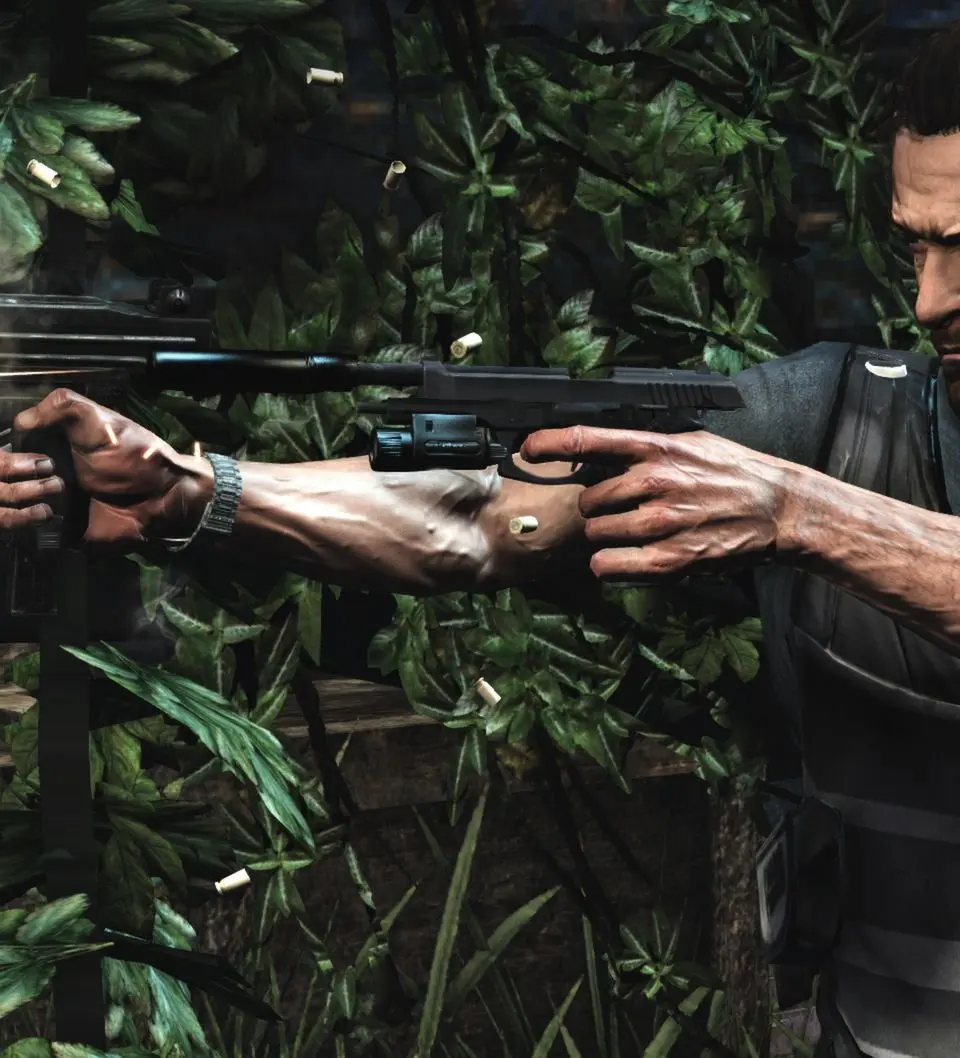
Uncover the rich story and lore of Max Payne 3. Understand Max's motivations, the factions, and his tragic past in São Paulo's gritty narrative.
Story & Lore
Welcome, fellow Max Payne 3 aficionados! This section delves deep into the gritty narrative and intricate lore that underpins Max's descent into the sun-drenched, yet equally dark, streets of São Paulo. Understanding the motivations, the factions, and the tragic past that haunts our protagonist is key to fully appreciating the game's masterful storytelling. While Max Payne 3 isn't a traditional RPG, its rich character development and branching narrative elements (through Max's internal monologues and choices in how to approach certain situations) make understanding the lore crucial for a complete experience.
Max's Inner Demons: A Brief History
Max Payne's story is one of perpetual loss and self-destruction. Before São Paulo, his life was a spiral of tragedy: the murder of his wife and infant daughter, his subsequent revenge quest, and his entanglement with the criminal underworld of New York. By the time we meet him in Brazil, he's a broken man, addicted to painkillers and alcohol, haunted by his past. His internal monologues, often delivered with his signature noir-style cynicism, are not just flavor text; they provide vital clues to his mental state and often foreshadow upcoming events.
- Key Lore Item: Max's Journal Entries (Collectibles)
- Throughout various chapters, you'll find scattered journal entries or notes that offer deeper insights into Max's thoughts, his past, and his observations on the current situation. For instance, in Chapter III: "Kind of a Bad Day," after the initial shootout at the party, look for a crumpled note on a table near the bar. This note details Max's growing paranoia and his reliance on painkillers, providing context for his increasingly erratic behavior.
- In Chapter VI: "A Man As Good As His Word," during the flashback sequence in New York, a specific newspaper clipping found in Max's old apartment (look on the kitchen counter) details the aftermath of the events of Max Payne 2, reminding players of the weight Max carries.
The São Paulo Underbelly: Factions and Their Motives
São Paulo is a city of stark contrasts, and its criminal landscape is equally complex. Max finds himself caught between powerful, corrupt forces, each with their own agenda.
The Branco Family
Max's employers, the wealthy Branco family, initially appear as victims. Rodrigo Branco, the patriarch, and his brothers, Victor and Marcelo, are at the center of the kidnapping plot. However, as the story unfolds, their own secrets and illicit dealings come to light. Understanding their internal dynamics is crucial for piecing together the larger conspiracy.
- Actionable Insight: Observe Family Interactions
- Pay close attention to the dialogue and body language during cutscenes involving the Branco brothers. Victor's subtle manipulations and Marcelo's recklessness are often telegraphed before they become explicitly clear. For example, in Chapter II: "Nothing but the Truth," during the initial party sequence, observe Victor's conversations with other guests; he often seems to be making deals or exerting influence, hinting at his true nature.
The Comando Sombra (Shadow Command)
This ruthless favela gang is initially presented as the primary antagonist, responsible for the kidnapping of Fabiana Branco. Their methods are brutal, and their reach extends deep into the city's poorest neighborhoods. Their motivations, however, are more complex than simple thuggery.
- Strategic Tip: Exploit Internal Conflicts
- While fighting through the favelas in chapters like Chapter V: "Alive If Not Exactly Well," you'll notice instances of internal strife within the Comando Sombra. Sometimes, rival factions within the gang will clash. Use these moments to your advantage, letting them thin their own numbers before you engage. Look for areas where gunfire is already exchanged between different groups of enemies; these are prime opportunities for a tactical advance.
The Crachá Preto (Black Badge)
A private military corporation, or PMC, the Crachá Preto are initially hired by the Branco family for security. However, their involvement quickly becomes suspicious. Their professional demeanor and advanced weaponry make them formidable foes, and their true allegiance is a major plot twist.
- Combat Strategy: Prioritize Heavy Weapons
- When facing Crachá Preto operatives, especially in later chapters like Chapter X: "Adios, Amigos," be prepared for heavily armored enemies. Always aim for headshots, and prioritize picking up their dropped weapons, such as the AK-47 or the M4 Super 90 shotgun, as these are often superior to what you might be carrying. Look for opportunities to use environmental explosives against their armored vehicles or clustered groups.
The UFE (Unidade de Forças Especiais - Special Forces Unit)
São Paulo's elite police force, the UFE, are supposedly on the side of law and order. However, their methods are often brutal and their corruption runs deep. Max frequently finds himself at odds with them, blurring the lines between friend and foe.
- Lore Connection: The "Death Squad" Mentality
- The UFE's actions, particularly their disregard for civilian casualties and their aggressive tactics, reflect a real-world issue of police brutality and corruption in certain regions. Max's internal monologues often highlight this, questioning the very nature of justice in São Paulo. In Chapter XII: "The Great American Savior," when you're fighting through the UFE headquarters, Max's commentary on their "justice" provides crucial insight into the game's broader social commentary.
Collectibles and Their Narrative Impact
Beyond the direct storyline, Max Payne 3 offers various collectibles that enrich the lore and provide deeper context to the events unfolding around Max.
- Golden Gun Parts: While primarily a gameplay mechanic for unlocking powerful weapon variants, the locations of these parts often tell their own small stories. For example, finding a Golden .45 ACP part in a dilapidated favela shack (Chapter V) speaks to the widespread availability of illicit firearms.
- Clues and Evidence: These items, often found near key plot points, provide additional details about the characters, their motivations, and the overarching conspiracy.
- Example: Fabiana's Photo Album (Chapter IV: "Ferry's Wheel") - Found on a table in the abandoned hotel, this album contains pictures of Fabiana and her friends, humanizing her and making her plight more impactful.
- Example: Newspaper Clippings (Various Chapters) - These often detail local crime, political corruption, or the activities of the various factions, giving a broader perspective on São Paulo's social and political climate. Look for one in the police station in Chapter XI: "Sunken Dreams" that discusses the rising crime rates and public distrust of the UFE.
100% Human-Written. AI Fact-Checked. Community Verified. Learn how AntMag verifies content