
Resource Gathering & Management
Survival in the desolate, reality-bending world of Post Trauma hinges on meticulous resource gathering and strategic management. Unlike many survival horror titles, resources here are often scarce and their locations are rarely obvious. This section will guide you through identifying crucial items, understanding their uses, and optimizing your inventory to face the horrors ahead.
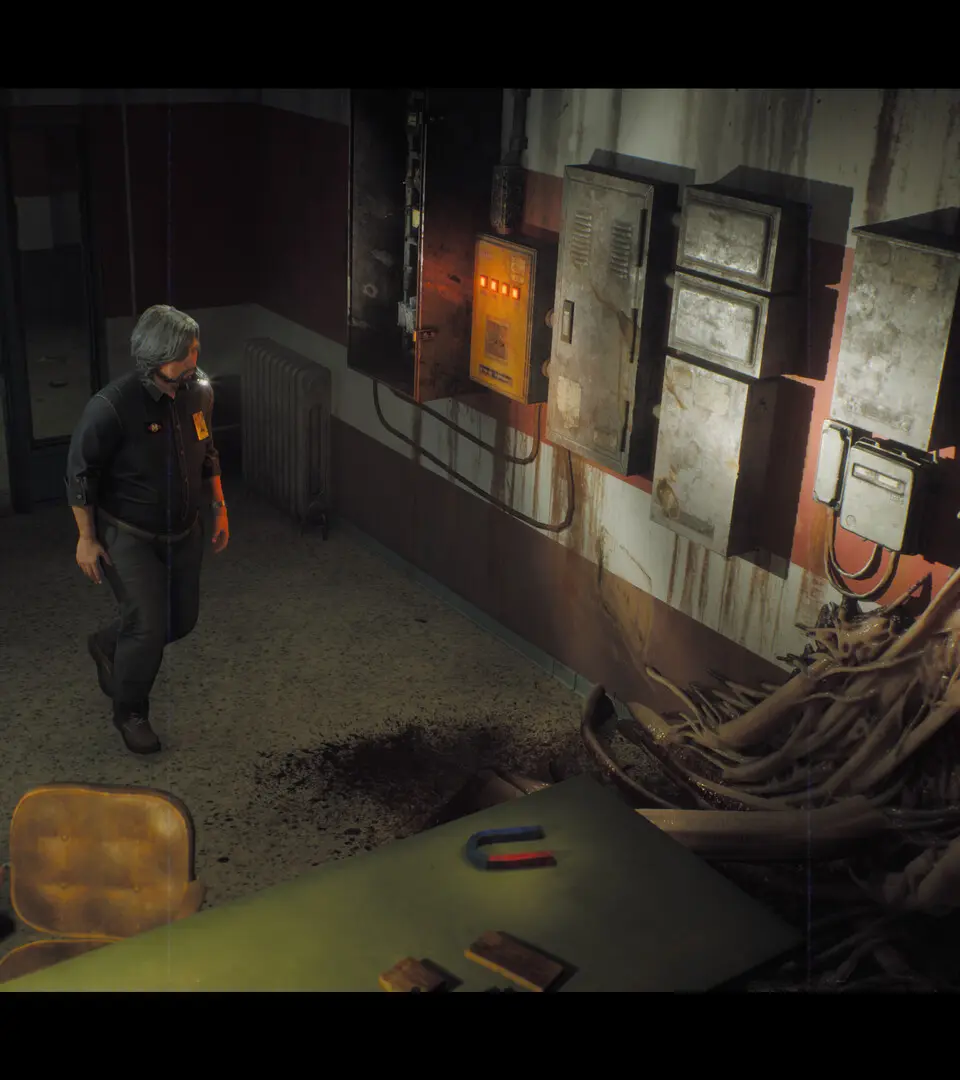
Essential Resources & Their Uses
Understanding what each item does is the first step to effective management. Prioritize these items:
- Medical Supplies: Crucial for maintaining your health.
- Bandages: Restore a small amount of health. Best used for minor injuries to conserve more potent items. Found frequently in bathrooms, medical cabinets, and sometimes on defeated enemies.
- First Aid Kits: Restore a moderate amount of health. Save these for significant damage. Often located in secure areas, staff rooms, or behind locked doors requiring a specific key.
- Syringes (Adrenaline): Provide a temporary boost to movement speed and a small health regeneration over time. Excellent for escaping dangerous situations or pushing through areas quickly. Very rare, usually found in hidden compartments or after solving complex puzzles.
- Ammunition: Your primary means of defense against the creatures lurking in the shadows.
- Pistol Rounds: Common, but less powerful. Effective against weaker, slower enemies. Look for these in desk drawers, abandoned police vehicles, and sometimes dropped by humanoid adversaries.
- Shotgun Shells: Devastating at close range, ideal for larger or faster threats. Scarce, often found in weapon lockers or secure storage rooms. Conserve these for critical encounters.
- Rifle Cartridges: Long-range and high damage. Extremely rare, usually reserved for boss encounters or specific environmental puzzles. Often found near military checkpoints or in heavily guarded areas.
- Light Sources: Essential for navigating dark environments and revealing hidden pathways.
- Flashlight: Your primary, rechargeable light source. Requires batteries.
- Batteries: Recharge your flashlight. Come in various sizes (AA, D-Cell) and provide different amounts of charge. Found in utility closets, abandoned electronics, and sometimes within enemy remains.
- Lighter: Provides a small, constant light source. Useful for reading notes or illuminating very small areas without draining flashlight batteries. Often found in personal belongings or on corpses.
- Key Items: These are not consumed but are vital for progression.
- Keys: Unlock doors, cabinets, and other containers. Always check bodies, desks, and hidden nooks for these. Pay attention to their descriptions for clues on where they might be used (e.g., "Janitor's Key," "Office Keycard").
- Tools (e.g., Crowbar, Wire Cutters): Used to bypass obstacles or access new areas. A Crowbar might open a jammed door in the
Dilapidated Hospital Wing , while Wire Cutters could disable an electrical fence in theMaintenance Tunnels . - Puzzle Pieces/Documents: Often provide lore, hints, or are directly required to solve environmental puzzles. Always read documents carefully.
Strategic Gathering & Exploration
The world of Post Trauma is designed to punish carelessness. Adopt these strategies:
- Thorough Scavenging: Leave no stone unturned. Check every drawer, cabinet, shelf, and corner. Many crucial items are hidden in plain sight or require a slight adjustment of your camera angle to spot. For example, a First Aid Kit might be tucked away on a high shelf in the
Abandoned Nurse's Station , or Pistol Rounds could be under a loose floorboard in thePatient Ward B . - Prioritize Exploration Over Combat: Unless absolutely necessary, try to avoid combat. Ammunition is precious. Use stealth or environmental hazards to bypass enemies when possible.
- Listen Carefully: The game's sound design is a resource in itself. The faint clink of a dropped item, the rustle of papers, or the distant hum of machinery can often indicate a nearby resource cache.
- Backtracking: Don't be afraid to revisit previously cleared areas. New pathways might open up, or you might spot an item you missed during your initial frantic pass. Sometimes, a key found much later will unlock a previously inaccessible room in an early area, revealing valuable supplies.
- Environmental Clues: Look for subtle hints. A trail of blood might lead to a body with a Key, or a flickering light could indicate a stash of Batteries nearby.
Inventory Management
Your inventory space is limited, forcing difficult choices. Here's how to manage it effectively:
- Know Your Needs: Before entering a new, unknown area, assess your current health, ammo, and light source levels. If you're low on health and entering a combat-heavy zone, prioritize medical supplies.
- Discard Wisely: If your inventory is full, you'll need to make tough decisions. Generally, prioritize ammunition and medical supplies over less critical items like single Bandages if you have multiple First Aid Kits. Key items can never be discarded.
- use Storage (When Available): While rare, you might occasionally find a secure storage locker or chest. These act as safe havens for excess items. Always deposit anything you don't immediately need to free up space for new discoveries. The first such locker is typically found in the
Security Office after restoring power. - Combine Items: Some items can be combined to save space or create more potent resources. For instance, finding a Broken Flashlight and a Repair Kit might allow you to fix it, saving you from relying on a limited Lighter.
By mastering these resource management techniques, you'll significantly increase your chances of surviving the psychological gauntlet that is Post Trauma.