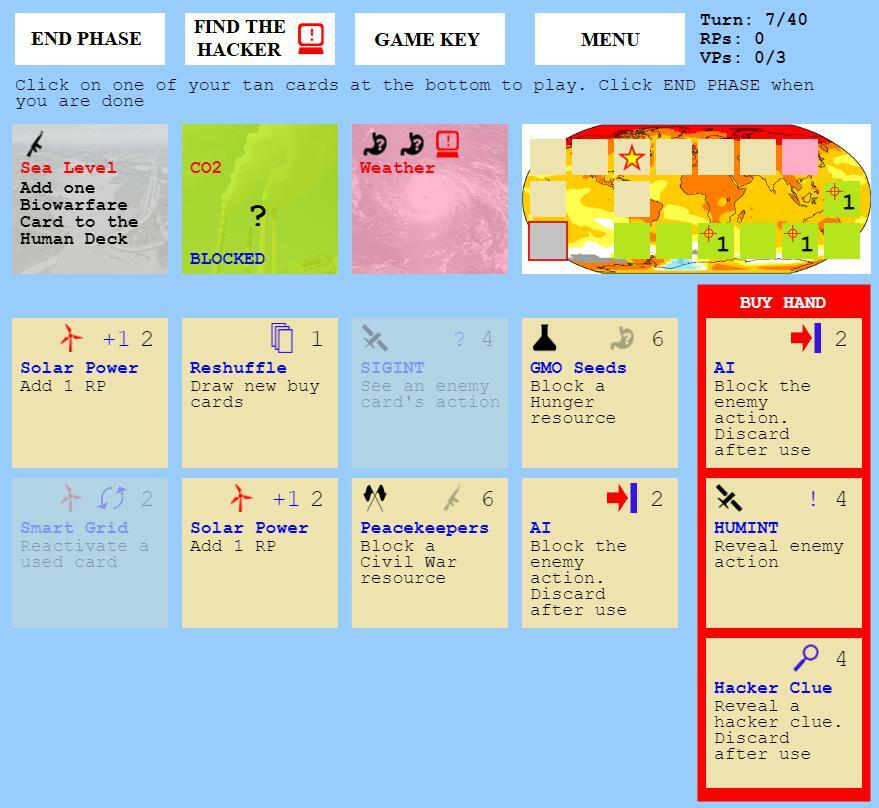
Navigate managing the African Union Collapse in Solarpunk. Focus on resource management, consolidating territories, and rebuilding infrastructure amid chaos.
The African Union Collapse in Solarpunk™ presents a scenario of profound instability and emergent challenges, forcing players to navigate a fractured continent grappling with widespread resource scarcity and internal conflict. Leading this faction requires a focus on immediate survival and the gradual rebuilding of order amidst chaos. The initial stages of gameplay will likely involve securing basic necessities for a scattered population, such as clean water and food, often through scavenging or desperate trade. contend with numerous localized warlords and rogue elements vying for control of dwindling resources. A key strategic consideration is the fragmented nature of the African Union's starting territory, which may be spread across multiple, disconnected regions, each with its own unique challenges and opportunities. Establishing reliable communication and transportation links between these disparate zones will be a significant undertaking. The military aspect of managing this collapse will likely involve small, highly mobile units focused on defensive skirmishes and rapid responses to immediate threats, rather than large-scale offensive operations. Players must learn to leverage the terrain and employ guerrilla tactics effectively to conserve their limited manpower and resources.
The technological path for the African Union Collapse will be one of adaptation and necessity. Players will likely focus on technologies that enhance resource efficiency, improve basic infrastructure, and provide rudimentary defensive capabilities. Researching 'Water Purification Systems' or 'Sustainable Agriculture' will be paramount for sustaining the population. Advancements in 'Makeshift Fortifications' or 'Scavenged Weaponry' can help to level the playing field against more organized threats. The 'Resource Reclamation' research will be vital for extracting value from the remnants of pre-collapse infrastructure. Politically, the challenge lies in consolidating power and fostering a sense of unity among disparate groups. make difficult decisions about resource allocation, appease local leaders, and quell internal dissent to prevent further fragmentation. Diplomatic engagement will likely involve seeking aid from external powers, forming uneasy alliances with neighboring factions, or engaging in opportunistic raiding to acquire necessary resources. Victory conditions for this scenario are often focused on achieving a stable, unified state, securing control over key resource hubs, or successfully defending against overwhelming external threats. Mastering the art of survival, resourcefulness, and opportunistic play is essential for navigating the complexities of the African Union Collapse.
Consolidating Scattered Territories
The initial phase of managing the African Union Collapse is defined by the urgent need to consolidate scattered territories and establish a semblance of central control. Players will find their starting positions fragmented, with pockets of population and resources spread across a vast and often hostile landscape. The first priority must be to secure these isolated settlements and establish basic communication and supply lines. This might involve sending out 'Scout Teams' to map the surrounding areas and identify immediate threats, such as 'Rogue Militias' or 'Resource Raiders'. Researching 'Basic Communication Arrays' can help to re-establish contact between settlements, while investing in 'Automated Transport Drones' can facilitate the movement of essential goods and personnel. A common strategic error is to attempt to expand too aggressively before securing existing territories, leaving them vulnerable to being cut off or overrun. focus on building 'Defensive Outposts' and training 'Local Militias' to protect their core holdings. The 'Reconciliation Efforts' research can be crucial for bringing disparate local leaders under a unified banner, fostering cooperation rather than competition. Successfully linking and defending these scattered territories is the foundational step towards rebuilding the African Union.
Resource Management in a Post-Collapse World
In the aftermath of the African Union Collapse, resource management becomes a critical exercise in survival and strategic prioritization. Players will face extreme scarcity of essential resources like 'Clean Water', 'Food Rations', and 'Scrap Metal'. The primary method of acquisition will be through 'Scavenging Operations', sending out specialized teams to explore derelict cities and abandoned industrial complexes for usable materials. A common pitfall is to deplete scavenging sites too quickly without a sustainable alternative, leading to a rapid decline in resource availability. Players must invest in 'Resource Reclamation' technologies to maximize the yield from salvaged materials. Researching 'Water Purification' and 'Subsistence Farming' is vital for ensuring the population's basic needs are met, preventing widespread famine and disease. The 'Makeshift Shelter' construction provides rudimentary housing, but prioritize upgrades to 'Basic Habitation Domes' as resources allow. The constant struggle for resources often forces difficult choices, such as diverting manpower from defense to scavenging, or vice versa. Players must carefully balance immediate survival needs with the long-term goal of rebuilding a functional economy.
Dealing with Warlords and Rogue Elements
The fragmented political landscape of the African Union Collapse is dominated by numerous warlords and rogue elements who exert control over their immediate territories through force. Players must develop a strategy for dealing with these localized threats, which can range from opportunistic raiders to organized militias. Direct confrontation with heavily armed warlords is often ill-advised due to limited resources. Instead, players may need to employ 'Guerrilla Tactics', utilizing small, mobile units to harass enemy supply lines and conduct hit-and-run attacks. Researching 'Improvised Explosives' and 'Stealth Technology' can enhance these capabilities. A common strategic error is to underestimate the threat posed by these factions, allowing them to grow in power and consolidate their control. Players may need to engage in diplomacy, offering resources or forming temporary alliances to neutralize immediate threats, but these alliances are often fragile and can quickly dissolve. The 'Reconciliation Efforts' research can be vital for integrating some of these elements into a larger, unified structure, while 'Counter-Insurgency Operations' might be necessary to deal with particularly aggressive factions. Ultimately, managing these internal conflicts is crucial for preventing further fragmentation and establishing a stable foundation for rebuilding.
Rebuilding Infrastructure and Fostering Unity
The long-term success of managing the African Union Collapse hinges on the ability to rebuild essential infrastructure and foster a sense of unity among a fractured populace. identify key pre-collapse infrastructure, such as 'Hydroelectric Dams' or 'Automated Factories', and invest heavily in their repair and reactivation. This process is often resource-intensive and requires a steady supply of 'Scrap Metal' and 'Skilled Labor'. A common pitfall is to neglect the human element; rebuilding infrastructure without addressing the needs and concerns of the population can lead to continued unrest. Investing in 'Public Services' and 'Educational Institutions' can help to improve morale and foster a sense of shared purpose. Researching 'Community Governance' can provide players with tools to manage diverse local interests and build consensus. Diplomatic efforts will also be crucial, not only with external powers but also with neighboring factions within the continent. Forming strategic alliances and establishing trade routes, even if rudimentary, can provide much-needed resources and support. The ultimate goal is to transition from a state of mere survival to one of sustainable growth and stability, laying the groundwork for a revitalized African Union.
100% Human-Written. AI Fact-Checked. Community Verified. Learn how AntMag verifies content