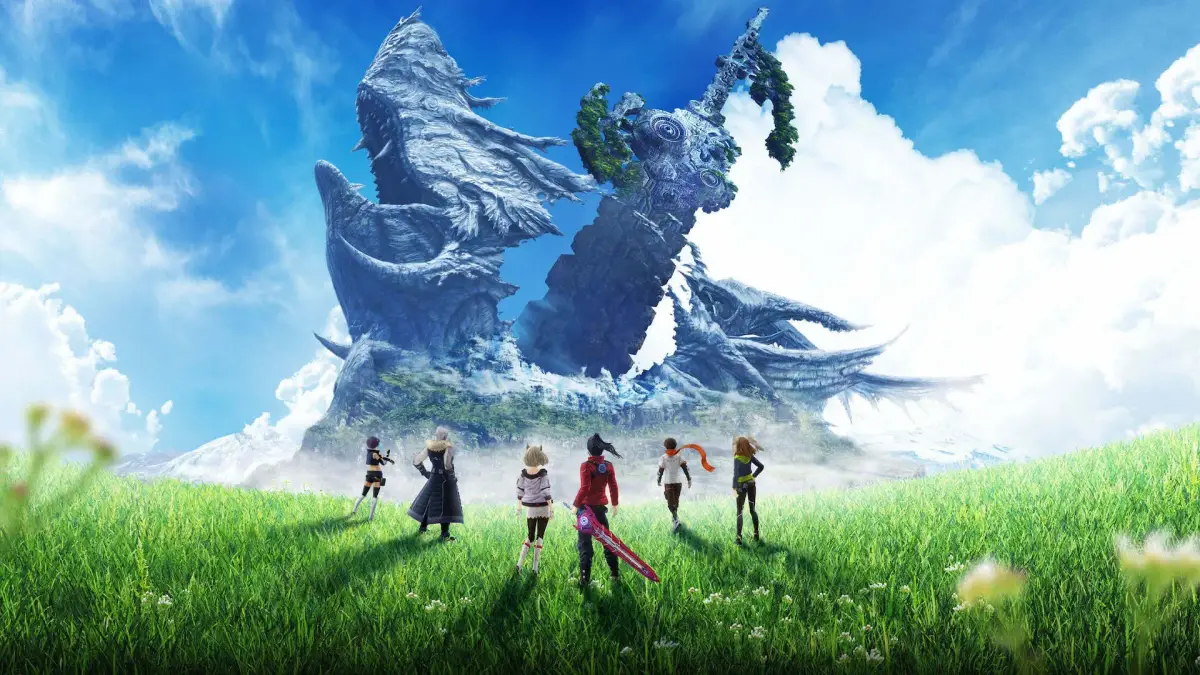
Learn to tailor your gameplay experience in Xenoblade Chronicles 3 by adjusting its robust Options menu settings for analytics and reporting.
Understanding and Managing Game Settings in Xenoblade Chronicles 3
While Xenoblade Chronicles 3 does not feature a dedicated "Manage Consent Preferences" menu for granular control over data usage, gameplay analytics, or error reporting in the way some online-focused games do, players still have significant control over their gameplay experience through the game's robust Options menu. This section will guide you through the various settings available, allowing you to tailor your journey through Aionios for optimal comfort, performance, and accessibility.
Accessing the Game Options Menu
All primary game settings are consolidated within the main Options menu. Follow these steps to access them:
- Pause the Game: Press the
+button on your Nintendo Switch controller at any time during gameplay to open the Main Menu. - Navigate to System: From the Main Menu, use the
LorRshoulder buttons to cycle through the tabs until you reach the "System" tab. - Select Options: Within the System tab, choose the "Options" entry. This will open the comprehensive game settings menu.
Once in the Options menu, you'll find several categories designed to help you customize your experience. There is no separate "Manage Consent Preferences" sub-menu; all relevant settings are found directly within these categories.
Key Game Settings and Customization Options
The Options menu is divided into several intuitive categories. Here’s a breakdown of the most relevant sections for tailoring your gameplay experience:
1. Game Settings
This section primarily deals with core gameplay mechanics and how information is displayed during your adventure.
- Camera Settings:
- Camera Speed (Horizontal/Vertical): Adjusts how quickly the camera rotates when controlled by the right analog stick. Find a speed that feels natural for exploration and combat.
- Camera Distance: Controls how far the camera is from your character. A wider view can be beneficial for situational awareness in combat, while a closer view enhances immersion.
- Invert Camera (Horizontal/Vertical): Toggles inverted camera controls, a preference for many veteran RPG players.
- Battle Settings:
- Target Lock-On: Determines how target lock-on works. Options typically include manual (press R3), automatic, or a hybrid. Experiment to find what suits your combat style.
- Battle Camera: Adjusts how the camera behaves during combat, such as automatic zooming or focusing on specific targets.
- Auto-Battle: Toggles the auto-battle feature, which can be useful for grinding or when you need a brief break. Note that this is distinct from the "Easy" difficulty setting.
- HUD Display:
- Minimap Display: Toggles the visibility of the minimap. Highly recommended to keep enabled for navigation.
- Damage Numbers: Shows or hides damage numbers during combat. Hiding them can reduce visual clutter for some players.
- Tutorial Display: Controls whether in-game tutorials reappear. If you're a veteran or on a second playthrough, you might want to disable this.
2. Audio Settings
Control the various sound elements of the game to create your ideal auditory experience.
- Master Volume: Adjusts the overall game volume.
- BGM Volume: Controls the volume of the background music. Lowering this can help you focus on dialogue or sound effects.
- SFX Volume: Adjusts the volume of sound effects, such as combat actions, environmental noises, and menu sounds.
- Voice Volume: Controls the volume of character dialogue. Essential for following the story and character interactions.
- Voice Language: Allows you to switch between English and Japanese voice acting. This is a significant preference for many players and can be changed at any time.
3. Display Settings
These settings affect the visual presentation of the game.
- Brightness: Adjusts the overall screen brightness. Useful for different lighting conditions or display types.
- Contrast: Modifies the difference between light and dark areas on screen.
- Motion Blur: Toggles motion blur effects. Some players prefer to disable this for a sharper image, especially during fast camera movements.
- Screen Shake: Controls the intensity of screen shake effects during powerful attacks or explosions. Disabling or reducing this can be beneficial for players sensitive to motion.
4. Accessibility Settings
While Xenoblade Chronicles 3 doesn't have an extensive dedicated accessibility menu like some modern titles, certain options within the general settings can significantly improve the experience for various players.
- Subtitle Display: Always keep subtitles enabled for dialogue. This is crucial for following the story, understanding character names, and catching nuances, especially with the option for Japanese voice acting.
- Text Size: While not a direct option in all versions, some updates or system-level settings might influence text size. If available, increasing text size can greatly aid readability.
- Color Blind Modes: Xenoblade Chronicles 3 does not feature specific color blind modes. However, adjusting brightness and contrast in the Display Settings can sometimes help.
- Controller Remapping: Unfortunately, Xenoblade Chronicles 3 does not offer in-game button remapping. However, the Nintendo Switch system itself allows for controller button remapping, which can be accessed via the Switch's HOME Menu -> System Settings -> Controllers and Sensors -> Change Button Mapping. This is a powerful tool for players with specific needs or preferences.
Data Usage and Error Reporting (System-Level Information)
As noted, Xenoblade Chronicles 3 does not have in-game options for "Manage Consent Preferences" related to data usage or error reporting. These functions are typically handled at the Nintendo Switch system level or are part of the game's default operational parameters as agreed upon in the End User License Agreement (EULA) when you first launch the game.
- Gameplay Analytics: Nintendo and Monolith Soft may collect anonymous gameplay data to improve game balance, identify popular features, and track overall player progression. This is standard practice in game development and is generally covered by the Nintendo Switch's overall privacy policy and the game's EULA. There are no in-game toggles for this.
- Error Reporting: If Xenoblade Chronicles 3 crashes, the Nintendo Switch system may prompt you to send an error report to Nintendo. This is a system-level function, not an in-game one. It's generally recommended to send these reports as they help developers identify and fix critical bugs, improving stability for all players. You can manage your overall data sharing settings for your Nintendo Switch console via the System Settings on the HOME Menu.
Conclusion
By thoroughly exploring the Options menu within the "System" tab, you can significantly customize your Xenoblade Chronicles 3 experience. While it lacks a dedicated "Consent Preferences" section, the available settings for camera, audio, display, and accessibility-related features provide ample opportunity to fine-tune the game to your personal preferences. Regularly checking these settings, especially after major updates, can ensure your journey through Aionios remains as enjoyable and comfortable as possible.
100% Human-Written. AI Fact-Checked. Community Verified. Learn how AntMag verifies content