
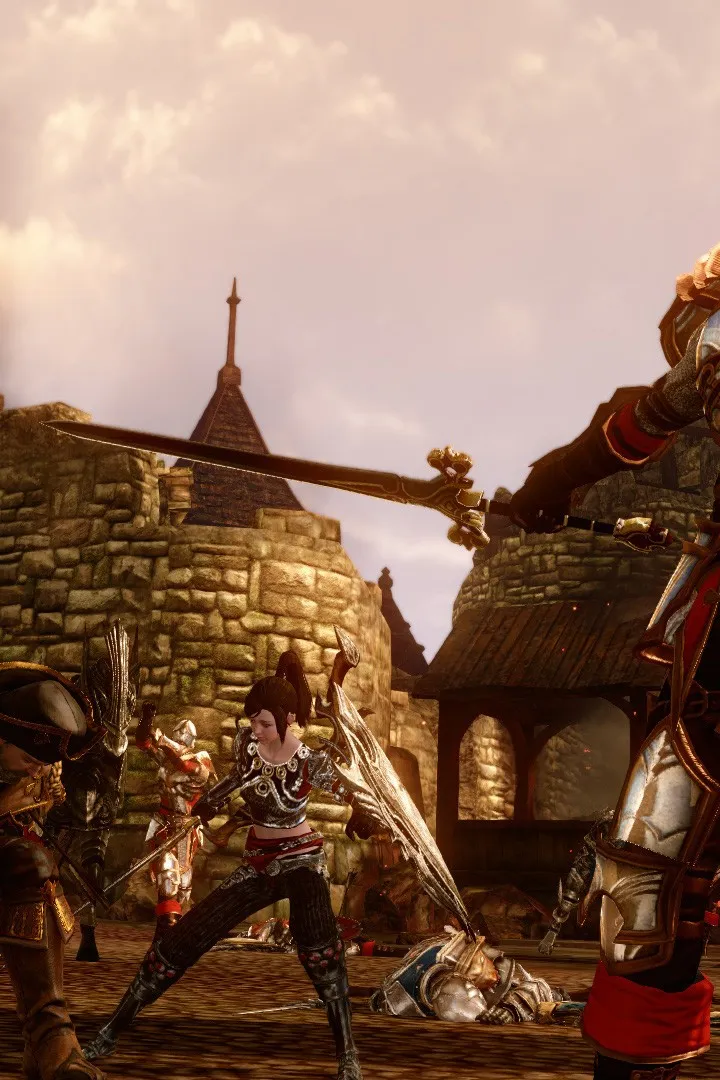
Understand ArcheAge Chronicles' unique progression, skill synergies like Battlerage and Sorcery, and its player-focused economy for success.
ArcheAge Chronicles, while sharing a lineage with its predecessors, introduces unique mechanics and a distinct approach to player progression that sets it apart. Understanding the core differences and the specific features of ArcheAge Chronicles is essential for any player looking to maximize their efficiency and avoid common pitfalls. This guide aims to clarify the foundational elements of the game, particularly focusing on aspects that may differ from other iterations of ArcheAge, ensuring that your initial decisions regarding character creation, skill development, and economic pursuits are informed and strategic. By grasping these core concepts, you can lay a solid groundwork for achieving wealth, dominance in PvP, and long-term viability within the game's expansive world.
The "Unchained" aspect of ArcheAge Chronicles often refers to a business model or a specific set of gameplay features that aim to provide a more accessible or streamlined experience compared to earlier versions. This can involve changes to monetization, progression systems, or the availability of certain content. For players investing significant time into ArcheAge Chronicles, understanding these distinctions is not just about convenience; it's about strategic advantage. Knowing how the game handles its economy, how skills are acquired and combined, and what limitations or freedoms are present will directly influence your ability to outmaneuver opponents, build a formidable fortune, and secure your place in the endgame. This section will illuminate these key differences, providing actionable insights to help you navigate the game effectively from the very beginning.
Core Progression and Skill System
ArcheAge Chronicles features a unique skill system where players choose from several skill trees, and can combine multiple trees to create a custom class. For example, a player might combine the "Battlerage" skill tree with the "Sorcery" and "Vitalism" trees to create a powerful hybrid class capable of both dealing damage and healing. The game allows players to switch between these active skill sets, offering immense tactical flexibility in combat. This system encourages experimentation and allows players to adapt their playstyle to different situations, whether it's for PvE grinding, PvP encounters, or supporting their guild in large-scale conflicts. The ability to respecialize skill trees is often available, though it may come with a cost, emphasizing the importance of thoughtful initial choices and strategic adaptation.
The progression in ArcheAge Chronicles is also tied to a combination of character leveling and gear acquisition. While leveling up grants access to new skills and abilities, the true power of a character often comes from their equipment. You can craft, trade, or loot powerful weapons and armor, each with unique stats and potential enchantments. The game's economy plays a significant role here, as acquiring top-tier gear can be a substantial undertaking, requiring significant in-game currency or rare materials. Understanding the crafting professions, such as "Weaponsmithing" or "Armorsmithing," and their associated resource requirements is crucial for those aiming to equip themselves or profit from selling crafted items. The interplay between character skills, gear, and the game's economy forms the bedrock of player power and progression.
Economic and Monetization Model
The "Unchained" model in ArcheAge Chronicles typically aims to reduce or eliminate certain pay-to-win elements that may have been present in previous iterations. This often means that while cosmetic items or convenience services might be available for purchase, core gameplay progression, such as acquiring powerful gear or essential crafting materials, is primarily driven by in-game activities and player-to-player trade. This approach fosters a more balanced environment where skill and dedication are the primary determinants of success, rather than the depth of a player's wallet. Understanding this economic model is vital for wealth-building strategies, as it highlights the importance of efficient resource management, smart trading, and participation in the in-game economy.
You can engage in various economic activities, including farming, fishing, crafting, trading goods across continents, and even piracy. The trade system, for example, involves acquiring trade packs from one location and delivering them to another for profit. This process can be risky, as trade packs are vulnerable to theft by other players, especially on PvP servers. The value of trade packs can fluctuate based on supply and demand, encouraging players to monitor market trends and identify lucrative routes. Furthermore, the game features a complex crafting system where various professions, such as "Alchemy" or "Cooking," require specific ingredients and recipes. Mastering these professions can lead to significant profits by producing high-demand items, potions, or food buffs that enhance player performance in combat or other activities. The success of your economic endeavors will heavily rely on your understanding of these systems and your ability to leverage them to your advantage.
100% Human-Written. AI Fact-Checked. Community Verified. Learn how AntMag verifies content