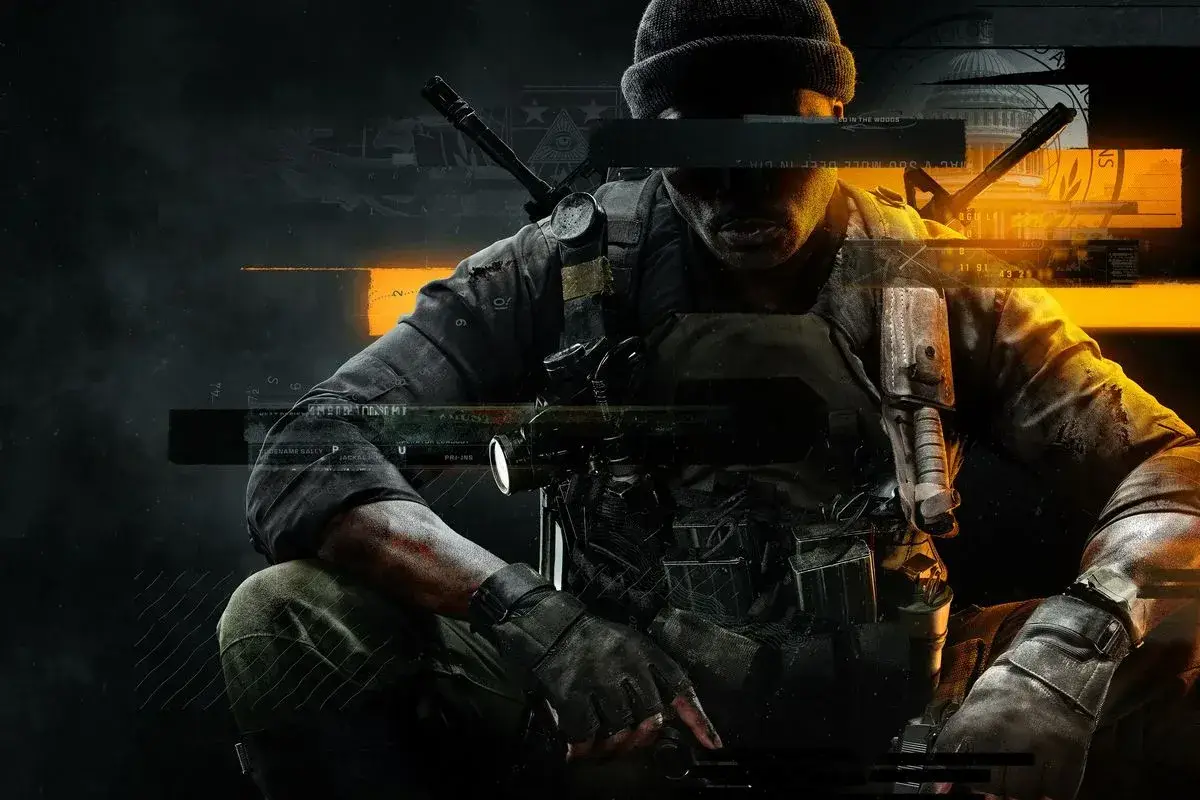
Learn all about the Panzerfaust in Call of Duty: Black Ops 6! Discover its history, stats, and how this powerful anti-tank weapon changed warfare.
Alright, let's talk about the Panzerfaust in Call of Duty: Black Ops 6. This thing is a beast, a real game-changer when it comes to taking down vehicles. The name itself, "Armored Fist," tells you everything you need to know – it's designed to punch through tank armor like it's nothing. Just a heads-up, though: while it's amazing against tanks, it's not really your go-to for clearing out infantry. Stick to the big stuff with this one.
Each Panzerfaust is a one-shot deal, but man, one shot is usually all you need to turn even the biggest tanks into a pile of smoking scrap metal in seconds. Pretty wild, right?
Panzerfaust Stats
- Range: Short
- Rate of Fire: One Shot
- Damage: Very High
- Mobility: Slow
A Little History Lesson
So, this weapon actually started out with a couple of different names, like Faustpatrone gross or Faustpatrone 2. But honestly, the name Panzerfaust, which just means "Tank-Fist," really stuck because it's so descriptive. The folks working on it, like Dr. Langweiler's team, were looking to improve on earlier versions. They beefed up the warhead, doubling the explosives to pack a serious punch and increase penetration. They even made the stabilizing fins bigger to handle the new warhead.
The specs on this thing are pretty impressive for its time. The tube itself was about 4.4cm wide, with the propellant weighing around 95g. The projectile was nearly 50cm long and weighed almost 3kg. It launched at about 30 meters per second, giving it a range of roughly 30 meters. The whole weapon tipped the scales at over 5kg and was just over a meter long. These bad boys were usually shipped out in wooden crates, with four complete weapons packed inside.
Production really ramped up in 1943, with tens of thousands being made. By August 1944, they were already moving on to the next version, the Panzerfaust 60. The German army started getting significant deliveries of these in late 1943, so you can imagine how much of an impact they had on the battlefield.
100% Human-Written. AI Fact-Checked. Community Verified. Learn how AntMag verifies content