
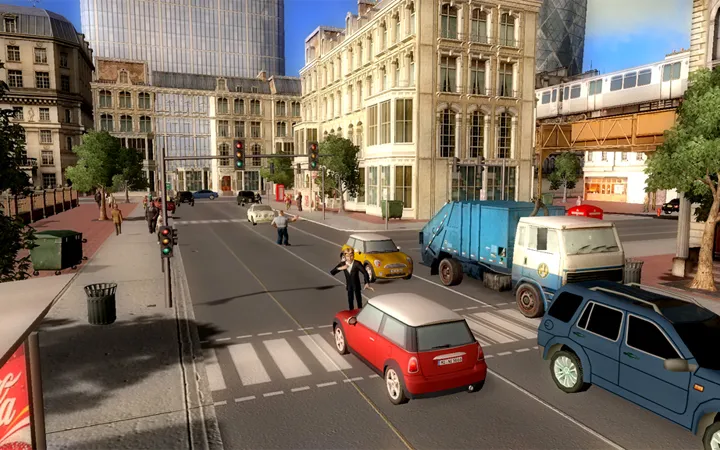
Balance citizen needs for happiness with city growth in Cities XL. Learn strategies to expand your metropolis while keeping your population satisfied.
Welcome, Mayors, to the delicate art of balancing citizen needs with the relentless drive for city growth in Cities XL. As your city expands, so do the demands of its inhabitants. This section will equip you with strategies to keep your citizens happy while simultaneously pushing the boundaries of your urban development.
Understanding Citizen Needs
Citizens in Cities XL have several needs that must be met for them to thrive and for your city to prosper. These include:
- Housing: Adequate residential zones to accommodate your population.
- Employment: Sufficient commercial and industrial jobs to prevent unemployment.
- Services: Access to essential services like healthcare, education, police, and fire protection.
- Leisure and Culture: Parks, entertainment venues, and cultural facilities contribute to happiness.
- Environment: Clean air and low pollution levels are crucial, especially for residential areas.
- Transportation: Efficient public and private transport options to reduce commute times and congestion.
The Growth-Needs Dilemma
The core challenge lies in that rapid growth often strains existing services and infrastructure. Building new residential zones might outpace your ability to provide jobs or services, leading to dissatisfaction. Similarly, expanding industrial zones to boost the economy can increase pollution, negatively impacting residential areas.
Strategies for Balanced Growth
- Phased Development: Avoid overwhelming your city with too much growth at once. Expand residential zones incrementally, ensuring you can simultaneously provide the necessary jobs and services.
- Service Prioritization: Identify the most critical services for your current population size and ensure they are adequately funded and accessible. As your city grows, gradually introduce and upgrade services.
- Smart Zoning: Place commercial and industrial zones strategically. Commercial zones should be accessible to residential areas, while industrial zones should be located downwind and away from homes, but still connected by efficient transport links.
- Investing in Education: Higher education levels unlock more advanced industries and services, which in turn can support a larger and happier population.
- Public Transportation: Implement robust public transportation networks (buses, metro, trains) early on. This reduces reliance on cars, alleviates traffic congestion, and makes your city more livable.
- Monitoring Happiness Indicators: Regularly check the citizen happiness indicators. A dip in happiness is a warning s that a particular need is not being met. Investigate the cause and address it promptly.
- Environmental Management: Proactively manage pollution. Invest in green technologies, place polluting industries far from residential zones, and ensure adequate waste management.
The Role of the Budget
Maintaining a healthy budget is paramount. While investing in services and infrastructure is crucial for citizen needs, overspending can lead to bankruptcy. Balance your expenditures with tax revenues and income from industries and trade. Sometimes, a slight increase in taxes might be necessary to fund vital services, but be mindful of the impact on citizen happiness.
Long-Term Vision
Think of your city as a living organism. Growth is essential, but it must be sustainable and healthy. By consistently monitoring your citizens' needs and carefully planning your expansion, you can build a thriving metropolis that is both prosperous and a desirable place to live.
100% Human-Written. AI Fact-Checked. Community Verified. Learn how AntMag verifies content