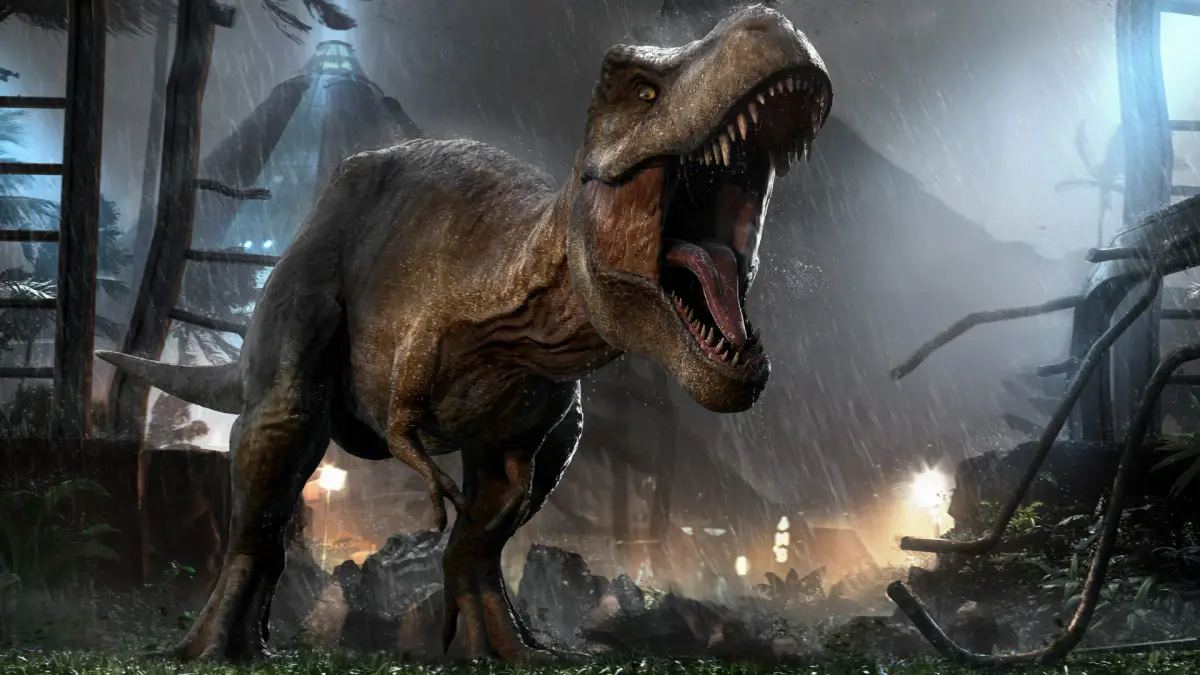
Learn how to keep your dinosaurs happy and healthy, manage their needs, and maximize your park's profits in Jurassic World Evolution with these essential tips and tricks.
Hey there, future park manager! So you've jumped into Jurassic World Evolution and are ready to build the ultimate dinosaur park. It can be a bit overwhelming at first, but don't worry, I've got your back. This guide is packed with tips to help you keep your prehistoric pals happy and your park booming with visitors and cash.
Keeping Your Dinos Happy is Key
This is probably the most crucial, and sometimes tricky, part of the game. A happy dinosaur is a good dinosaur. When they're not comfortable, they tend to get… well, a bit wild. The most common issue is them trying to break out of their enclosures. You can build stronger fences, like electric ones, or even add a second layer of fencing for extra security. Tranquilizing them is also an option if they're making a break for it. But honestly, the best way to avoid all that drama is to make sure they're comfortable in the first place. And how do you do that? It all comes down to understanding each dinosaur's specific needs.
Understanding Dinosaur Needs:
- Health: A dinosaur's health can drop if they fight each other, if they get sick and aren't treated, or if they simply don't have enough food or water. Panicked dinosaurs, especially those trying to escape, also won't eat or drink. While you can call in a Ranger team to heal or medicate them, if they're not comfortable, you might need to relocate them to a better environment.
- Food: This one seems obvious, right? Dinosaurs need to eat. But here's the catch: different species have different dietary requirements. Some might eat specific plants, others need live prey. The best approach is to add a variety of food sources within their enclosure to cater to everyone. Make sure to spread the feeders out too, so they don't get too crowded when they're trying to eat.
- Water: This is generally easier to manage. Just make sure there's a water source in the enclosure *before* you add any dinosaurs. You can create ponds using the landscaping tool, and it's pretty inexpensive. You don't need a massive lake, but having a few spread-out ponds can be a good idea.
- Comfort: This is like an overall score for the dinosaur's well-being, reflecting how happy they are based on all their other needs. Improving their health, food, water, and environmental preferences will directly boost this stat.
- Grassland Preference: If a dinosaur prefers grasslands, try to give them a larger, more open enclosure. Use the landscaping tool to clear out dense forests in their area.
- Forest Preference: The opposite of grassland! Pack the enclosure with plenty of dense forests for these dinos to feel at home.
- Population Needs: This stat tells you how many dinosaurs of *any* species the dinosaur is willing to tolerate in its enclosure. Some are social butterflies and don't mind a crowd, while others prefer to be loners or only with a few others.
- Social Needs: Similar to population, this refers to how many dinosaurs of the *same species* should be housed together. Some love big herds, while others are happier in smaller groups.
Making Bank in Your Park
Now, let's talk about the green stuff – money! A thriving park needs a healthy income, and here are a few ways to boost your earnings:
- Shops: These are a solid income source. The best part? You can adjust the prices! Keep an eye on them, though. Price them too high, and customers won't buy. Price them too low, and you're leaving cash on the table. Offer a good variety of shops – Gift Shops, Toy Stores, Restaurants, Fast Food – to appeal to everyone. Once your park is buzzing with visitors, these shops can bring in serious dough.
- Expeditions: While expeditions don't always bring in huge sums directly, they are essential for getting dinosaur DNA. The cost of launching a dig is usually covered by the valuable materials (like Silver or Platinum) you find. As you unlock more dig teams, this process becomes much more lucrative.
- Visitors: Remember, every single visitor pays an entrance fee! The more dinosaurs you have, and the more variety you offer, the more visitors you'll attract. To start, consider using a moderately sized enclosure with herbivores that have high population needs. This allows you to house a group of them together, drawing in more people without the constant threat of breakouts.
Keep these tips in mind, and you'll be well on your way to running a successful and happy dinosaur park!
100% Human-Written. AI Fact-Checked. Community Verified. Learn how AntMag verifies content