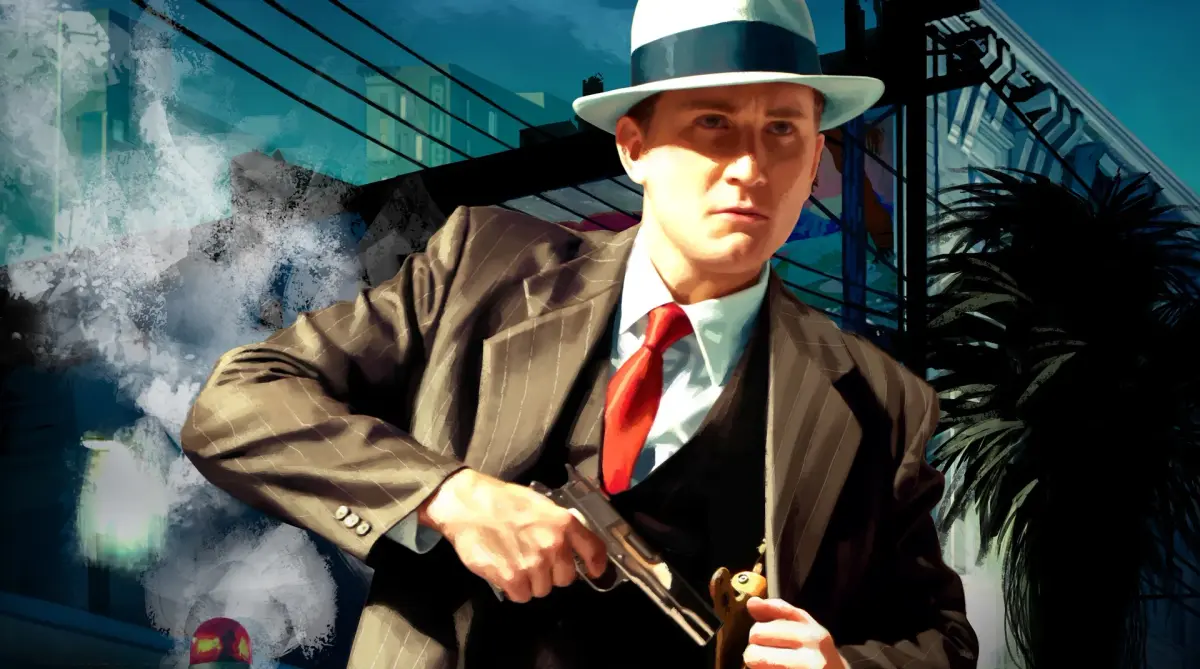
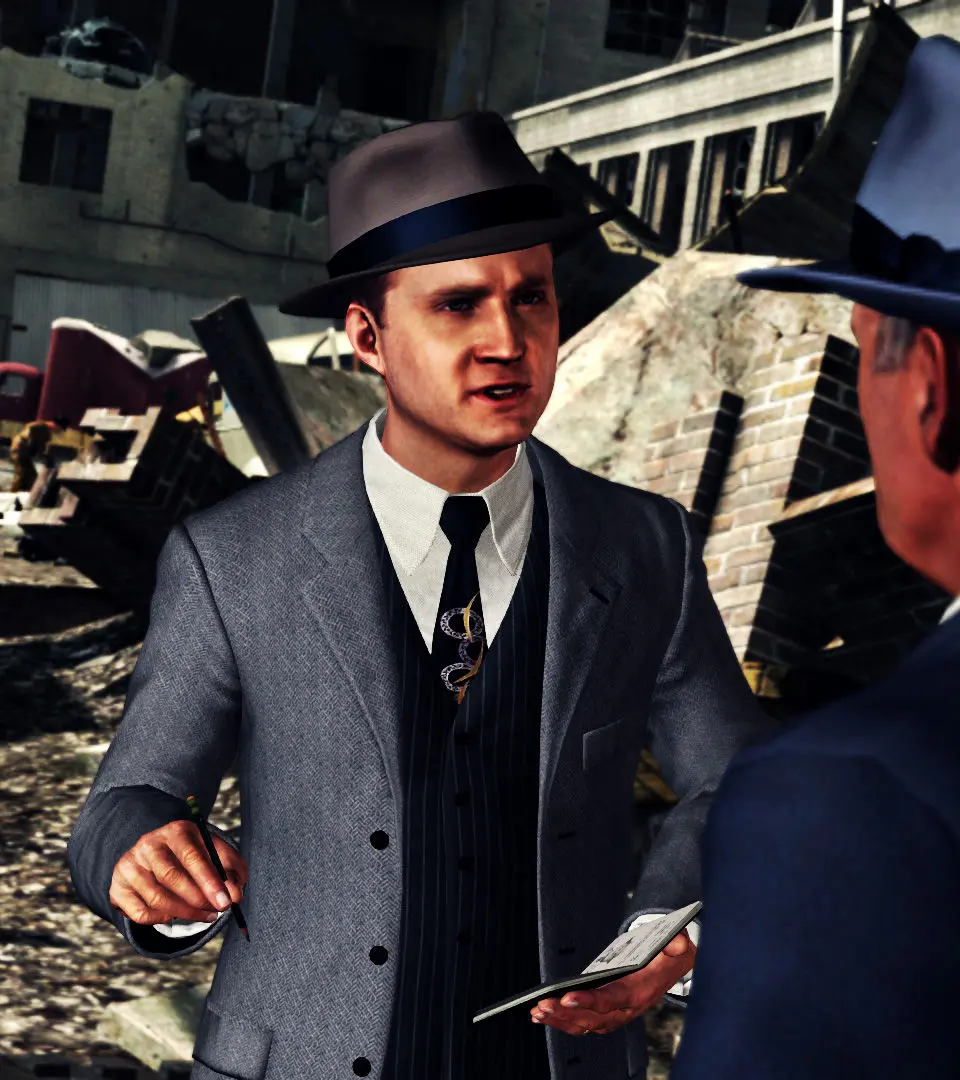
Meet the Key Supporting Characters in L.A. Noire. Understand their role in conspiracies, moral dilemmas, and the narrative alongside Cole Phelps.
Beyond the immediate partners Cole Phelps works alongside, L.A. Noire is populated by a rich and intricate cast of supporting characters. These individuals, ranging from allies and superiors to informants and outright antagonists, are crucial to the unfolding narrative, the moral dilemmas Phelps confronts, and the overarching conspiracy that grips 1940s Los Angeles. Understanding their roles, motivations, and connections is vital for appreciating the game's depth and navigating its complex web of deceit.
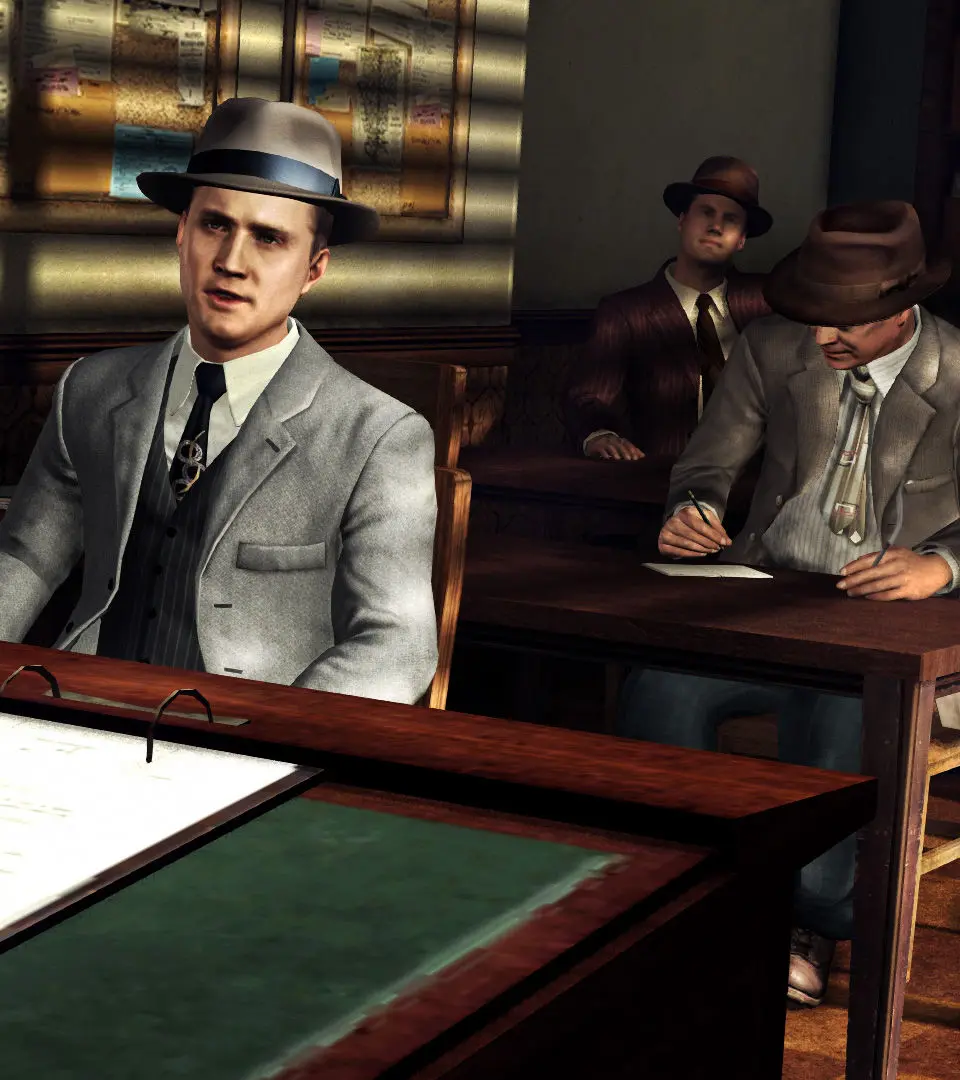
Superiors and Allies within the LAPD
Phelps's career progression means he interacts with a rotating cast of department heads and influential figures. These individuals often dictate his assignments, provide crucial context, or even obstruct his investigations.
- Captain James Donnelly: A gruff but ultimately honorable Homicide Captain, Donnelly is a consistent presence throughout Phelps's career. He respects Phelps's detective skills but is also a pragmatist, often caught between the demands of justice and the political pressures of the LAPD. He provides case briefings, offers occasional advice, and is a key figure in the overarching conspiracy, albeit often unwittingly. Pay close attention to his reactions during case debriefs; they can hint at departmental corruption or hidden agendas.
- Chief of Police William Worrell: The ultimate authority figure within the LAPD. Worrell represents the public face of law enforcement in Los Angeles. While not directly involved in most cases, his presence looms large, especially as the conspiracy involving powerful figures begins to unravel. He embodies the institutional pressures and potential for corruption at the highest levels.
- Captain Gordon Leary: Phelps's initial superior in the Traffic Desk. Leary is a by-the-book officer, less concerned with the nuances of justice and more with clearing cases efficiently. His interactions with Phelps highlight the early frustrations and bureaucratic hurdles of police work.
- Captain Lachlan: The head of the Vice Desk. Lachlan is a cynical and somewhat jaded officer, deeply entrenched in the grittier side of police work. He provides a stark contrast to Phelps's idealism and offers a glimpse into the moral compromises often made in the Vice squad.
Legal and Political Figures
The legal system and political landscape are inextricably linked to the cases Phelps investigates, often influencing outcomes and obscuring the truth.
- District Attorney Harlan Fontaine: A charismatic and ambitious politician, Fontaine is a major player in the city's power structure. He is deeply involved in the post-war development boom and has significant ties to many of the city's elite. His influence can be felt in many cases, particularly those involving prominent citizens. He represents the corrupting influence of power and ambition.
- Assistant District Attorney Richard Aronofsky: Fontaine's right-hand man. Aronofsky is a more direct point of contact for Phelps within the DA's office. He often provides legal guidance or expresses the DA's office's expectations for case outcomes. His character highlights the legal maneuvering and political considerations that often overshadow pure justice.
- Judge Henry Caldwell: A respected judge who presides over some of the trials stemming from Phelps's investigations. Caldwell represents the formal justice system, but even his court can be swayed by external pressures or political influence.
Criminals, Informants, and Persons of Interest
These characters are the lifeblood of Phelps's investigations, providing clues, red herrings, and often, the key to solving a case. Their motivations are varied, from self-preservation to genuine remorse.
- Mickey Cohen: A notorious real-life gangster who plays a significant, albeit often behind-the-scenes, role in the criminal underworld of Los Angeles. While Phelps doesn't directly interact with him frequently, Cohen's influence and criminal enterprises are often at the root of many cases, particularly those involving gambling, drugs, and organized crime. Understanding his presence helps contextualize the broader criminal landscape.
- Leland Monroe: A powerful and influential real estate developer, Monroe is a central figure in the overarching conspiracy. He represents the unchecked ambition and corruption within the city's business elite, using his wealth and connections to manipulate events and cover up his illicit activities. His involvement is gradually revealed throughout the game, culminating in the final acts.
- Courtney Sheldon: A former Marine and a key figure in the "Suburban Redevelopment Fund" plot. Sheldon is a tragic character, a victim of circumstance and manipulation. His story is central to understanding the motivations behind the larger conspiracy and the exploitation of returning servicemen.
- Dr. Harlan Stone: A psychiatrist who becomes involved in several cases, often providing psychological profiles or medical assessments. His expertise can be crucial, but always be wary of potential biases or hidden agendas, especially as the conspiracy deepens.
- Roy Earle's Informants: While not specific named characters, Roy Earle often relies on a network of unsavory informants. These individuals, typically found in seedy bars or back alleys, can provide crucial leads or corroborate information. However, their reliability is often questionable, and their information usually comes at a price. Always cross-reference their statements with other evidence.
- Various Witnesses and Suspects: Each case introduces a new cast of witnesses and suspects. Pay meticulous attention to their body language, dialogue, and any inconsistencies. Successfully interrogating these individuals is the core gameplay loop of L.A. Noire. Remember to use your intuition, but always back it up with concrete evidence.
The Broader Impact on Phelps
Each of these supporting characters, whether an ally or an adversary, contributes to Cole Phelps's journey and moral degradation. The pressures from superiors, the manipulations of political figures, and the grim realities of the criminal underworld all force Phelps to confront the darker side of justice and his own idealism. The game masterfully uses these characters to explore themes of corruption, ambition, and the blurred lines between right and wrong in post-war Los Angeles.
observe how Phelps's interactions with these individuals change. His initial idealism is gradually chipped away by the compromises and betrayals he witnesses, ultimately shaping his character arc and the tragic conclusion of his story. Understanding these dynamics enhances the narrative depth and emotional impact of L.A. Noire.
100% Human-Written. AI Fact-Checked. Community Verified. Learn how AntMag verifies content