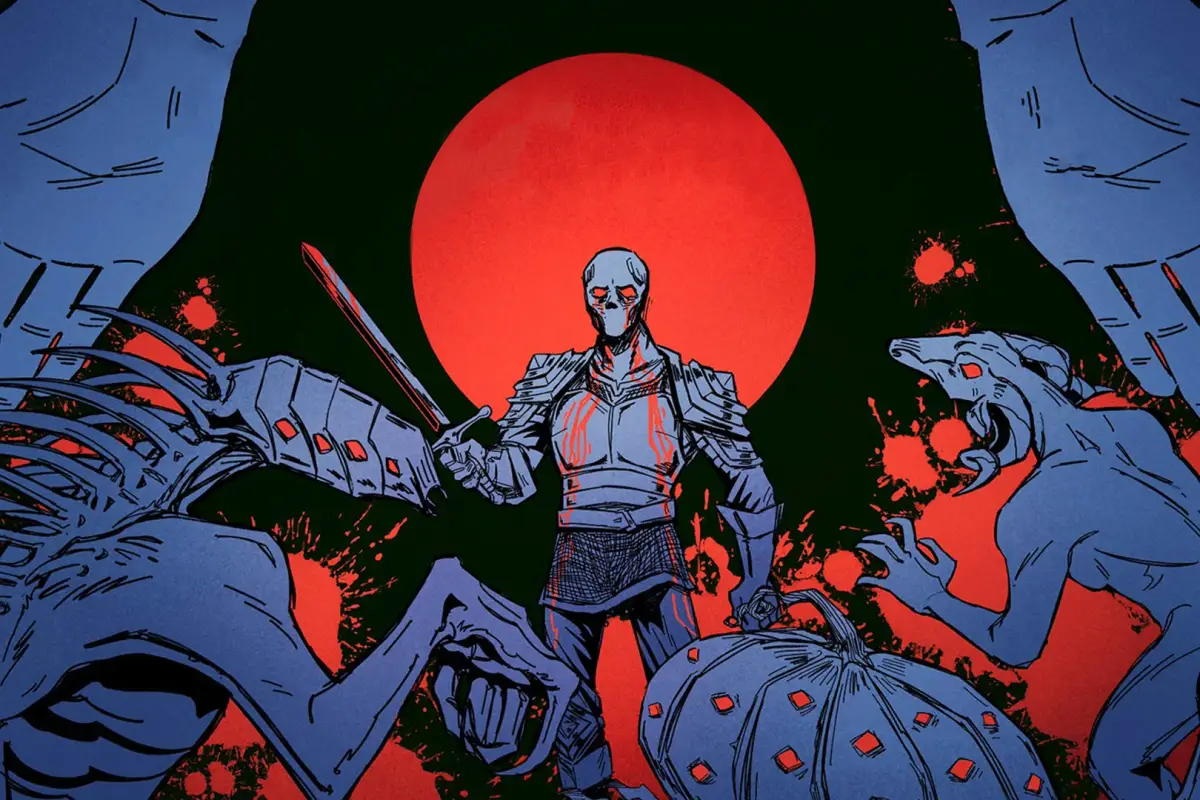
Upgrade your armor in Mortal Sin. Learn blacksmithing upgrades, enchanting, crafting new sets, and choosing the best gear for your build.
Upgrading your armor in Mortal Sin is essential for increasing your survivability and tackling tougher enemies. This process can involve enhancing existing pieces at a blacksmith, enchanting them with magical properties, or crafting entirely new, more powerful sets. Understanding the different methods of armor upgrading will ensure you're always well-protected on your adventures.
Fortify your defenses in Mortal Sin by mastering armor upgrades. This guide details how to enhance your existing armor pieces through blacksmithing, imbue them with magical effects via enchanting, and craft entirely new sets. Strategic armor upgrades are crucial for surviving challenging encounters and optimizing your character's resilience.
Methods of Armor Upgrading
- Blacksmith Upgrades:
- Process: Visit a blacksmith and provide them with specific crafting materials (e.g., metal ingots, leather scraps, reinforced plates) and gold.
- Effect: This typically increases the base armor rating of the piece, making it more effective at reducing physical damage. Some upgrades might also slightly improve durability or other base stats.
- Tiers: Armor can often be upgraded through multiple tiers (e.g., Iron Armor -> Masterwork Iron Armor -> Ornate Iron Armor).
- Enchanting:
- Process: Requires an enchanting table and specific magical components (e.g., runes, soul gems, magical essences).
- Effect: Enchanting imbues armor with magical properties, such as elemental resistances (fire, frost, lightning), stat bonuses (e.g., +Strength, +Intelligence), increased health regeneration, or even unique effects like spell cost reduction.
- Multiple Enchantments: Some high-level armor pieces might allow for multiple enchantments.
- Crafting New Armor Sets:
- Process: Requires learning specific crafting recipes and gathering a significant amount of materials, often including rare components.
- Effect: Crafted armor sets often provide superior base stats and unique set bonuses when multiple pieces of the same set are worn. These sets are typically designed for specific playstyles (e.g., heavy armor for tanks, light armor for rogues).
- Item Acquisition:
- Loot: Finding higher-tier armor pieces as loot from chests, bosses, or challenging enemies is a direct form of upgrading.
- Quest Rewards: Certain quests may offer powerful, pre-upgraded armor as a reward.
Key Materials for Upgrades
- Metals: Iron, Steel, Mithril, Adamantine (for blacksmithing).
- Leathers and Hides: Common Leather, Hardened Leather, Dragonhide (for blacksmithing and crafting).
- Gems and Runes: Various gems and runes for enchanting.
- Monster Parts: Specific parts from powerful creatures might be required for high-end crafting or enchanting.
Strategic Armor Upgrading
- Match Upgrades to Your Build: Prioritize upgrades that enhance your character's strengths or shore up weaknesses. A melee fighter might focus on physical defense and strength bonuses, while a mage would seek elemental resistances and intelligence boosts.
- Consider Resistances: If you're consistently facing enemies with a specific damage type (e.g., fire mages), prioritize armor that offers resistance to that element.
- Set Bonuses: If you're aiming for a specific crafted set, focus on acquiring all the pieces to benefit from their set bonuses.
- Don't Neglect Durability: Keep an eye on your armor's durability and repair it regularly at a blacksmith.
100% Human-Written. AI Fact-Checked. Community Verified. Learn how AntMag verifies content