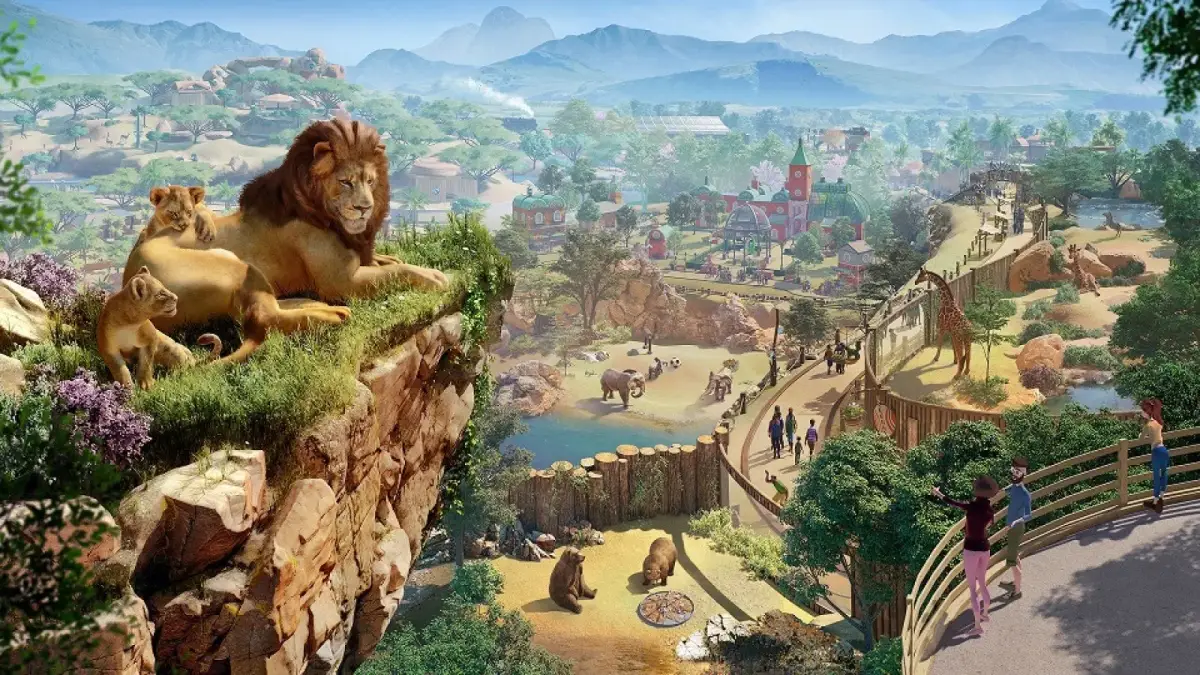
Master the Giant Panda 'boss' in Planet Zoo: large bamboo habitat, specific social needs, breeding challenges, high food costs, and extensive research.
Challenging Animal: The Giant Panda
The Giant Panda stands as one of Planet Zoo's most demanding and rewarding animals, earning its "boss" status not through aggression, but through its intricate welfare requirements, specific habitat needs, and a challenging breeding cycle. Successfully housing, breeding, and releasing Giant Pandas is a testament to a player's mastery of zoo management, offering significant conservation credits and a prestigious reputation boost.
Panda Welfare: The Path to Contentment
Achieving and maintaining 100% welfare for Giant Pandas is paramount, directly impacting their breeding potential and overall health. Neglecting any aspect will quickly lead to stress, illness, and a complete halt to reproduction.
Habitat Requirements: More Than Just Space
- Minimum Habitat Size: While the game provides a baseline, aim for significantly larger enclosures. A minimum of 1,200m² for a single panda and 1,800m² for a breeding pair is recommended to prevent overcrowding and stress, even if the game's indicator turns green earlier.
- Terrain: Pandas thrive in temperate biomes. Ensure a mix of grass, dirt, and rock. Avoid excessive mud or water, though a small, shallow water source for drinking is beneficial.
- Foliage: This is critical. Giant Pandas require a high density of specific plant types, primarily Bamboo.
- Bamboo Species: Focus on temperate bamboo varieties. Aim for at least 80% coverage of the habitat with bamboo.
- Climbing Structures: Pandas love to climb. Incorporate sturdy climbing trees, large rocks, and artificial climbing structures. Ensure these are accessible and offer multiple levels for exploration and resting.
- Shelter: Provide ample natural and artificial shelters. Caves, dense bamboo thickets, and man-made shelters are all vital for privacy and protection from weather.
- Temperature: Maintain a consistent temperate climate within their habitat using coolers and heaters as needed, especially during extreme seasons.
Social Structure: Solitude or a Special Pair
Unlike many social animals, Giant Pandas prefer a solitary existence outside of breeding. Housing multiple pandas together, beyond a breeding pair, will lead to significant stress and aggression.
- Single Panda: Ideal for initial housing and research.
- Breeding Pair: Introduce a male and female only when both are mature, have excellent genetics, and their habitat welfare is consistently at 100%. Monitor their compatibility closely.
- Cubs: Cubs will stay with their mother for a period before needing to be separated to prevent overcrowding and stress.
Enrichment: Stimulating Minds and Bodies
Pandas require a diverse range of enrichment items to stay happy and healthy. Many of these are locked behind research tiers.
- Food Enrichment:
- Forage Boxes: Essential for encouraging natural foraging behaviors.
- Puzzle Feeders: Provide mental stimulation and extend feeding times.
- Suspended Feeders: Mimic natural feeding from higher branches.
- Toy Enrichment:
- Scratching Posts: For claw maintenance and scent marking.
- Rolling Balls/Toys: Encourage play and exercise.
- Hammocks/Swings: Offer comfortable resting and climbing opportunities.
- Scent Enrichment: Regularly introduce new scents to keep their environment stimulating.
The Long Research Path
Unlocking the full potential of your Giant Panda exhibit requires a significant investment in research. Assigning a high-level researcher to the Giant Panda is crucial to expedite this process.
- Tier 1 Research: Focuses on basic habitat needs, initial enrichment items (e.g., simple forage boxes), and fundamental animal knowledge.
- Tier 2 Research: Unlocks more advanced enrichment items (e.g., puzzle feeders, climbing structures), deeper understanding of social dynamics, and disease prevention.
- Tier 3 Research: Essential for optimizing breeding success, unlocking the best enrichment, and gaining insights into specific genetic traits and conservation efforts. This tier is often where crucial breeding boosts are found.
- Veterinarian Research: Crucial for understanding and treating potential panda-specific illnesses and improving overall health.
- Mechanic Research: Important for unlocking advanced habitat barriers, temperature control systems, and improving staff facilities near the panda exhibit.
Dietary Challenges: The Bamboo Burden
Giant Pandas are almost exclusively herbivorous, with bamboo forming the vast majority of their diet. This presents unique logistical and financial challenges.
- Bamboo Consumption: Pandas consume enormous quantities of bamboo daily. Be prepared for high food costs.
- Bamboo Growth Rates: While you can plant bamboo in their habitat, it grows slowly. Relying solely on in-habitat growth is unsustainable for even a single panda.
- Food Storage: Invest in large, accessible food storage facilities near the panda exhibit to ensure keepers can quickly restock.
- Staffing: Assign dedicated, high-level keepers to the Giant Panda habitat. Their frequent visits are essential for cleaning, feeding, and monitoring welfare. Consider placing a staff room nearby to minimize travel time.
Breeding and Release: The Ultimate Achievement
The ultimate goal for many players is to successfully breed and release Giant Pandas into the wild, contributing to conservation and earning valuable Conservation Credits.
- Genetics: Prioritize pandas with excellent genetic diversity (high Immunity, Fertility, Longevity, and Size). Poor genetics will severely hinder breeding success and cub quality.
- Welfare: Consistent 100% welfare is non-negotiable for breeding. Any dips will delay or prevent conception.
- Age: Ensure both male and female pandas are within their prime breeding age range.
- Privacy: Minimize guest visibility during breeding periods. Consider one-way glass or elevated viewing platforms to reduce stress.
- Cub Care: Once a cub is born, monitor its welfare closely. Ensure the mother has ample food and privacy. Cubs will eventually need to be separated from their mother to prevent stress and allow for future breeding cycles.
- Release Strategy: Release pandas with good genetics to maximize Conservation Credit earnings and contribute meaningfully to the global population.
Common Pitfalls and Pro Tips
- Underestimating Costs: Pandas are incredibly expensive to maintain, from habitat construction to ongoing food and staff costs. Ensure a robust zoo economy before acquiring them.
- Ignoring Stress: Pandas are highly susceptible to stress. Monitor their stress levels constantly and address any issues immediately (e.g., too many guests, lack of privacy, insufficient enrichment).
- Inadequate Staffing: Don't skimp on keepers and vets for your panda exhibit. Their specialized care is vital.
- Patience is Key: Breeding pandas is not a quick process. It requires consistent effort, observation, and sometimes, a bit of luck.
- Utilize the Zoopedia: The in-game Zoopedia is an invaluable resource for specific habitat and welfare requirements. Consult it frequently.
- Conservation Trading: If struggling to find pandas with good genetics, explore the Animal Market's Conservation Credit section. Sometimes, investing in a high-quality panda can jumpstart your breeding program.
100% Human-Written. AI Fact-Checked. Community Verified. Learn how AntMag verifies content