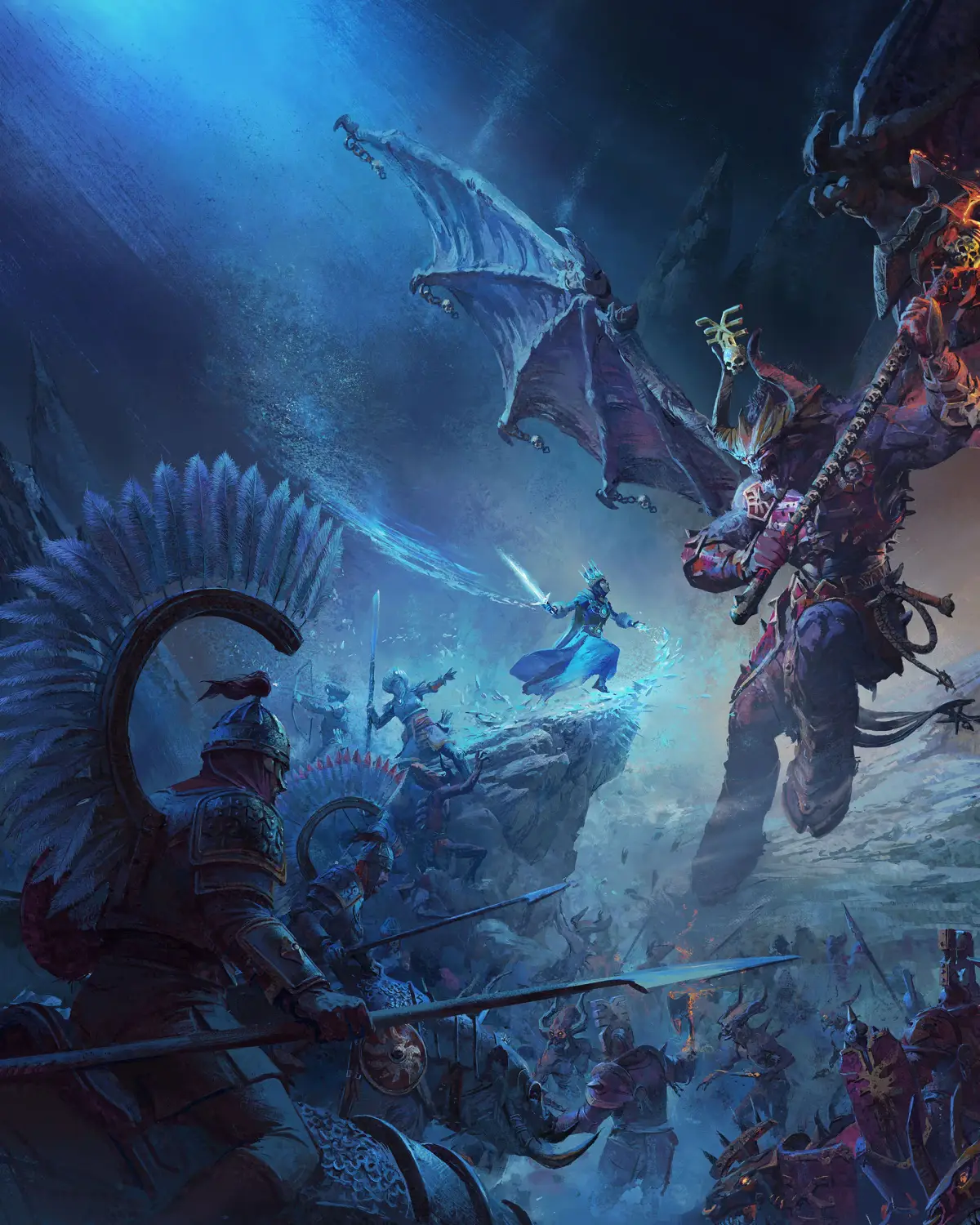

Understand the Corruption Types and Effects in Total War: Warhammer III. Manage Chaos Corruption and other forces to secure your settlements and armies.
Corruption is a pervasive force in Total War: Warhammer III, manifesting in various forms that can drastically alter the landscape and the effectiveness of your armies and settlements. Understanding each type of Corruption and its associated effects is crucial for strategic planning and survival.
The primary forms of Corruption are:
- Chaos Corruption: This is the most common and dangerous form, emanating from the Ruinous Powers. High levels of Chaos Corruption in a province will negatively impact public order, making your settlements more prone to rebellions. It also reduces the growth of your settlements and can inflict attrition on your armies, making them vulnerable to enemy attacks. Furthermore, Chaos Corruption can empower daemonic units and units aligned with the Chaos Gods, making them stronger in battle within corrupted territories.
- Nurgle Corruption: A specific manifestation of Chaos Corruption, Nurgle's blight brings disease and decay. It significantly reduces public order and inflicts severe attrition on all armies, regardless of their alment. Settlements within Nurgle-corrupted provinces suffer reduced income and growth.
- Tzeentch Corruption: This form of Corruption sows discord and manipulation. While it also reduces public order, its primary effect is on campaign movement. Armies within Tzeentch-corrupted provinces may experience reduced movement range or unpredictable teleportation events. It can also lead to unique dilemmas and events related to deception and prophecy.
- Slaanesh Corruption: Slaanesh's influence breeds decadence and obsession. It severely impacts public order, often leading to widespread unrest and rebellions. Armies within Slaanesh-corrupted provinces may suffer from reduced combat effectiveness due to infighting or distraction.
- Khorne Corruption: Khorne's rage fuels bloodshed. While it also impacts public order, its main effect is on combat. Armies within Khorne-corrupted provinces gain combat bonuses, particularly in melee, and may be more prone to aggressive actions.
- Undead Corruption: This Corruption is associated with Vampire Counts and Tomb Kings. It negatively impacts public order and can inflict attrition on non-undead armies. Undead units, however, gain significant combat bonuses within Undead-corrupted territories.
- Skaven Corruption: The insidious influence of the Skaven. It reduces public order and can lead to unique events like sudden Skaven ambushes or the discovery of underground tunnels. Skaven units are empowered in Skaven-corrupted provinces.
Managing Corruption is a constant challenge. You can combat it by building specific structures in your settlements, using hero abilities, and by conquering corrupted territories and cleansing them. Conversely, some factions can actively spread Corruption to weaken their enemies or empower their own forces.
100% Human-Written. AI Fact-Checked. Community Verified. Learn how AntMag verifies content