Master the Map & Fog of War in Diplomacy is Not an Option. Learn scouting, resource finding, and strategic positioning to gain an advantage.
Understanding and manipulating the map, especially in relation to the Fog of War, is paramount to your survival and success in Diplomacy is Not an Option. This section will guide you through effective exploration, resource scouting, and strategic positioning to gain an advantage over the relentless hordes.
Initial Map Scouting & Resource Identification
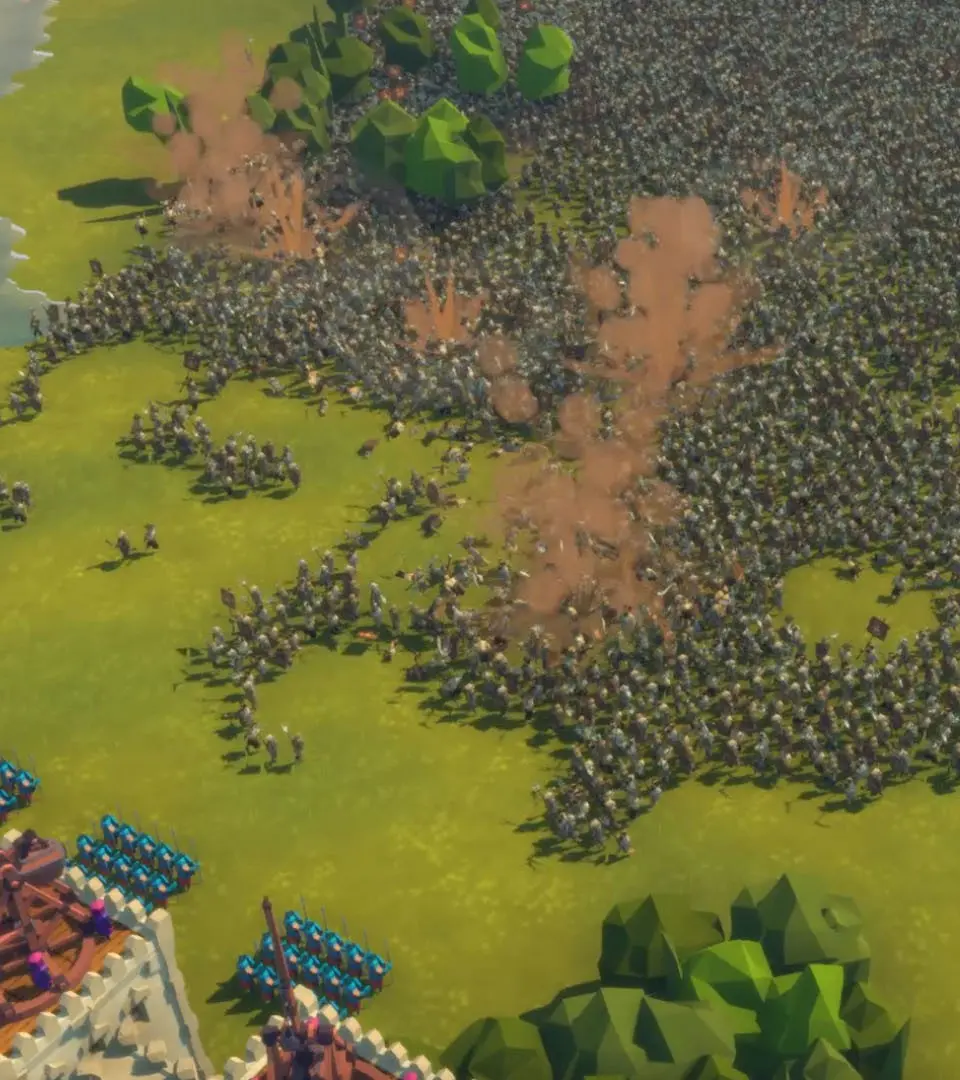
Upon starting any mission, your immediate priority should be to establish a clear understanding of your surroundings. The initial reveal of the map is often limited to your starting settlement and a small radius around it. The rest of the map is shrouded in the Fog of War, obscuring crucial information.
- Prioritize Resource Locations:
- Stone Deposits: Essential for early-game building construction and upgrades. Look for grey, jagged rock formations.
- Wooded Areas: Provides timber for basic structures and fuel. Identify dense green patches on the map.
- Iron Veins: Crucial for advanced weaponry and defenses. These appear as darker, metallic-looking rock formations, often requiring more advanced mining techniques.
- Food Sources: While not directly visible as a deposit, understanding the layout of fertile ground or areas suitable for farming is important for sustained population growth.
- Identify Chokepoints and Defensive Positions:
- Look for natural bottlenecks, narrow passages, or elevated terrain that can be fortified to funnel enemy attacks.
- Identify open plains or wide approaches that will require extensive defensive structures.
- Locate Potential Enemy Spawn Points: While not always immediately obvious, certain map features or mission objectives might hint at where enemy waves will originate. Pay attention to areas beyond your initial defenses.
Effective Fog of War Management
The Fog of War is your greatest enemy and your greatest opportunity. Mastering its management allows you to anticipate threats and exploit the environment.
Early Game Exploration Strategy
In the early stages, your exploration units are limited, making efficient use of them critical.
- Scout with Workers: While not ideal for combat, your initial Worker Units can be temporarily repurposed for quick, localized scouting runs. Send them in small groups to reveal nearby resource nodes. Be cautious, as they are vulnerable to early enemy patrols.
- Prioritize Watchtowers: As soon as resources allow, construct Watchtowers at strategic locations. These structures provide a significant line of sight bonus, permanently revealing areas of the map.
- Placement Tip: Place Watchtowers on high ground or at the edge of your current vision to maximize their effective range.
- Defensive Benefit: Watchtowers also provide a small defensive capability, making them useful for early warning systems.
- Utilize Ranger Units (if available): If your mission provides early access to Ranger Units, deploy them for deeper exploration. Their increased movement speed and ranged attacks make them more suitable for navigating dangerous territory.
Mid to Late Game Vision Control
As your settlement grows, so too should your efforts to control the Fog of War across the entire map.
- Expand Watchtower Network: Continue to build and upgrade Watchtowers to create a continuous line of sight around your perimeter. This is crucial for detecting incoming enemy waves early, allowing you ample time to prepare your defenses.
- Patrol Routes with Military Units: Assign Military Units to patrol key areas beyond your Watchtower network. This provides dynamic vision and can intercept smaller enemy groups before they reach your main defenses.
- Strategic Patrols: Focus patrols on potential enemy spawn points or along common enemy approach routes.
- Unit Composition: Use a mix of fast-moving units (e.g., Cavalry) and durable units (e.g., Infantry) for effective patrols.
- Advanced Scouting with Specialized Units: Later in the game, you may unlock units with enhanced scouting abilities or stealth. Utilize these to uncover distant resource caches, identify enemy encampments, or pinpoint specific objectives.
Environmental Interaction and Map Features
The map is not just a canvas for your base; it's an active participant in your strategy.
- Terrain Advantages:
- High Ground: Units on higher ground gain a vision advantage and often a combat bonus against units below them. Prioritize placing defensive structures and ranged units on elevated positions.
- Chokepoints: Natural narrow passages are invaluable for defense. Fortify these heavily with walls, towers, and traps to create impenetrable kill zones.
- Water Bodies: Rivers or lakes can act as natural barriers, limiting enemy approaches. However, they can also be exploited by enemies with aquatic units or those capable of building bridges.
- Destructible Elements: Some map elements, such as certain trees or rock formations, may be destructible. Clearing these can open new pathways for your units or remove cover for enemies.
- Hidden Areas and Secrets: Occasionally, maps may contain hidden areas or resource caches obscured by the Fog of War. Thorough exploration, even in seemingly barren areas, can yield valuable rewards.
By diligently managing the Fog of War and strategically interacting with the map's features, you will gain a significant tactical advantage, allowing you to anticipate threats, optimize resource gathering, and ultimately, ensure the survival of your settlement.
100% Human-Written. AI Fact-Checked. Community Verified. Learn how AntMag verifies content