Reference guide for Kerbal Space Program space stations and bases. Understand key modules like MPL-LG-2, fuel tanks, solar panels, and docking ports for infrast.
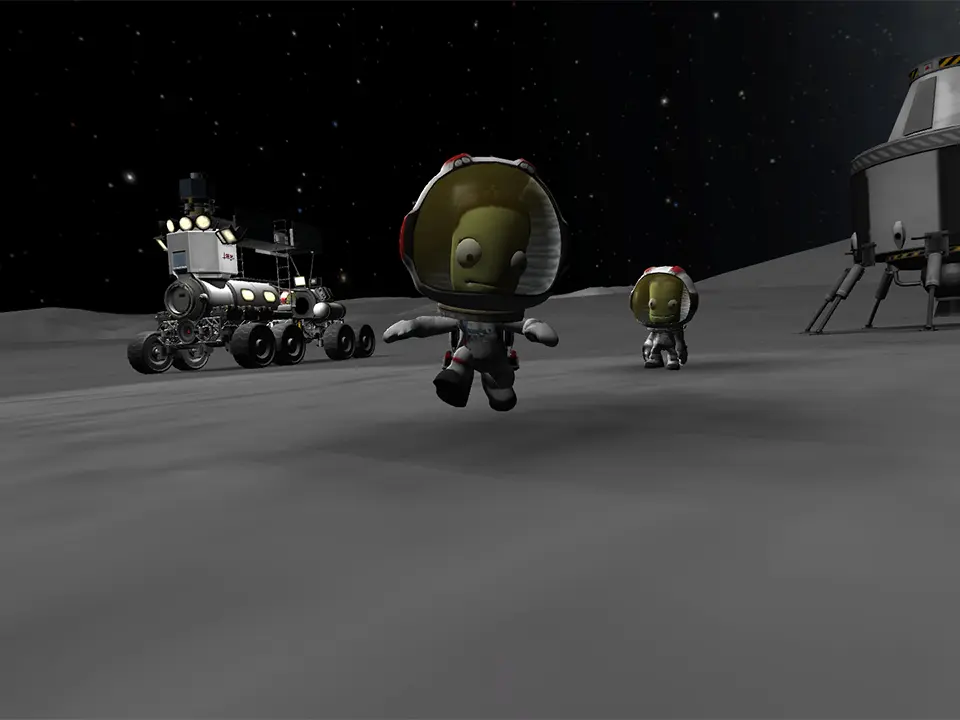
Beyond individual missions, establishing permanent infrastructure like space stations and surface bases is key to long-term exploration and scientific advancement in Kerbal Space Program. These facilities provide critical support, extending your reach across the Kerbol system and enabling more ambitious endeavors.
Why Build Stations and Bases?
While launching individual rockets for every mission is feasible, establishing permanent outposts offers significant advantages:
- Refueling Points: Stations equipped with Fuel Tanks and Mining Equipment (for surface bases) can convert raw resources into usable fuel (Liquid Fuel, Oxidizer, Monopropellant). This drastically reduces the cost and complexity of long-duration missions, allowing smaller, more efficient transfer vehicles to be launched from Kerbin.
- Research Labs: Orbiting Mobile Processing Labs (MPL-LG-2) allow Kerbals to process scientific data, generating significant amounts of Science over time. Surface bases can also house these labs, offering a stable environment for long-term research on other celestial bodies.
- Habitats: Providing living space for Kerbals with parts like the PPD-10 Hitchhiker Storage Container or Mk1-2 Command Pod is crucial for long-duration missions, especially with life support mods. Habitats improve Kerbal morale and efficiency.
- Construction & Repair Hubs: While not a core game mechanic without mods, stations can conceptually serve as staging points for assembling larger vessels or repairing damaged ones.
- Prestige & Challenge: Successfully deploying and operating a complex station or base is a significant achievement and a rewarding challenge for any Kerbal engineer.
Key Module Types and Design Considerations
When designing your space station or base, consider its primary function and the modules required to achieve it:
Core Modules:
- Command Module: A Command Pod or Probe Core is essential for controlling the station/base. Ensure it has sufficient crew capacity if Kerbals will be permanently stationed there.
- Docking Ports: Crucial for connecting modules and allowing other vessels to dock. Use various sizes (Clamp-O-Tron Jr., Standard, Sr.) to accommodate different craft. Plan their placement carefully to avoid obstructions.
- Power Generation: Stations and bases require constant power. Integrate Solar Panels (e.g., OX-4W 3x2 Photovoltaic Wings, Gigantor XL Solar Array) and Batteries (e.g., Z-1k Rechargeable Battery Pack) to ensure continuous operation, especially during orbital night or planetary eclipses.
- Reaction Wheels: For orbital stations, Reaction Wheels (e.g., Advanced Reaction Wheel Module, Small) are vital for attitude control and station keeping, especially when docking or maneuvering.
Specialized Modules:
- Fuel Depots: Large Liquid Fuel Tanks and Oxidizer Tanks are the backbone of any refueling station. For surface bases, add ISRU Converters and Drills (e.g., 'Drill-O-Matic' Mining Excavator) to extract resources.
- Science Labs: The Mobile Processing Lab MPL-LG-2 is where Kerbals process experimental data. Ensure it has enough crew capacity for scientists.
- Habitation Modules: Parts like the PPD-10 Hitchhiker Storage Container or Mk1-2 Command Pod provide living space. Consider using multiple modules for larger crews.
- Utility Modules: Include Antennas for communication, Lights for visibility, and Cargo Bays for storing supplies or scientific instruments.
Building Your Station/Base: Key Strategies
Building large structures in space or on distant planets requires careful planning and execution:
- Modularity is Key: Design your station/base in smaller, manageable modules that can be launched individually and then assembled in orbit or on the surface. This reduces launch vehicle complexity and cost.
- Launch Profile & Rendezvous: Master orbital mechanics for efficient rendezvous and docking. Practice docking maneuvers extensively in low Kerbin orbit before attempting them further afield. For surface bases, design landers capable of precise, gentle touchdowns.
- Power Budget: Always over-engineer your power system. Calculate the power consumption of all modules and ensure your solar panels and batteries can meet the demand, even during extended periods of darkness.
- Structural Integrity: Use Struts and Autostruts to reinforce connections between modules, especially for large or complex structures, to prevent wobbling and potential disintegration.
- Kerbal Engineers: Bring engineers! They are essential for repairing damaged parts, repacking parachutes, and improving the efficiency of ISRU converters.
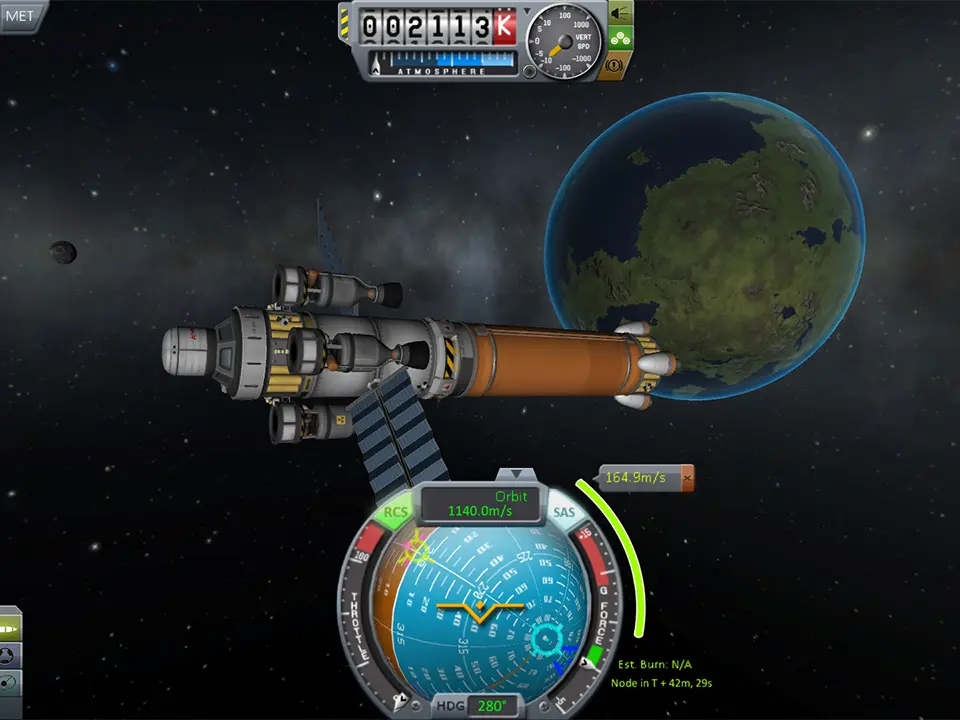
- Orbital Mechanics for Station Keeping: For space stations, choose a stable orbit. A circular orbit with minimal inclination is generally easiest to maintain. Be mindful of orbital decay (though minimal in KSP) and potential collisions with debris. For bases, select a flat, accessible landing site, ideally near resource deposits if mining is planned.
Common Pitfalls to Avoid
- Part Count Lag: As mentioned by players, a high part count can significantly impact game performance, especially on less powerful systems. Consider using mods like "UbioZur Welding Ltd." (if compatible with your game version) to combine multiple parts into one, drastically reducing the part count.
- Insufficient Power: A common mistake is underestimating power requirements, leading to dead batteries and non-functional modules.
- Docking Port Misalignment: Ensure docking ports are accessible and oriented correctly. A poorly placed port can make docking impossible.
- Lack of Redundancy: For critical systems (power, command), consider having backup components.
- Unstable Structures: Without proper reinforcement, large stations can become floppy and difficult to control, or even break apart during maneuvers.
By following these guidelines and embracing a modular design philosophy, you'll be well on your way to establishing a thriving network of space stations and bases across the Kerbol system, pushing the boundaries of Kerbal exploration.
100% Human-Written. AI Fact-Checked. Community Verified. Learn how AntMag verifies content