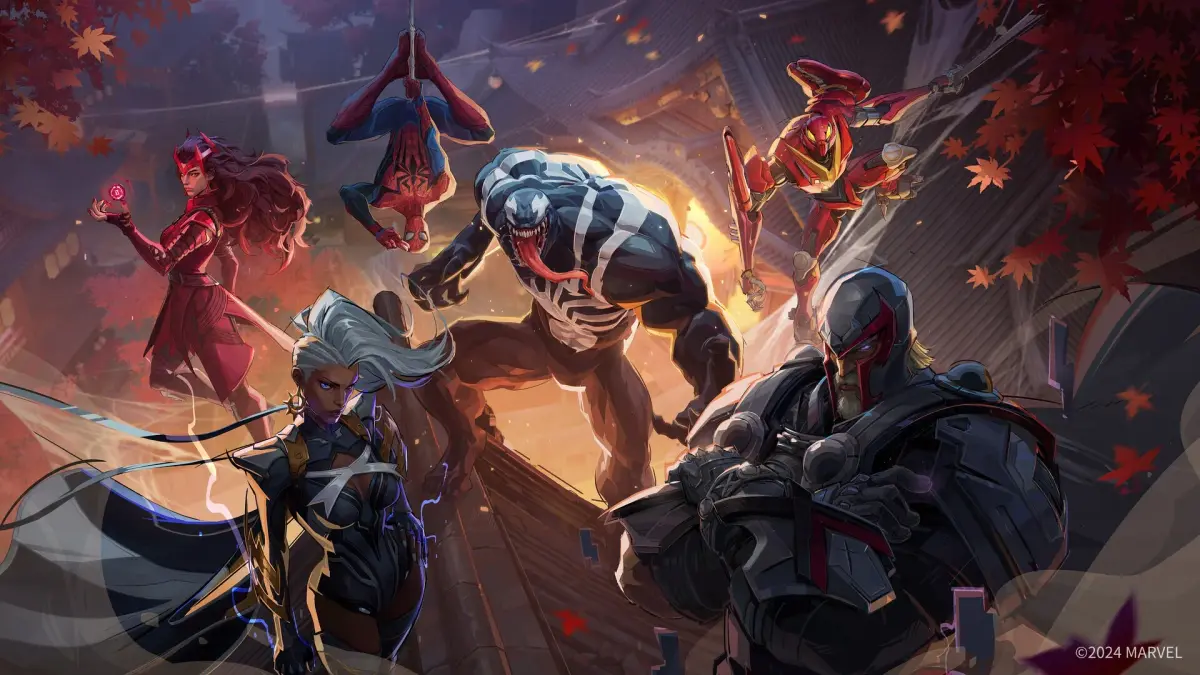
Build winning teams in Marvel Rivals by mastering hero synergies and understanding how unique abilities combine to dominate the battlefield.
Victory in Marvel Rivals is a symphony of coordinated action, where individual prowess is amplified by the collective strength of your team. Mastering team composition and understanding the intricate synergies between hero abilities is paramount to dominating the battlefield. This comprehensive guide will equip you with the knowledge to build potent teams and unleash their combined might.
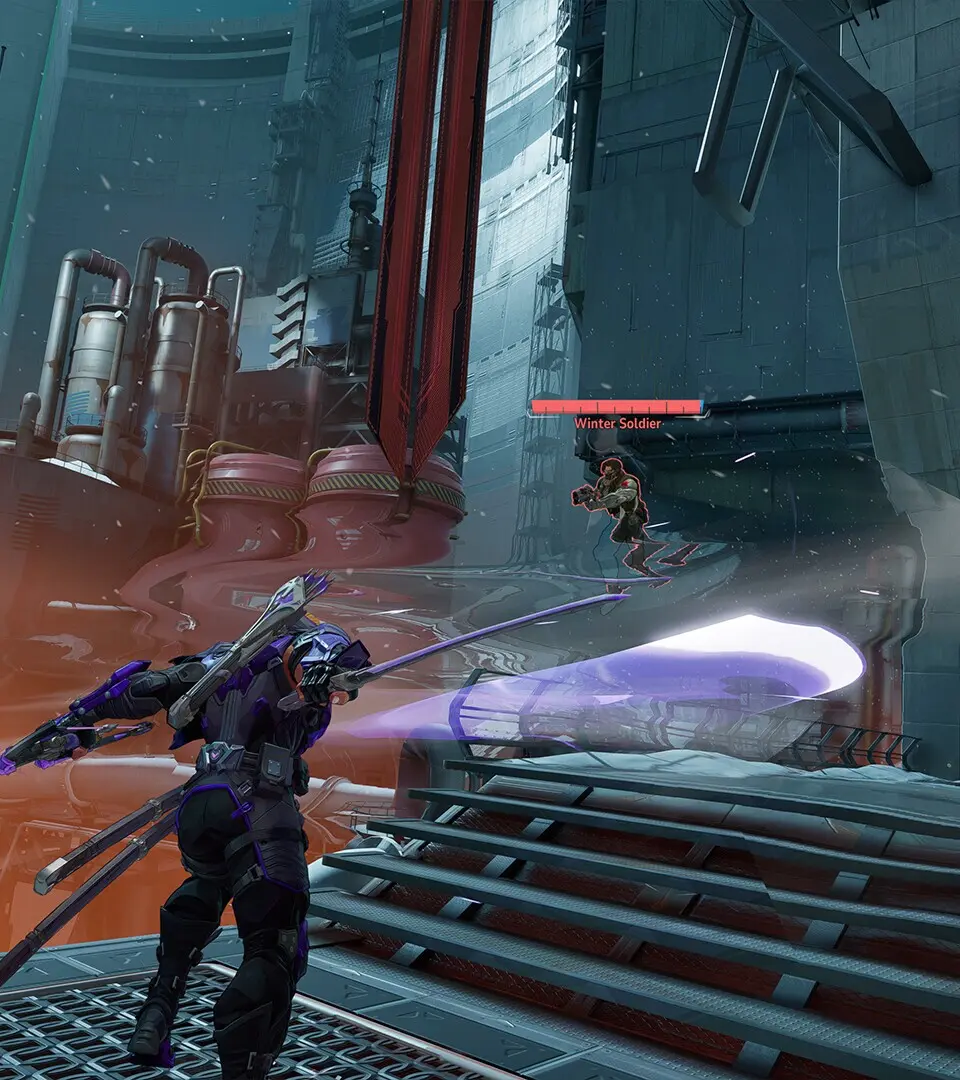
Core Team Roles
A well-rounded team typically comprises heroes fulfilling distinct roles, ensuring adaptability across various combat scenarios. Understanding these roles is the first step to effective team building:
- Damage Dealers (DPS): These heroes are the primary architects of destruction, focused on outputting high amounts of damage to swiftly neutralize threats. They excel at eliminating key targets, breaking through enemy defenses, and controlling the pace of engagements through sheer offensive pressure. Examples include heroes with rapid-fire weaponry, devastating energy blasts, or area-of-effect (AoE) ultimates that can clear multiple enemies.
- Tanks: The bulwarks of any team, Tanks are designed to absorb incoming damage, disrupt enemy formations, and create space for their teammates. Their high health pools, defensive abilities, and often crowd-control capabilities make them indispensable for initiating fights, protecting vulnerable allies, and anchoring defensive positions.
- Support: The backbone of team sustain and utility, Support heroes provide crucial healing, beneficial buffs, debilitating debuffs, and tactical advantages. They are vital for maintaining team survivability, enhancing offensive capabilities, and controlling the flow of combat through strategic application of their unique kits.
- Duelists: While often associated with high damage output, Duelists are a distinct category of heroes specializing in one-on-one combat and flanking maneuvers. They excel at isolating and eliminating single targets, disrupting enemy backlines, and creating chaos in the enemy formation. Their kits often involve high mobility, burst damage, and abilities that excel in duels.
Understanding Synergies
Synergies are the magical moments when two or more hero abilities intertwine, creating an effect far greater than the sum of their individual parts. Recognizing and executing these combinations can be the difference between victory and defeat. Here are some fundamental synergy types:
- Crowd Control (CC) Combos: This involves one hero applying a disabling effect (such as a stun, root, silence, or knock-up) to an enemy or group of enemies, creating a window for another hero to unleash a devastating attack on the immobilized targets. For instance, a hero like Groot, with his ability to entangle enemies, could set up a devastating AoE ultimate from a hero like Storm or Thor.
- Buff/Debuff Stacking: Support heroes can significantly amplify their team's effectiveness by applying buffs to allies or debuffs to enemies. A support hero might grant a damage-boosting buff to a DPS hero, enabling them to quickly eliminate high-priority targets. Conversely, debuffing an enemy Tank with a damage-amplifying debuff can make them a much easier target for the entire team to dismantle.
- Ultimate Ability Combos: The ultimate abilities of heroes are their most potent tools, and coordinating their deployment can single-handedly win team fights. Imagine a hero like Groot creating a large area of denial with his ultimate, trapping enemies, and then a hero like Iron Man unleashing his powerful unibeam within that zone, guaranteeing maximum impact on multiple targets.
- Initiation and Follow-up: A Tank or Duelist might initiate a fight by engaging the enemy team or isolating a key target. This initiation is then followed up by the DPS and Support heroes to secure the kill or capitalize on the disruption. For example, Hulk charging into the enemy team to disrupt their formation, followed by Black Widow using her precision attacks to eliminate a vulnerable target.
Building Your Team: Step-by-Step
Constructing a winning team is a strategic process that involves careful consideration of roles, synergies, and the current game state. Follow these steps to build a cohesive and effective squad:
- Assess the Objective and Map: Before selecting any heroes, analyze the current game mode and the specific map you are playing on. Some maps, like the sprawling industrial zones of "Stark Industries," might favor long-range engagements and heroes with high mobility. Others, such as the confined spaces of "Asgard," might necessitate close-quarters brawling and heroes with strong area-of-effect capabilities. Understanding the map's layout, choke points, and objective locations is crucial.
- Identify Your Core Heroes: Begin by selecting one or two heroes you are highly proficient with and that fulfill a critical role. This could be a reliable Damage Dealer like Iron Man, a steadfast Tank like Hulk, or a crucial Support like Groot. Having a strong foundation with heroes you know well provides a consistent baseline for your team's performance.
- Fill the Gaps and Ensure Role Balance: Examine your chosen core heroes and identify what your team composition is lacking. If you have two strong DPS heroes, consider adding a Tank to absorb damage and control space, or a Support to provide healing and utility. A balanced team typically aims for a mix of roles, though the exact ratio can vary based on strategy and hero picks. For example, a common balanced composition might be 1 Tank, 1 Support, and 2 DPS/Duelists.
- Prioritize Synergistic Pairings: Once you have a reasonable role distribution, focus on selecting heroes whose abilities complement each other. Review hero descriptions for potential ability interactions. For instance, if you have a hero capable of grouping enemies together, such as Groot with his entangling roots, pair them with a hero possessing a powerful AoE ultimate, like Storm's lightning storm or Thor's Ragnarok, to maximize damage output on the clustered foes. Similarly, a hero that can apply a "vulnerability" debuff to an enemy could set up a high-damage hero like Spider-Man to land a critical web-strike.
- Adapt to the Enemy Composition: Be prepared to make hero swaps throughout the match, especially in modes that allow it. If the enemy team is heavily reliant on dive heroes like Wolverine or Spider-Man, consider picking heroes with strong peel abilities or defensive ultimates that can counter their aggression. Conversely, if the enemy team is playing defensively, a composition with strong initiation and burst damage might be more effective.
- Communicate and Coordinate: The most potent synergy comes from clear communication. Call out enemy positions, ultimate ability readiness, and coordinate your engages and disengages with your teammates. A simple "Hulk smashing!" can signal an initiation, allowing your team to follow up effectively.
Example Synergistic Pairings
These are hypothetical examples showcasing how hero abilities could synergize in Marvel Rivals:
- Iron Man + Hulk: Iron Man's precision targeting and ability to mark targets could set up Hulk's devastating ground pound or charge attack for maximum impact, ensuring the target takes critical damage.
- Spider-Man + Black Widow: Spider-Man's web-based crowd control, such as his web-shooters or web-net, can immobilize targets, creating a perfect opportunity for Black Widow to land precise critical shots with her Widow's Bite or other high-damage abilities.
- Storm + Thor: Storm's ability to create large AoE zones of effect, like her "Blizzard" or "Thunderstorm," could be amplified by Thor's lightning-based attacks, creating a devastating storm of elemental damage that overwhelms enemies caught within the area.
- Groot + Any AoE Ultimate: Groot's ability to entangle enemies and pull them together provides an ideal setup for any hero with a powerful area-of-effect ultimate, guaranteeing maximum hits and damage.
- Wolverine + Any High Burst Damage Hero: Wolverine's aggressive, close-range engagement and ability to draw enemy attention can create openings for a high-burst damage hero to flank and eliminate key targets while the enemy is focused on Wolverine.
Ultimately, experimentation is the key to discovering powerful synergies that align with your team's playstyle and the evolving meta of Marvel Rivals. Don't hesitate to try different hero combinations in practice modes or casual matches to find your winning formula.
100% Human-Written. AI Fact-Checked. Community Verified. Learn how AntMag verifies content