
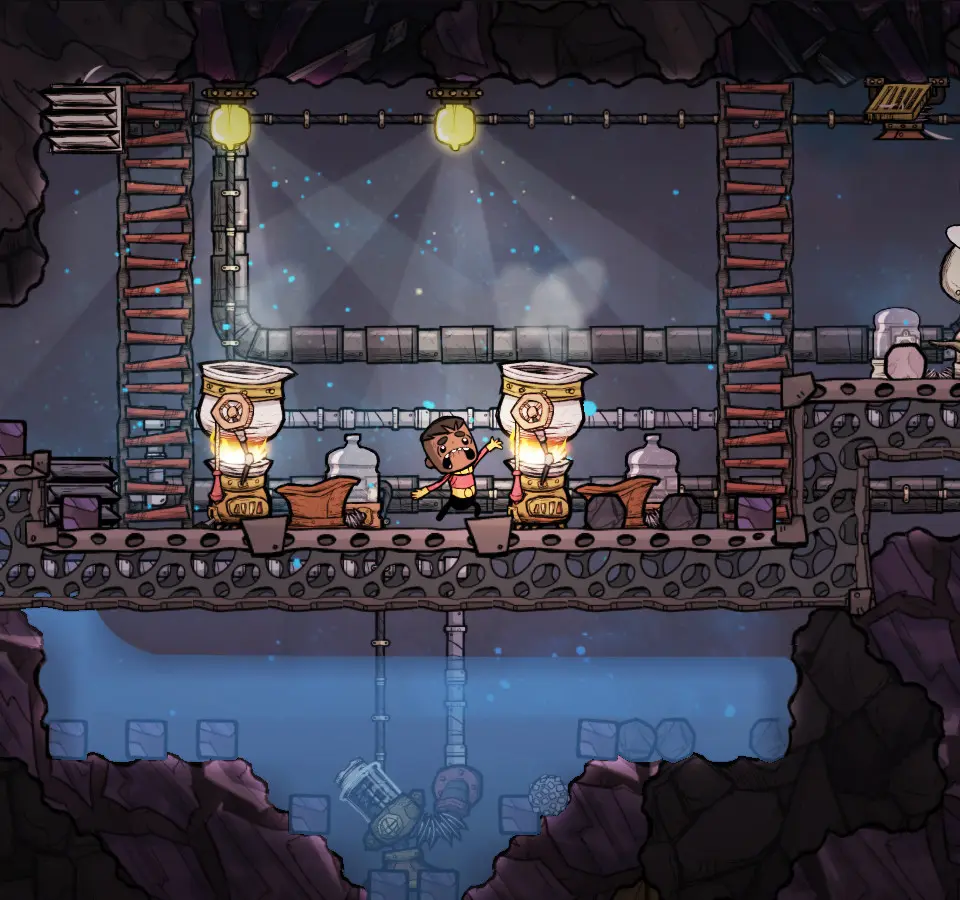
Learn the essentials of critter ranching in Oxygen Not Included. This guide covers temperature control, food sources, dupe management, and power generation for a thriving colony.
Walkthrough
- 1Temperature Management: Utilize the Temperature Overlay to identify hot and cold spots. Keep living quarters temperate and away from heat sources. Ensure greenhouses maintain specific temperatures for plants like Meal lice and Bristle blossoms, as even a 1°C deviation can halt growth. High temperatures can scald dupes, requiring Medbay intervention. Use materials like granite for decor bonuses and igneous rock or abyssalite for heat-resistant structures, especially in greenhouses. Keep heat-generating elements like power generators and batteries away from growing areas.
- 2Food Sources: Early game relies on Mealwood for Meal lice (600 kcals, food quality -1), which requires dirt. As dupes gain promotions, their food expectations rise, making Meal lice stressful. Transition to Bristle Blossoms for Gristle berries (2050 kcals, food quality 1), which need water and light. Hydroponic farm tiles are recommended to automate watering. Mushrooms, fried for Fried Mushroom (2800 kcals, food quality 1), require polluted water and immersion in CO2.
- 3Food Preservation: To prevent food spoilage, especially when dupes don't immediately collect it, fill greenhouses with Carbon Dioxide, as germs require oxygen to survive. Storing food in ration boxes within an ice biome acts as a natural refrigerator, further reducing decay.
- 4Dupe Management: Avoid accumulating too many dupes early on. Aim for a minimum of 3 and a maximum of 6. More dupes increase food and oxygen demands significantly. Build rooms like barracks (increases stamina regeneration) and latrines (relieves stress) to manage dupe well-being. Stress is a major challenge; manage it proactively through proper housing and workload.
Tips
- Use overlays (Temperature, Thermal Comfort, Room) to understand environmental factors and dupe needs.
- Choose building materials wisely: granite for decor, igneous rock/abyssalite for thermal insulation.
- Automate where possible, such as using hydroponic farm tiles for plants.
- Prioritize dupe count based on your resource availability.
- Proactively manage dupe stress through well-designed living quarters and workload distribution.
100% Human-Written. AI Fact-Checked. Community Verified. Learn how AntMag verifies content