
Learn to navigate Oxygen Not Included's complex UI with this comprehensive guide. Master overlays, temperature, food, dupes, and power management for a thriving colony.
This guide provides essential tips for new Oxygen Not Included players, focusing on understanding the game's user interface and core mechanics to establish a successful base.
Walkthrough
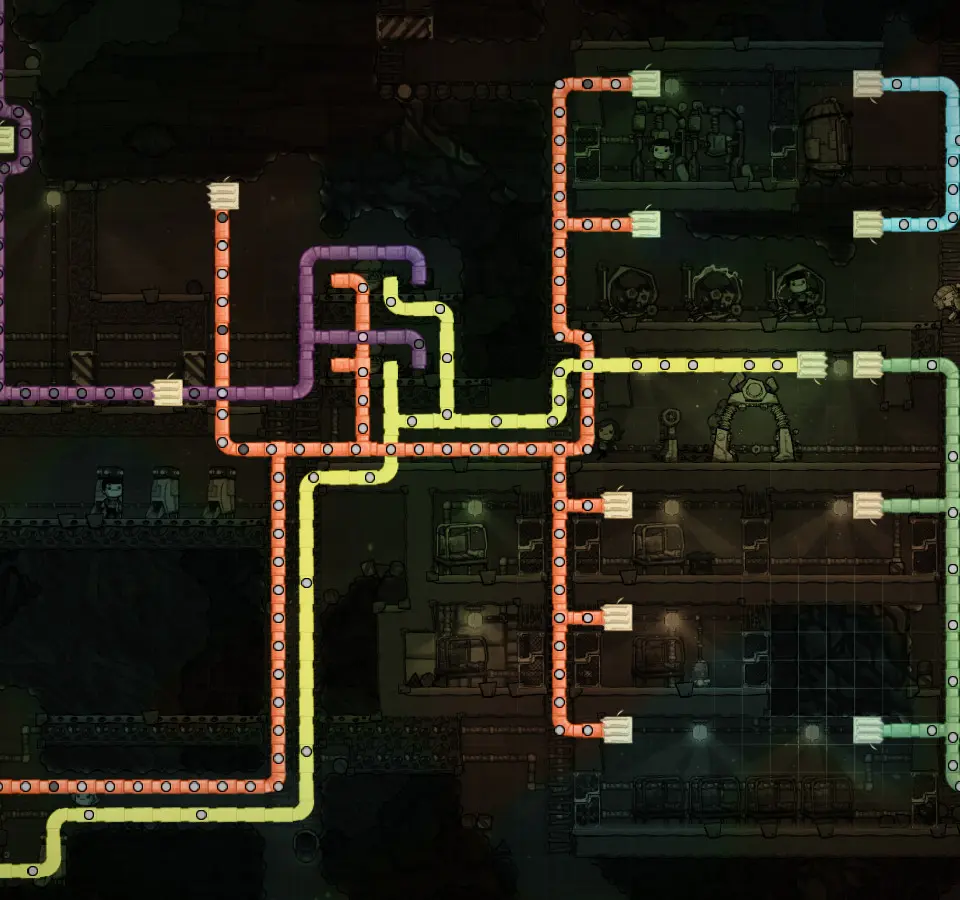
- 1Utilize Overlays: Don't just dig out your surroundings. Use the various overlays (Temperature, Power, Room, etc.) accessible from the top right of the screen to make informed decisions about base construction and management. A link to a list of overlays is provided.
- 2Manage Temperature: Temperature is critical. Pay close attention to the Temperature Overlay to identify hot and cold spots. Keep living quarters and farms in temperate zones. Extreme temperatures can prevent plants from growing or cause dupes to get scalded, requiring medical attention and halting productivity. The Thermal Comfort Overlay helps identify areas where dupes can work without negative effects.
- 3Choose Building Materials Wisely: Different materials have unique properties. Granite and sandstone offer decor bonuses, useful for sculptures, paintings, and tiles in high-traffic areas. Igneous rock is good for greenhouses as it's not thermally reactive. Abyssalite is excellent for insulation but scarce. Keep heat-generating elements like power generators and batteries away from farms.
- 4Optimize Food Production: Early game, Mealwood is easy to grow but provides low-quality food. As dupes get promoted, their food expectations rise, leading to stress if they eat Meal Lice. Bristle Blossoms (producing Gristle Berries when cooked) offer better food quality and calories but require water and light, ideally powered by a coal generator. Mushrooms, when fried, also provide good food.
- 5Prevent Food Spoilage: Food left on the floor can rot due to germs. If your greenhouse is filled with carbon dioxide, germs cannot survive, preventing decay. Storing food in ration boxes within an ice biome or immersed in CO2 further reduces spoilage.
- 6Control Dupe Population: Avoid getting too many dupes early on. Start with 3-6 dupes and only increase the population when you can reliably provide food, oxygen, and manage stress.
- 7Manage Dupe Stress and Rooms: Build specific rooms like Barracks (increase stamina regeneration) and Latrines (relieve stress) to improve dupe well-being. Stress management is crucial and can be challenging.
Tips
- Keep greenhouses full of carbon dioxide to prevent food spoilage on the floor.
- Store food in ration boxes in an ice biome or CO2-filled area for natural refrigeration.
- Limit your dupe population to 3-6 initially to avoid resource strain.
- Build dedicated rooms for dupes to manage stress and improve stamina.
100% Human-Written. AI Fact-Checked. Community Verified. Learn how AntMag verifies content