Master map navigation and pathing in Peglin. Learn to choose optimal routes, identify encounters, and manage resources to defeat the final boss.
Navigating the map in Peglin is a crucial skill that can make or break a run. Understanding how to choose your path, identify key encounters, and manage your resources effectively will significantly increase your chances of reaching and defeating the final boss. This section will provide a detailed walkthrough of optimal map navigation strategies.
Understanding the Map Layout
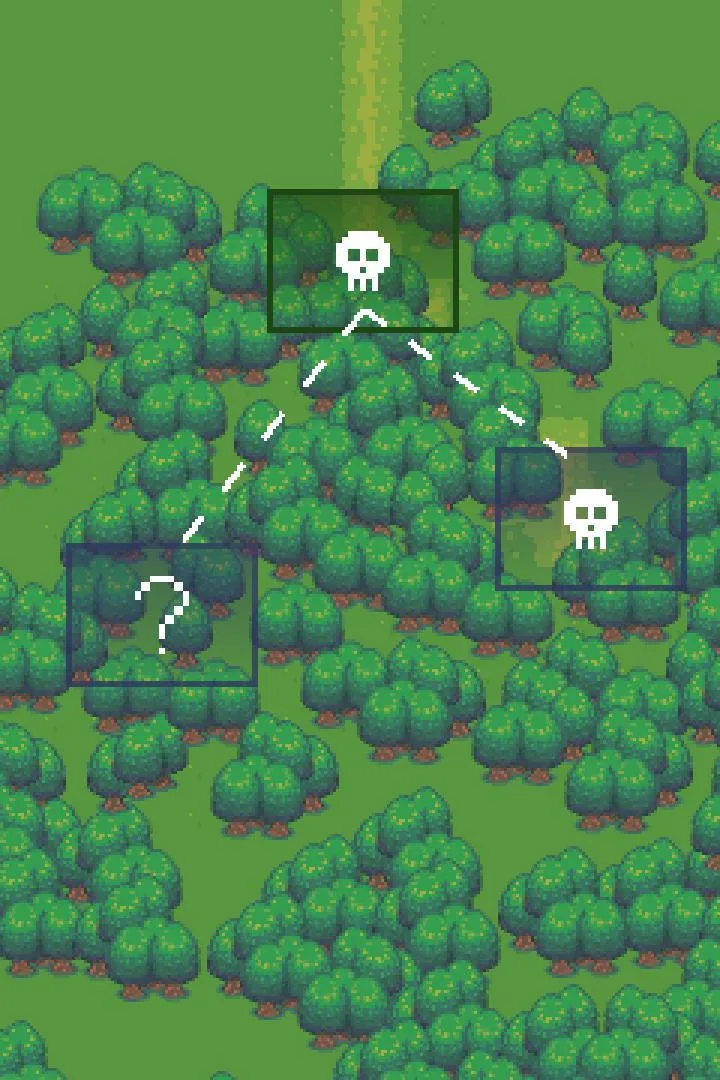
The Peglin map is procedurally generated, but it always follows a general structure: a series of nodes connected by paths. Each node represents a different type of encounter, and your goal is to choose a path that maximizes your strength while minimizing risk. Before making any decisions, always take a moment to survey the available paths and identify the types of nodes ahead.
- Battle Nodes (Sword Icon): These are your primary source of gold and relics. While necessary, too many consecutive battles can deplete your health and resources.
- Elite Battle Nodes (Skull Icon): Tougher battles offering better rewards, including rare relics and more gold. Prioritize these if your build is strong, but approach with caution if you're struggling.
- Shop Nodes (Coin Bag Icon): Essential for purchasing new orbs, relics, and refreshing your health. Always try to hit a shop when you have ample gold or need specific upgrades.
- Treasure Nodes (Chest Icon): Guaranteed relics, often rare or epic. These are high-value nodes and should be prioritized whenever possible.
- Mystery Nodes (Question Mark Icon): These can be anything from a beneficial event (e.g., free gold, a relic choice) to a challenging battle or a detrimental effect. They add an element of risk and reward.
- Healing Nodes (Heart Icon): Restore a portion of your health. Crucial for sustaining long runs, especially after tough battles.
- Blacksmith Nodes (Anvil Icon): Allow you to upgrade your orbs, making them more powerful. Prioritize these to enhance your core damage output.
Pathing Strategies: Early Game (Act 1)
In Act 1, your primary goal is to establish a strong foundation for your build. This means acquiring good orbs and relics, and accumulating enough gold for future purchases.
- Prioritize Treasure and Elite Nodes: Early relics can define your run. Look for paths that offer a Treasure node or an Elite Battle. The rewards from Elites are often worth the increased difficulty.
- Seek Out Shops: Aim to visit at least one shop per act. Use your initial gold to purchase strong common or uncommon orbs that synergize with your starting orb, or a useful early relic.
- Balance Battles and Healing: Don't shy away from regular battles, as they provide essential gold. However, if you're taking significant damage, look for a Healing node before committing to another tough fight.
- Mystery Node Caution: In the early game, Mystery nodes can be risky. If your build isn't established, a bad outcome can severely hinder your progress. Consider them if other paths are unappealing or if you're feeling lucky.
Pathing Strategies: Mid Game (Act 2)
Act 2 is where your build starts to solidify. You should be looking to refine your orb deck, acquire powerful relics, and prepare for the challenges of Act 3.
- Focus on Synergies: By now, you should have a clearer idea of your build's direction (e.g., crit build, bomb build, refresh build). Prioritize relics and orbs from shops and Treasure nodes that enhance these synergies.
- Blacksmith Importance: Act 2 is an excellent time to visit Blacksmith nodes. Upgrading your core damage orbs can significantly boost your power level.
- Elite Hunting: If your build is strong, actively seek out Elite Battle nodes. The rare relics they offer can be game-changing.
- Health Management: Act 2 enemies hit harder. Pay close attention to your health bar and plan for Healing nodes, especially after Elite battles.
- Gold Accumulation: Ensure you're still fighting enough battles to accumulate gold. You'll want a healthy reserve for the Act 3 shop.
Pathing Strategies: Late Game (Act 3 & Boss Prep)
Act 3 is the final stretch before the boss. Your pathing here should be focused on maximizing your strength and ensuring you're in peak condition for the final encounter.
- Final Shop Visit: Always try to hit the last shop before the boss. This is your final opportunity to purchase crucial relics, powerful orbs, or refresh your health. Save up gold specifically for this.
- Last-Minute Upgrades: If available, a Blacksmith node can provide that final damage boost to your key orbs.
- Healing Priority: If your health is low, prioritize Healing nodes, even over a potentially good relic from a Treasure node. Entering the boss fight with low health is a recipe for disaster.
- Avoid Unnecessary Risk: Unless absolutely necessary for a specific relic or orb, avoid Mystery nodes in Act 3. A bad outcome here can be devastating.
- Consider Skipping: If a path offers only regular battles and you're already strong, consider if the gold is worth the potential health loss. Sometimes, taking a shorter path to the boss is the best strategy.
General Tips for Effective Pathing
- Look Ahead: Always plan several nodes in advance. Don't just focus on the next node; consider what opportunities lie two or three nodes down the path.
- Adaptability: The map is random, so be prepared to adapt your strategy. If your ideal path isn't available, make the best choice from the options presented.
- Resource Management: Keep track of your gold, health, and orb deck. Your pathing decisions should always reflect your current resource status.
- Relic Knowledge: Familiarize yourself with the game's relics. Knowing which relics are powerful and which synergize with your build will help you make better decisions at Treasure nodes and shops.
- Experiment: Don't be afraid to try different paths and strategies. What works for one build might not work for another. Learning from your runs is key to improving.
100% Human-Written. AI Fact-Checked. Community Verified. Learn how AntMag verifies content