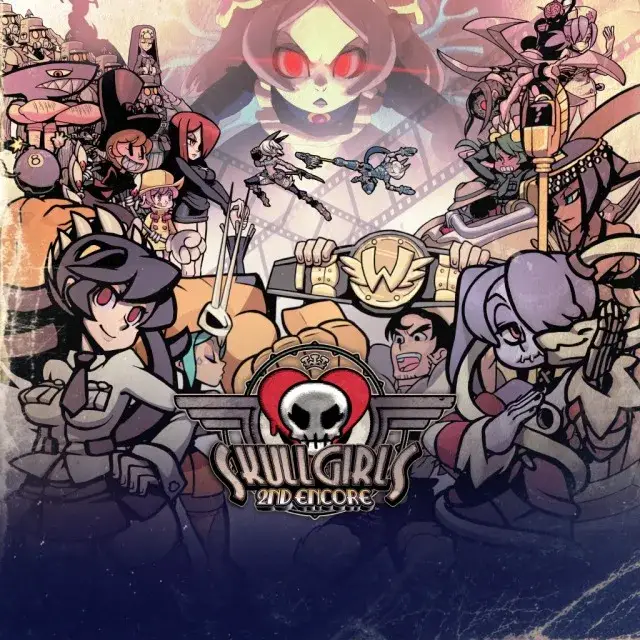
Master Skullgirls 2nd Encore fighting game terms like meter, whiff, and footsies with this glossary. Learn essential terminology for competitive play.
Welcome, aspiring Skullgirls champion! Whether you're a seasoned veteran of other fighting games like BlazBlue Chronophantasma or Ultimate Marvel vs. Capcom 3, or completely new to the genre, the intricate mechanics of Skullgirls 2nd Encore can feel daunting. This glossary aims to demystify common fighting game terminology, providing you with the foundational knowledge to understand discussions, tutorials, and ultimately, improve your gameplay.
Core Mechanics & Terminology
- Hitstun: This refers to the state an opponent is in after being hit by an attack, during which they cannot act. In Skullgirls, hitstun can feel "low" compared to other games, meaning you have less time to link attacks together for combos. Mastering hitstun timing is crucial for extending your offense.
- Blockstun: Similar to hitstun, but occurs when an opponent successfully blocks an attack. During blockstun, they cannot act, but they can often perform a "pushblock" to create distance.
- Combo: A sequence of attacks that, once the first hit connects, cannot be blocked or escaped by the opponent until the sequence ends or is broken. Skullgirls is known for its extensive and often complex combo system, requiring precise timing and execution.
- Juggle: A specific type of combo where the opponent is repeatedly hit while airborne, preventing them from landing. Many Skullgirls combos involve intricate juggle sequences.
- OTG (Off The Ground): Refers to attacks that can hit an opponent who has been knocked down and is lying on the ground. Not all attacks are OTG-capable, and using them effectively can extend combos or provide valuable extra damage.
Movement & Positioning
- Dash: A quick forward or backward movement, often used for closing distance, escaping pressure, or repositioning. Each character has unique dash properties.
- Air Dash: A dash performed while airborne, offering advanced movement options for offense, defense, and combo extensions.
- Super Jump: A higher and faster jump than a regular jump, typically performed by quickly pressing down then up on the joystick/D-pad. Essential for navigating the screen and initiating aerial offense.
- Cross-Up: An attack that hits an opponent from the "other side" of their guard, forcing them to switch their block direction. A common tactic to open up defensive opponents.
- Okizeme (Oki): The offensive pressure applied to an opponent as they are waking up from a knockdown. This can involve setting up mix-ups, safe-jumps, or continued pressure to prevent them from regaining their footing.
Offensive & Defensive Techniques
- Mix-up: A situation where an attacker presents multiple offensive options (e.g., high/low, left/right, throw/attack) that force the defender to guess correctly to block or counter. Effective mix-ups are key to opening up opponents.
- Frame Trap: A technique where an attacker leaves a small gap in their offense that is too short for the opponent to counter with a fast attack, but long enough to bait them into pressing a button, leading to a counter-hit.
- Punish: Landing a free hit or combo on an opponent after they commit to an unsafe attack or make a mistake. Learning common unsafe moves and their punish opportunities is vital.
- Blockstring: A sequence of attacks that, when blocked, keeps the opponent in blockstun, allowing the attacker to maintain pressure and set up mix-ups.
- Pushblock: A defensive technique unique to Skullgirls (and similar tag fighters) where you can spend meter to push your opponent away while blocking, creating space and potentially escaping pressure. This is an invaluable tool for defense.
- Burst: A defensive mechanic that allows a player to break out of an opponent's combo by spending meter. However, a "burst bait" can lead to a punish if the attacker anticipates it.
- Snapback: A special attack that forces the opponent's active character out and brings in one of their assist characters. This is a powerful tool for managing the opponent's team and setting up advantageous situations.
Team & Assist Mechanics
- Assist: A character on your team who is not currently active but can be called in to perform a specific attack, offering offensive pressure, defensive support, or combo extensions. Mastering assist calls is fundamental to Skullgirls' team-based combat.
- DHC (Delayed Hyper Combo): A technique where you cancel one character's Super into another character's Super, often extending damage or creating advantageous situations.
- Tag: The act of switching your active character with one of your assist characters. Strategic tagging is crucial for character health management and maintaining offensive pressure.
General Game Concepts
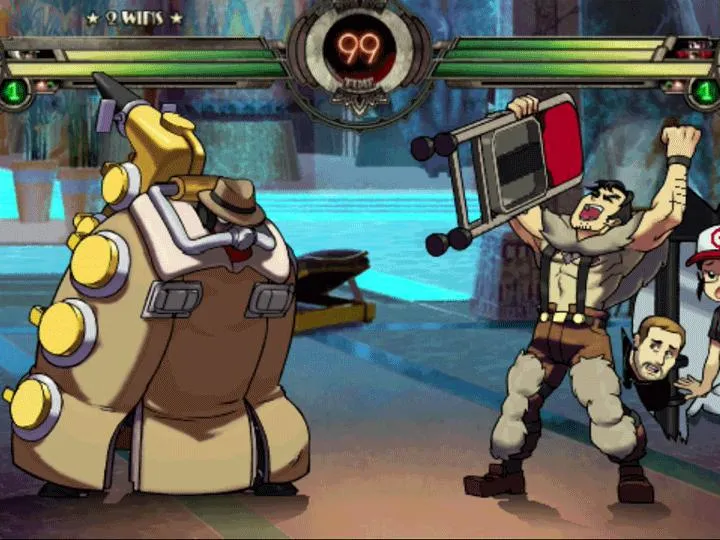
- Meter: The super meter, typically displayed at the bottom of the screen, which fills up as you deal or take damage. It's used for Supers, Bursts, Pushblocks, and other special techniques.
- Neutral: The state of the game when neither player has a significant advantage, and both are trying to gain control of the screen and initiate offense. Understanding neutral is key to consistent success.
- Frame Data: Detailed information about the startup, active, and recovery frames of each attack. While advanced, understanding frame data can help you identify punish opportunities and safe attacks.
This glossary provides a starting point for understanding the rich vocabulary of fighting games, particularly as it applies to Skullgirls 2nd Encore. Don't be discouraged if the game feels "very hard" at first; even experienced players like those coming from BlazBlue or Marvel vs. Capcom find Skullgirls complex. Dedicate time in practice mode, experiment with characters like Valentine, and gradually integrate these concepts into your gameplay. The tutorials within the game are an excellent resource, and consistent practice is the most actionable step you can take to improve.
100% Human-Written. AI Fact-Checked. Community Verified. Learn how AntMag verifies content