Control the rink with this guide to SLAPSHOT Rebound's match flow, covering face-offs and each period's distinct strategic nuances from start to finish.
Understanding the rhythm of a SLAPSHOT Rebound match is crucial for dominating the rink. Unlike traditional sports, our matches are fast-paced, high-octane affairs divided into distinct periods, each with its own strategic nuances. Mastering the flow from face-off to final buzzer will elevate your game from casual fun to competitive glory.
The Face-Off: Gaining Early Control
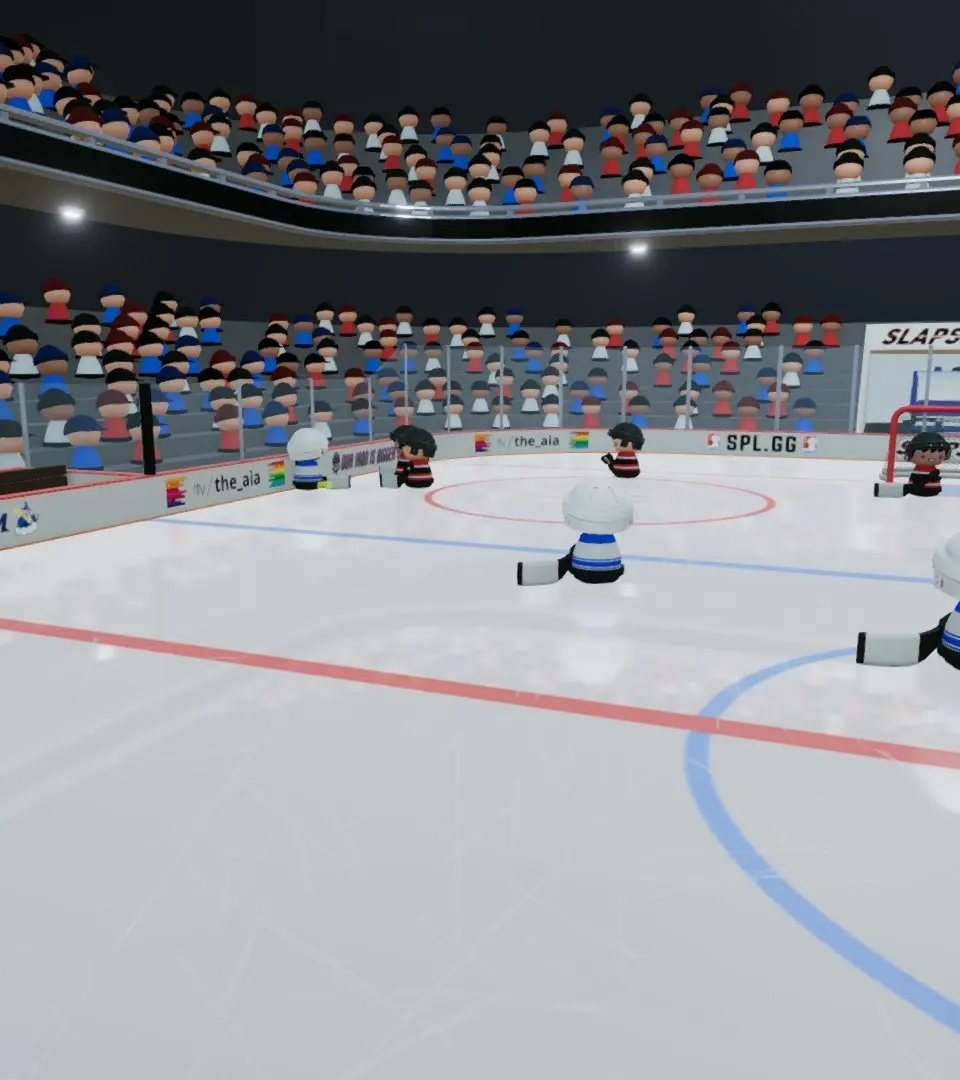
Every period, and indeed every goal, begins with a face-off at the center ice circle. This isn't just a formality; it's your first opportunity to seize possession and dictate the early tempo. Here’s how to win it consistently:
- Timing is Everything: As the referee drops the puck, watch for the visual cue (a slight shimmer around the puck or a specific sound effect). Press your Face-Off button (typically 'A' on Xbox-style controllers, 'X' on PlayStation-style, or Left Click on PC) precisely as the puck hits the ice.
- Directional Advantage: While timing is paramount, you can also influence the puck's direction. Hold your analog stick or directional keys towards your own net to pull the puck back to your defensemen, or towards the opponent's net for a more aggressive forward push. The former is generally safer for retaining possession.
- Strategic Positioning: Your center will automatically position themselves, but your wingers and defensemen should be ready to collect a loose puck. If you anticipate losing the face-off, have a winger ready to intercept a pass or a defenseman prepared to block a shot.
Period Structure: Three Intense Rounds
A standard SLAPSHOT Rebound match consists of three periods, each lasting a predetermined amount of time (often 2-3 minutes, depending on game settings). There are no intermissions for player changes or lengthy breaks, keeping the action relentless.
Period 1: Setting the Tone
The first period is about establishing dominance and understanding your opponents' playstyle. Don't go for risky, low-percentage shots immediately. Focus on:
- Possession Play: Work the puck around, make crisp passes, and try to maintain possession in the offensive zone. This tires out opponents and creates openings.
- Testing the Goalie: Take a few medium-range wrist shots or snap shots to see how the opposing goalie reacts. Do they struggle with high shots? Low shots? This intelligence is invaluable for later periods.
- Defensive Awareness: Pay close attention to your opponents' preferred attack routes. Do they favor the left wing? The right? Are they constantly trying for one-timers from the slot? Adjust your defensive positioning accordingly.
Period 2: The Mid-Game Grind
Often considered the most crucial period, the second period is where leads are built or comebacks are initiated. Energy levels might start to dip slightly, making smart play even more important.
- Exploiting Weaknesses: Based on your observations from Period 1, start targeting the opponent's goalie's weaknesses. If they struggle with high shots, aim for the top corners. If their defense is slow to cover the slot, look for quick passes for one-timers.
- Power Play Maximization: If you get a power play, make it count! Utilize the extra player to set up cross-crease passes, point shots, or screens in front of the net. Don't just blast away; look for the high-percentage play.
- Penalty Kill Efficiency: If you're shorthanded, focus on clearing the puck down the ice, blocking shots, and staying in passing lanes. Don't chase the puck; maintain your defensive box or diamond formation.
Period 3: The Final Push
The final period is all about execution and managing the clock. Whether you're leading or trailing, every decision matters.
- Protecting a Lead: If you're ahead, prioritize defensive play. Don't take unnecessary risks in the offensive zone. Dump the puck deep, cycle it along the boards, and focus on preventing odd-man rushes. Your Defensive Zone Coverage strategy (accessed via D-Pad Up/Down or keyboard shortcuts) can be invaluable here.
- Chasing a Deficit: If you're behind, you need to be more aggressive. Take more shots, crash the net for rebounds, and consider pulling your goalie for an extra attacker in the final minute if you're desperate. Be wary of giving up an empty-net goal, however!
- Clutch Plays: This is where your ability to execute dekes, quick passes, and accurate shots under pressure will shine. Look for opportunities to create a breakaway or a prime scoring chance.
Overtime and Shootouts (Optional)
If the score is tied at the end of the third period, the game may proceed to an overtime period (often sudden-death, where the first goal wins) or a shootout, depending on the game mode settings. These are high-pressure situations that demand precision and calm.
- Overtime Strategy: In sudden-death overtime, possession is king. One mistake can cost you the game. Play cautiously but aggressively when opportunities arise. Look for odd-man rushes or quick passes to the slot.
- Shootout Mastery: Shootouts are a test of individual skill. Practice your dekes, wrist shots, and snap shots. Vary your approach to keep the opposing goalie guessing. A well-timed deke or a perfectly placed shot can be the difference between victory and defeat.
100% Human-Written. AI Fact-Checked. Community Verified. Learn how AntMag verifies content