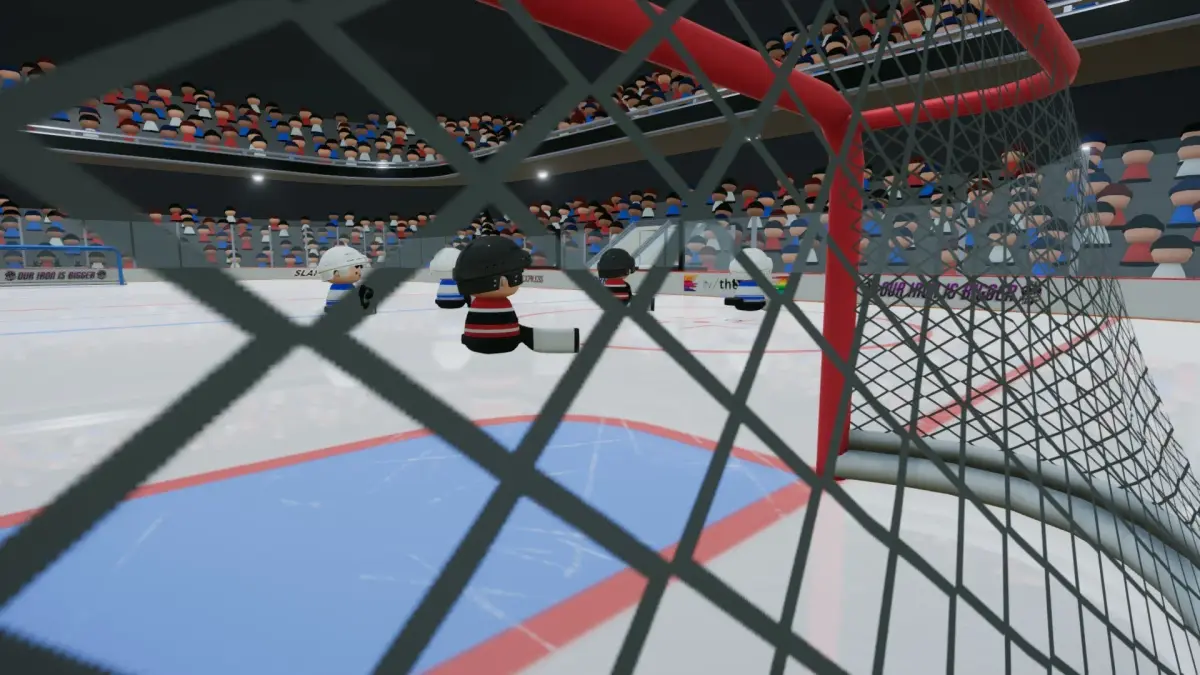
Master power play strategies in SLAPSHOT Rebound. Learn zone entry, puck movement, positioning, screening, and one-timers for scoring advantage.
Mastering the power play is essential for dominating in SLAPSHOT Rebound, especially in crucial game situations. A power play occurs when your team has a numerical advantage on the ice due to an opponent's penalty. This is your prime opportunity to score, and employing effective strategies can significantly increase your chances of capitalizing on the advantage. It requires coordinated team play, smart positioning, and precise execution of offensive plays.
The fundamental goal of a power play is to create high-percentage scoring chances by stretching the opposing team's defense. This often involves spreading out your players to occupy different zones and force defenders to make difficult choices. A common formation is the '1-3-1' or '2-1-2' setup, where players occupy the point, the slot, and the net-front areas. You at the point (usually a defenseman) can look for one-timers or passes to the slot, while players in front of the net can screen the goalie and tip in shots.
Effective power play strategies include:
- Zone Entry: Safely carrying the puck into the offensive zone is the first step. Look for clean entries, often using passes to bypass forecheckers.
- Puck Movement: Quick and crisp passes are vital. Avoid holding onto the puck for too long, as this gives the shorthanded team time to recover and block passing lanes.
- Player Positioning: Maintain good spacing to create passing options and draw defenders out of position.
- Screening the Goalie: Having a player in front of the net can obstruct the goalie's vision, making it harder to track the puck.
- One-Timers: Setting up players for quick, hard shots as soon as the puck arrives can be highly effective.
- Cross-Ice Passes: Shifting the puck from one side of the ice to the other can open up shooting lanes and create confusion for the defense.
utilize your player's unique skills. A player with a powerful shot might be best positioned at the point or in the slot for a one-timer. A skilled deker might be effective at carrying the puck into the zone or creating space for a pass. Communication with your teammates, even if it's just through in-game pings, can help coordinate movements and ensure everyone is on the same page. Remember, a successful power play isn't just about shooting; it's about creating and exploiting opportunities through smart, coordinated play.
100% Human-Written. AI Fact-Checked. Community Verified. Learn how AntMag verifies content