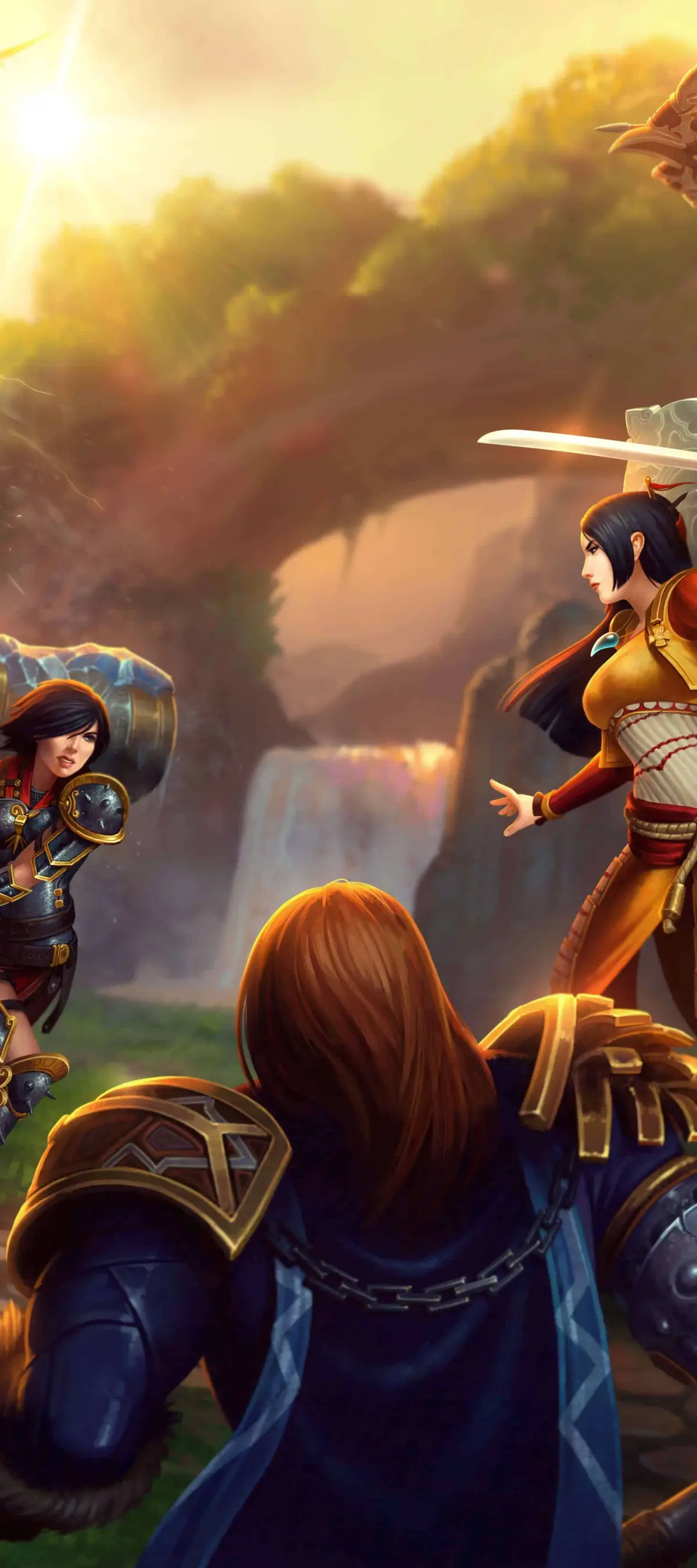
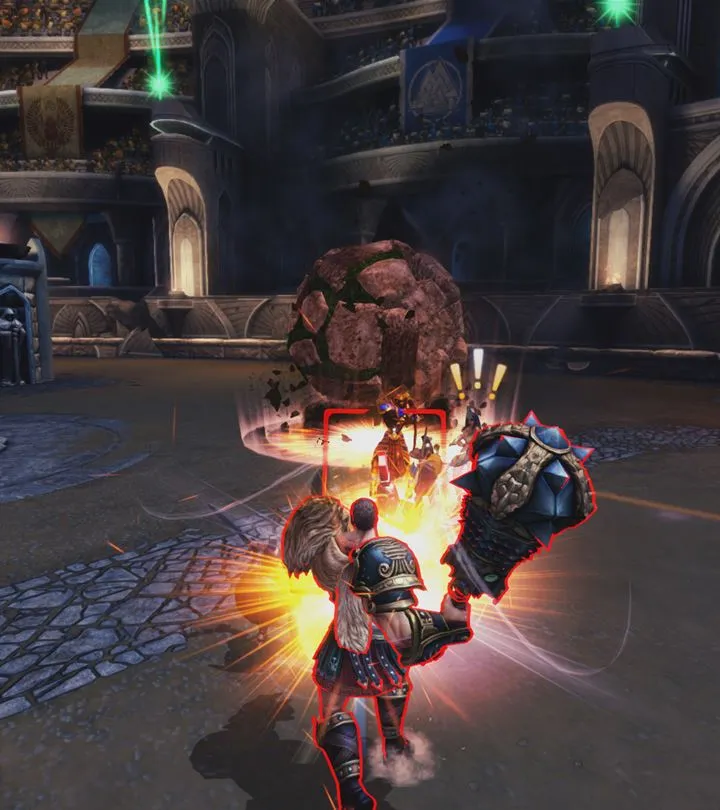
Learn Smite's god lore and background for a strategic edge. Understand deity origins and mythological connections to inform your playstyle and item choices.
Understanding the rich lore behind each Smite god isn't just for flavor; it's a strategic advantage. Knowing a deity's origins, motivations, and mythological connections can inform your playstyle, item choices, and even how you counter opponents. This section delves deep into the background of various gods, offering insights that transcend mere stat sheets.
The Pantheon's Influence on Gameplay
Each pantheon in Smite brings unique thematic elements that often translate directly into gameplay mechanics. For instance, the aggressive, warrior-focused nature of Norse gods often manifests in abilities centered around direct combat and sustained damage, while the trickery and illusion associated with some Celtic deities might inspire abilities that involve stealth or misdirection.
- Norse Pantheon: Gods like Thor and Odin embody raw power and battlefield control. Their abilities often involve leaps, stuns, and high burst damage, reflecting their mythological roles as formidable warriors.
- Egyptian Pantheon: Deities such as Ra and Isis often focus on ranged magical damage and healing, mirroring their roles as gods of the sun, magic, and life. Expect abilities with wide area-of-effect and sustain.
- Greek Pantheon: Known for a diverse range of gods, from the tactical prowess of Athena to the destructive force of Zeus. Greek gods often have abilities that reward strategic positioning and precise execution.
Deep Dive: Understanding Specific Deities
Let's take a closer look at how specific god lore can impact your in-game decisions. We'll use examples to illustrate how background knowledge can be applied.
Anubis: The Jackal God of the Underworld
Anubis, the Egyptian God of the Dead, is known for his role in mummification and guiding souls. This lore is directly reflected in his kit, emphasizing control, decay, and powerful, inescapable damage.
- Lore Connection: Anubis's association with judgment and the weighing of hearts translates into his ability to "hold" enemies in place, making them vulnerable to his devastating attacks.
- Strategic Implications:
- Ability Synergy: His Grasping Hands (Ability 1) and Mummify (Ability 2) are direct reflections of his binding and controlling nature. Using Mummify to root an enemy before casting Grasping Hands ensures maximum damage.
- Itemization: Due to his high magical scaling and need for survivability during his channeled ultimate, Bancroft's Talon and Spear of the Magus are excellent choices. Bancroft's provides crucial lifesteal, keeping him alive while he channels his Death Gaze (Ultimate), which visually represents his piercing judgment.
- Counterplay: Gods with strong interrupts or purification abilities, such as Ares (No Escape ultimate can pull him out of Death Gaze) or Chang'e (Moonlit Waltz provides immunity), are effective counters, reflecting the idea of escaping the judgment of the underworld.
Achilles: The Invincible Warrior
Achilles, the Greek hero of the Trojan War, is famed for his near-invulnerability and his singular vulnerable point. This duality is central to his Smite design.
- Lore Connection: His passive, Gift of the Gods, allows him to choose between bonus Physical Power or Protections, symbolizing his choice between offense and defense, much like his legendary prowess in battle. His ultimate, Fatal Strike, is a direct nod to his legendary killing blow.
- Strategic Implications:
- Adaptive Playstyle: Depending on the team composition and your role, you can adapt Achilles' build. If your team lacks frontline, opt for the defensive passive and build items like Blackthorn Hammer and Genji's Guard. If you need more damage, take the offensive passive and focus on items like The Sledge and Gladiator's Shield.
- Ultimate Execution: Fatal Strike's reset mechanic after a kill embodies Achilles' relentless pursuit. Practice landing the initial strike to chain kills in team fights, much like his dominance on the battlefield.
- Weaknesses: While powerful, Achilles can be kited. Gods with strong slows or roots, like Poseidon (Whirlpool) or Ymir (Frost Breath), can exploit his lack of reliable long-range engagement, reflecting the difficulty he faced when not in direct combat.
Conclusion: Beyond the Abilities
By investing time in understanding the lore and background of your chosen gods, you unlock a deeper level of engagement and strategic thinking in Smite. It's not just about memorizing cooldowns; it's about embodying the deity and leveraging their mythological essence to dominate the battleground of the gods.
100% Human-Written. AI Fact-Checked. Community Verified. Learn how AntMag verifies content