
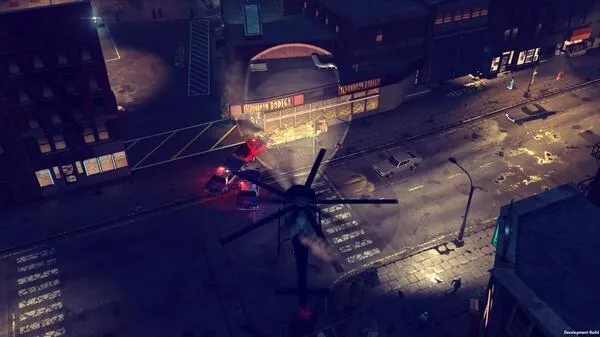
Master Random Street Crimes in The Precinct. Respond to dynamic events in Vice City to earn income, XP, and precinct reputation as you patrol.
As a rookie officer in the bustling streets of Vice City, responding to random street crimes is not just part of your duty – it's the lifeblood of your career progression. These dynamic events are your primary source of income, experience points (XP), and crucial reputation with the precinct. They keep the city alive and ensure no two patrols are ever quite the same. Ignoring them means missing out on vital resources and opportunities to shape your officer's story.
These incidents manifest as flashing icons on your mini-map, often accompanied by urgent radio dispatches from central command. While some are straightforward, others can escalate rapidly, demanding quick thinking and tactical prowess. Always assess the situation before engaging, and remember: every successful resolution contributes to your overall performance rating and can even unlock deeper narrative elements.
Identifying Street Crimes: Mini-Map Icons & Radio Dispatches
Your mini-map is your most valuable tool for spotting ongoing criminal activity. Different crime types are represented by distinct, flashing icons, allowing you to quickly prioritize and respond. Pay close attention to the radio chatter as well; dispatch will often provide crucial context, suspect descriptions, or even potential hazards.
Crime Iconography Guide:
- Blue Handcuffs Icon: Indicates a minor disturbance or petty crime, such as shoplifting, public intoxication, or a noise complaint. These are typically low-risk and often resolved with a simple arrest or warning.
- Red Gun Icon: Signals an armed robbery, assault with a deadly weapon, or a shootout in progress. These are high-risk situations requiring immediate and tactical intervention. Expect armed resistance.
- Yellow Car Icon: Denotes a vehicle-related crime, such as a carjacking, hit-and-run, or a high-speed chase. These often require vehicular pursuit and can involve multiple suspects.
- Green Dollar Sign Icon: Represents a financial crime, such as a bank robbery or an ATM heist. These are usually well-organized and can involve multiple perpetrators, hostages, or explosives.
- White Person Icon (with Question Mark): Indicates a missing person report or a suspicious individual. These often involve investigation and searching a designated area, sometimes leading to a confrontation.
- Orange Fist Icon: Signifies a brawl, street fight, or gang-related violence. These can involve multiple unarmed or melee-weapon-wielding suspects.
Responding to Crime: Step-by-Step Engagement
Once you've identified a crime, your approach can significantly impact the outcome. Here’s a general guide:
- Assess the Threat: Before arriving, listen to the radio dispatch for details on suspect numbers, weapons, and potential hostages. Observe the scene from a safe distance if possible.
- Secure the Perimeter (Optional but Recommended): For high-risk crimes, consider blocking off streets or calling for backup (if available) to contain the situation.
- Verbal Commands: Always start with clear, authoritative verbal commands. Many suspects will comply, especially in minor incidents. Use your megaphone for wider reach.
- De-escalation vs. Force: Attempt to de-escalate if possible. However, be prepared to use appropriate force. Your taser is effective against unarmed or lightly armed suspects. Your service pistol is for armed threats.
- Subdue and Arrest: Once suspects are incapacitated or surrender, approach cautiously. Use the prompt to arrest them. Ensure all suspects are apprehended.
- Secure the Scene: After arrests, look for evidence, recover stolen goods, or assist victims. This often involves interacting with highlighted objects or NPCs.
- Report to Dispatch: Once the situation is resolved, a prompt will appear to report back to dispatch, concluding the incident and awarding your rewards.
Rewards and Progression
Successfully resolving street crimes is crucial for your career. Rewards scale with the difficulty and risk of the incident.
Typical Rewards Table:
| Crime Type | Cash Earned (Approx.) | XP Gained (Approx.) | Reputation Boost | Potential Item Drops |
|---|---|---|---|---|
| Petty Theft / Disturbance | $50 - $150 | 50 - 100 | Minor | None |
| Assault / Street Fight | $100 - $250 | 100 - 200 | Moderate | Small Medkit, Ammo Clip |
| Carjacking / Hit-and-Run | $150 - $300 | 150 - 250 | Moderate | Vehicle Repair Kit |
| Armed Robbery / Bank Heist | $300 - $750 | 250 - 500 | Significant | Large Medkit, Armor Plate, Weapon Upgrade Part |
| Gang Shootout / Hostage Situation | $500 - $1000+ | 400 - 750+ | Major | Rare Weapon, Advanced Armor, High-Value Intel |
Reputation: A higher reputation unlocks access to better equipment at the precinct armory, more challenging assignments from your captain, and unique dialogue options with key NPCs.
Unlocking Unique Dialogue and Minor Side Stories
One of the most rewarding aspects of consistently responding to street crimes is the organic development of the game world and its inhabitants. Successfully resolving incidents, especially in specific districts or involving recurring characters, can trigger unique narrative branches.
Examples of Narrative Triggers:
- The Grateful Shopkeeper: Regularly preventing robberies at "Joe's Corner Store" in the Downtown district might lead to Joe offering you a discount on snacks and drinks, or even tipping you off about suspicious activity he's noticed in the neighborhood. This could manifest as a unique dialogue option when you visit his store, or a new, short side mission to investigate his lead.
- The Reformed Gang Member: After multiple encounters and arrests of members from the "Viper Syndicate" in the Industrial Zone, you might find a low-level member, 'Slick' Rick, who you've arrested several times, approaching you outside the precinct. He might offer information on a larger gang operation in exchange for leniency or protection, leading to a multi-stage side quest to dismantle a drug ring.
- The Concerned Citizen: Consistently responding to domestic disturbances or noise complaints in the Residential Area could lead to a recurring NPC, Mrs. Henderson, confiding in you about a deeper problem in her community, such as a local drug dealer or a series of unsolved petty crimes that the precinct hasn't prioritized. This could unlock a series of optional investigations unique to that neighborhood.
- The Rival Officer: Outperforming a specific rival officer (e.g., Officer Miller) on crime statistics in a shared patrol zone might lead to unique, competitive dialogue exchanges at the precinct, or even a challenge from them to see who can resolve the next major incident faster.
These narrative elements are often subtle and require consistent engagement. They add depth to your role as an officer, making your actions feel more impactful on the lives of Vice City's residents and the overall criminal landscape.
Common Pitfalls and Pro Tips
- Don't Rush In: Especially for armed crimes, taking a moment to observe and plan your approach can save your life and prevent unnecessary collateral damage.
- Check Your Ammo: Always ensure your weapons are reloaded before engaging in a firefight. Nothing is worse than clicking an empty chamber mid-combat.
- Use Cover: Vice City is full of environmental cover. Utilize cars, walls, and dumpsters to your advantage during shootouts.
- Prioritize Threats: In multi-suspect situations, identify and neutralize the most dangerous threats (e.g., suspects with automatic weapons) first.
- Non-Lethal Options: Your taser is invaluable for subduing suspects without resorting to lethal force, which can sometimes lead to different outcomes or reputation gains.
- Vehicle Tactics: During car chases, aim for tires to disable vehicles effectively. Be mindful of civilian traffic and pedestrians.
- Explore Districts: Different districts tend to have different crime patterns. Patrolling various areas will expose you to a wider range of incidents and potential narrative triggers.
- Listen to the Radio: Dispatch provides more than just crime alerts; they often give hints about the city's ongoing events, which can sometimes tie into future street crimes or side stories.
By mastering these dynamic encounters, you'll not only keep the streets safe but also carve out your legend as Vice City's finest.
100% Human-Written. AI Fact-Checked. Community Verified. Learn how AntMag verifies content