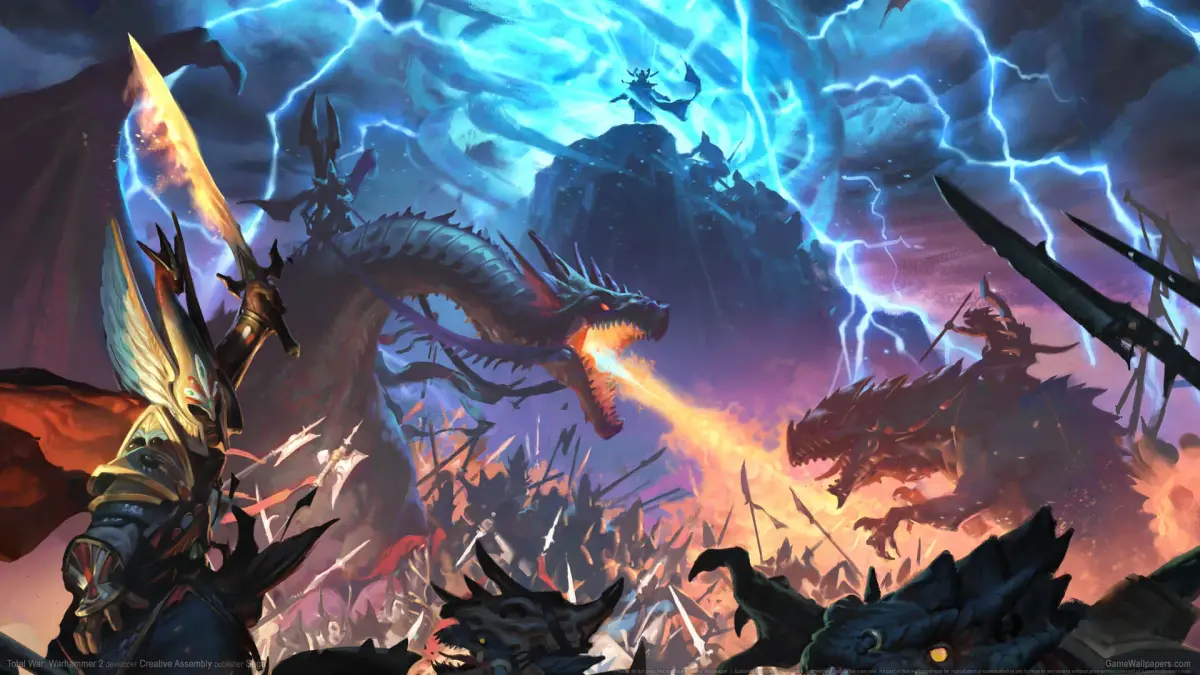
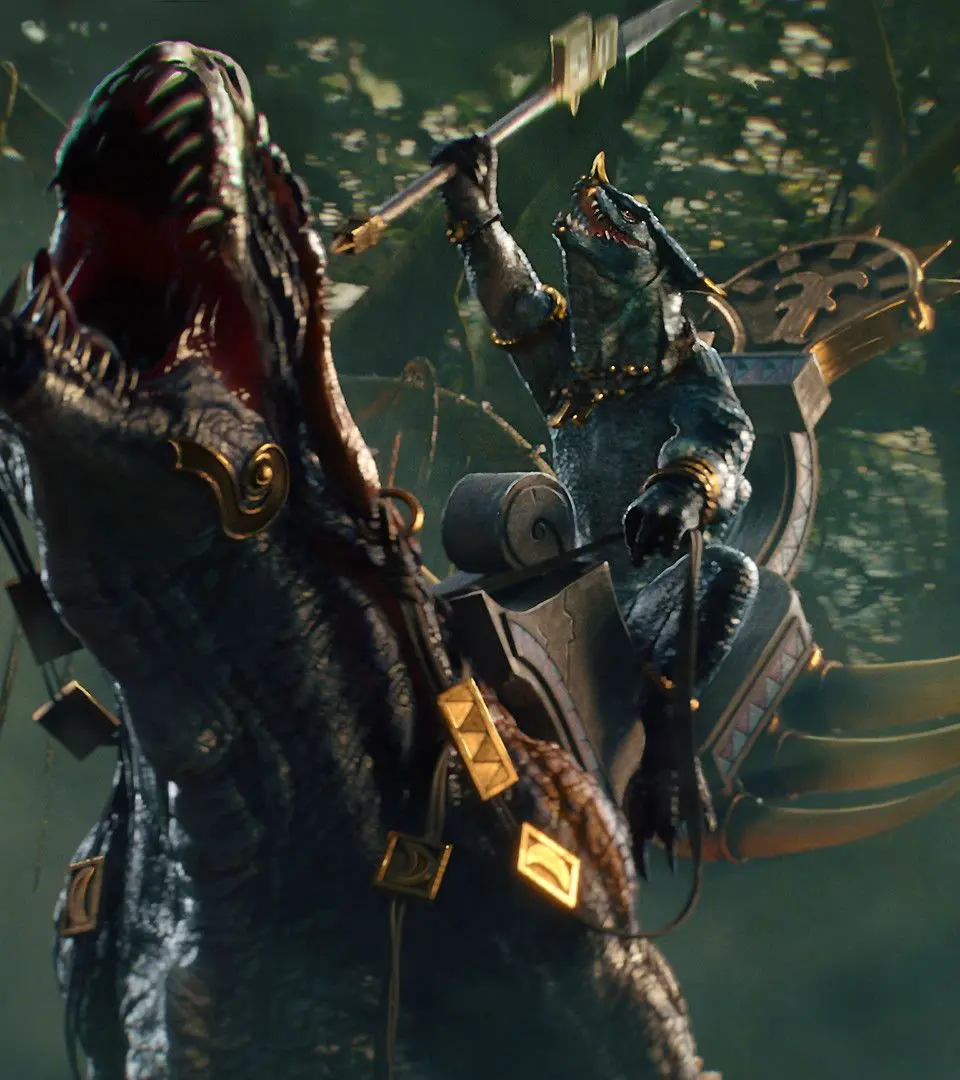
Employ winning Total War: Warhammer II multiplayer strategies. Dominate opponents by mastering the army roster and pre-battle preparation tactics.
Venturing into the multiplayer battlefields of Total War: Warhammer II requires a different mindset than the campaign. Here, every decision, every unit choice, and every micro-management action can be the difference between glorious victory and crushing defeat. This guide will equip you with the knowledge to dominate your opponents.
Pre-Battle Preparation: The Army Roster
Your army composition is paramount. Before even stepping onto the battlefield, consider the following:
- Faction Choice: Each faction has unique strengths and weaknesses. For instance, the High Elves excel with their powerful archers (e.g., Lothern Sea Guard, Sisters of Avelorn) and formidable magic users (e.g., Archmage with the Lore of High Magic). Dark Elves, conversely, thrive on aggressive melee and devastating ranged cavalry like the Dark Riders (Repeater Crossbows). Understand your chosen faction's core identity.
- Budget Allocation: Multiplayer battles typically have a set budget (e.g., 10,000 gold, 12,000 gold). Efficiently spending this budget is crucial. Avoid overspending on a single "super unit" if it leaves the rest of your army vulnerable.
- Counter-Picking: If you know your opponent's preferred faction or playstyle, try to build an army that counters it. For example, if they favor heavily armored units, bring armor-piercing options like Slayers for Dwarfs or Executioners for Dark Elves.
- Lord and Hero Selection: Your Lord is your army's anchor. Choose one that complements your strategy. A melee Lord like Grimgor Ironhide can lead the charge, while a spellcaster Lord like Teclis can provide crucial magical support. Heroes can fill gaps in your roster, offering single-entity damage, anti-large capabilities, or additional spellcasting.
Deployment: The First Strategic Move
Deployment is not just about placing units; it's about setting the stage for your entire battle plan. Consider the terrain, your army's strengths, and your opponent's likely approach.
Standard Formations:
- Frontline: Your durable, high-armor units (e.g., Ironbreakers, Black Orcs) should form your frontline to absorb damage and hold the line.
- Flanks: Fast-moving units, cavalry (e.g., Reavers, Cold One Knights), or skirmishers (e.g., Skink Skirmishers) should be positioned on your flanks to protect against enemy flanking maneuvers or to initiate your own.
- Ranged Core: Archers, crossbowmen, and artillery (e.g., Organ Gun, Bolt Thrower) should be placed behind your frontline, ideally on elevated ground for better line of sight and damage output. Protect them with melee units or anti-flank measures.
- Magic and Lords/Heroes: Position your spellcasters and Lords/Heroes where they can best influence the battle. Spellcasters need clear sightlines for their spells, and Lords should be able to support key engagements.
Terrain Utilization:
- Hills: Provide a significant advantage for ranged units, allowing them to shoot over your frontline and gain a damage bonus. They also slow down charging enemy units.
- Forests: Offer concealment for ambushes and can negate line of sight for ranged units. Use them to hide flanking units or to protect vulnerable units from missile fire.
- Chokepoints: Narrow passages or bridges can be excellent defensive positions, allowing a smaller force to hold off a larger one. Place durable units and area-of-effect spells here.
Battle Tactics: Adapting to the Flow
The battle itself is a dynamic dance of micro-management and strategic decision-making. Be prepared to adapt your plan as the situation evolves.
Early Game:
- Probing Attacks: Send out fast, inexpensive units (e.g., Goblin Wolf Riders, Scouts) to scout enemy positions, identify their army composition, and bait out early spell usage.
- Missile Exchange: If you have a strong ranged contingent, focus fire on high-value targets like enemy Lords, Heroes, or powerful monstrous units. Use "Guard Mode" to prevent your ranged units from charging into melee.
- Cavalry Skirmishing: Use cavalry to harass enemy flanks, disrupt their ranged units, or force them to commit resources to defense.
Mid Game:
- The Main Engagement: Once the lines clash, focus on winning key engagements. Use spells (e.g., Spirit Leech, Wind Blast) to debuff enemies or deal significant damage.
- Flanking Maneuvers: While your frontline is engaged, use your fast units or cavalry to wrap around the enemy's flanks and hit their vulnerable rear or ranged units. This can cause significant morale shock.
- Target Prioritization: Don't just attack the closest unit. Prioritize units that pose the greatest threat (e.g., enemy Lords, powerful spellcasters, artillery) or units that are already weakened.
Late Game:
- Rout and Chase: Once enemy units start to rout, commit fast units to chase them down and prevent them from rallying. This can quickly snowball into a decisive victory.
- Lord/Hero Duels: If both Lords are still alive, a well-timed duel can turn the tide. Use abilities and items (e.g., Potion of Toughness, Sword of Khaine) to gain an advantage.
- Consolidation: As the enemy breaks, consolidate your forces, heal damaged units with spells (e.g., Regrowth), and prepare for any last-ditch efforts from your opponent.
Advanced Strategies:
- Spell Mastery: Understanding the strengths and weaknesses of each Lore of Magic is crucial. For example, the Lore of Life excels at healing and buffing, while the Lore of Fire offers potent offensive spells. Learn common spell combinations and counter-spells.
- Unit Abilities: Many units have unique active or passive abilities. Remember to activate abilities like "Charge Defense Against Large" for spearmen or "Frenzy" for certain melee units at the opportune moment.
- Morale Management: Morale is a hidden health bar. Causing fear, terror, or flanking attacks can quickly break enemy units, even if they have high health. Conversely, protect your own units from morale shocks.
- Focus Fire: Concentrating the fire of multiple ranged units or the attacks of several melee units on a single, high-value target can eliminate threats quickly and efficiently.
100% Human-Written. AI Fact-Checked. Community Verified. Learn how AntMag verifies content