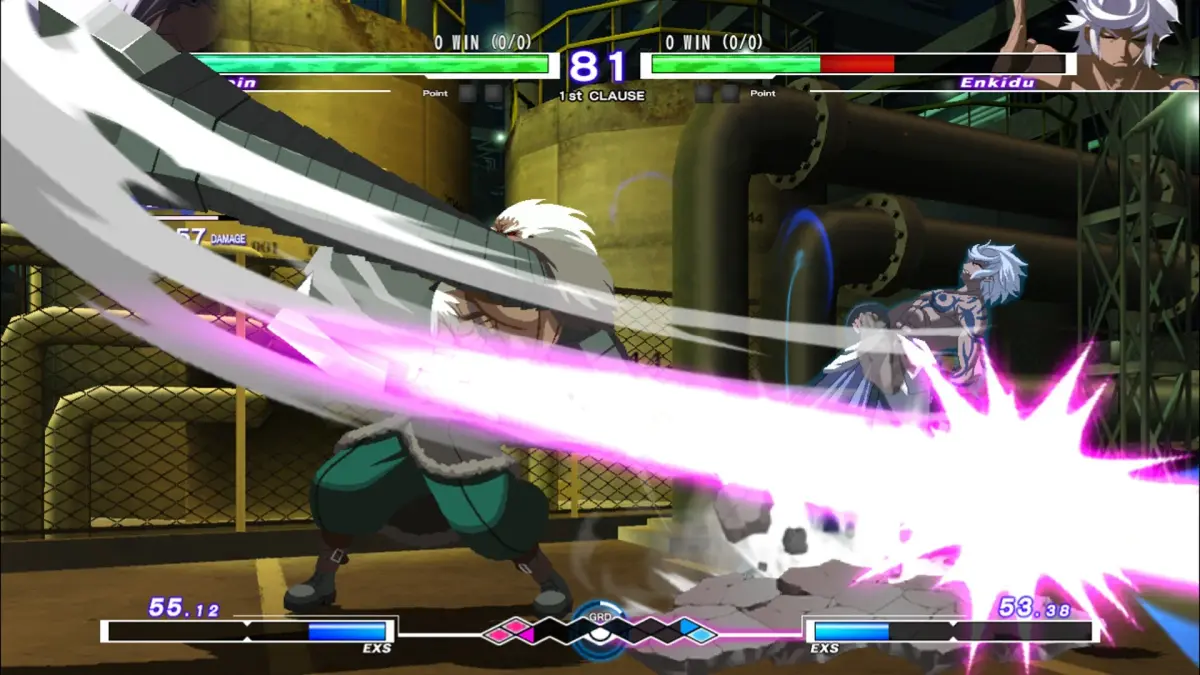
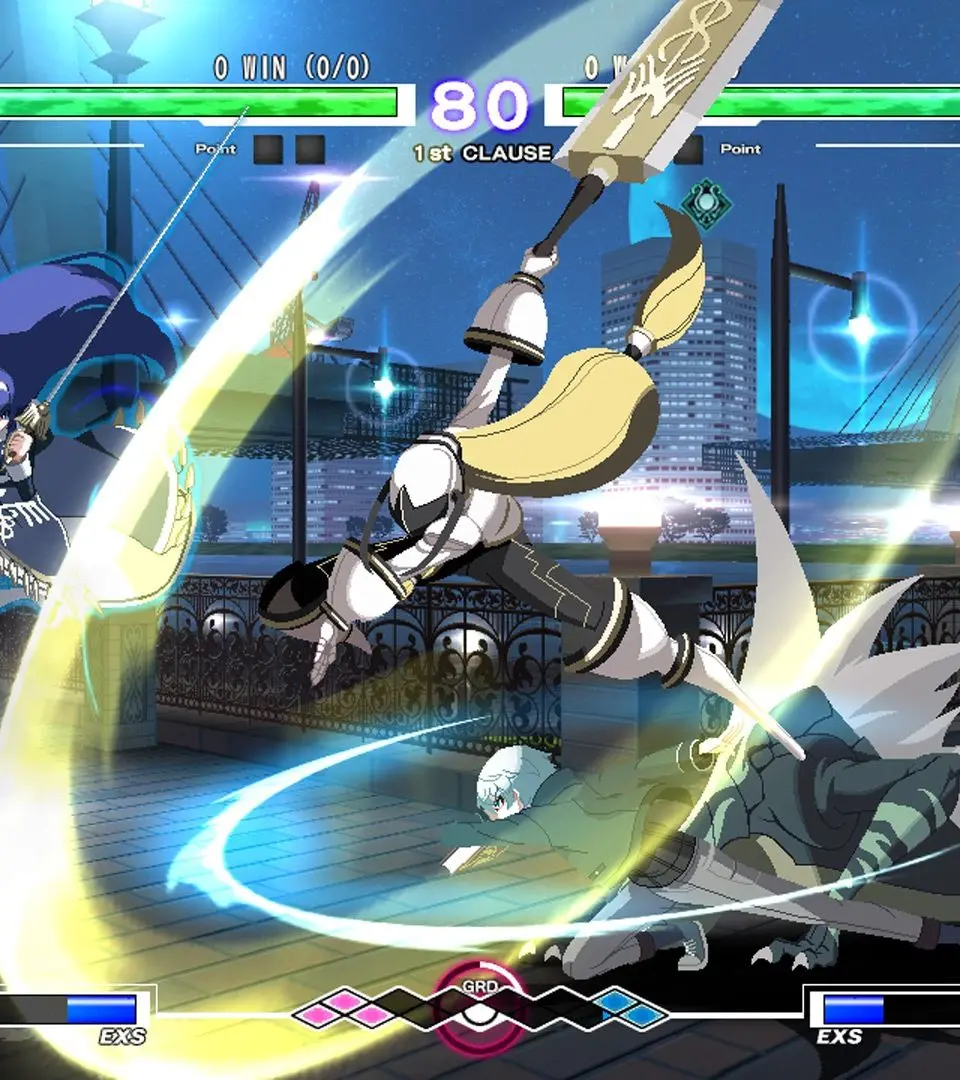
Master Under Night In-Birth Exe:Late[cl-r] by adjusting its difficulty settings. Learn how scaling impacts gameplay and strategies for each challenge level.
Understanding and manipulating Under Night In-Birth Exe:Late[cl-r]'s difficulty settings is crucial for both new players seeking a gentle introduction and veterans looking to push their limits. This section details how difficulty impacts gameplay, how to adjust it, and strategies for overcoming the challenges presented at each level.
Adjusting Difficulty
The primary method for altering the game's challenge level is through the in-game options. While some modes have fixed difficulties, others offer granular control.
- Story Mode: Difficulty is generally fixed for specific story segments to ensure a consistent narrative experience. However, certain pivotal boss encounters may have a slight scaling based on your performance in preceding fights. There are no direct difficulty sliders here.
- Arcade Mode: This is where you'll find the most direct control. From the Arcade Mode character select screen, before starting your run, navigate to the "System Settings" option. Within this menu, you'll find the "CPU Difficulty" slider.
- Versus Mode (CPU): Similar to Arcade Mode, when setting up a match against the CPU, access the "System Settings" from the character select or match setup screen to adjust "CPU Difficulty."
- Training Mode: Difficulty settings are largely irrelevant here, as your opponent's behavior is fully customizable. Focus on setting specific actions and responses for the dummy.
- Chronicle Mode: Like Story Mode, Chronicle Mode features pre-set difficulty for its narrative segments and battles. The challenge here is more about understanding character matchups and specific mission objectives rather than raw CPU skill.
Difficulty Levels Explained
The "CPU Difficulty" slider typically offers several distinct levels, each presenting a different level of challenge and AI behavior. While the exact numerical values aren't displayed, their impact is noticeable:
- Beginner:
- AI Behavior: CPUs are highly passive, rarely block, and often use basic, easily punishable attacks. They have slow reaction times and will frequently walk into your offense.
- Strategy: Ideal for learning character movesets, practicing basic combos, and understanding the flow of a match without pressure. Focus on executing your special moves and EXS attacks.
- Rewards: Standard rewards for Arcade Mode completion.
- Normal:
- AI Behavior: CPUs become more active, blocking more frequently and attempting simple combos. Their reaction times improve, and they might occasionally punish unsafe moves.
- Strategy: A good stepping stone for applying learned techniques in a slightly more challenging environment. Start incorporating basic mix-ups and understanding frame data.
- Rewards: Standard rewards for Arcade Mode completion.
- Hard:
- AI Behavior: CPUs exhibit competent blocking, execute more complex combos, and actively look for openings. They will punish whiffed attacks and unsafe specials with greater consistency. Expect more aggressive play and occasional burst usage.
- Strategy: This level demands a solid understanding of your character, basic defensive options (blocking, teching throws), and simple pressure strings. Start thinking about meter management and when to use your GRD.
- Rewards: Increased IP (In-game Points) for Arcade Mode completion, useful for unlocking gallery items and character colors.
- Very Hard:
- AI Behavior: CPUs become highly aggressive and reactive. They possess near-perfect blocking, execute optimal combos, and will consistently punish even minor errors. Expect advanced defensive techniques like Assault and Shield, and intelligent use of EXS and Chain Shift. They can often read your inputs.
- Strategy: This is where your fundamental skills are truly tested. You'll need strong defense, precise execution, advanced combo knowledge, and excellent GRD management. Learning character-specific matchups becomes vital.
- Rewards: Significantly increased IP for Arcade Mode completion, making it the most efficient way to farm for unlocks.
Scaling and Hidden Modifiers
While the "CPU Difficulty" slider is the main control, be aware of subtle scaling that can occur:
- Arcade Mode Progression: Even within a chosen difficulty, later opponents in Arcade Mode tend to be slightly more challenging than earlier ones, possessing higher damage output or more aggressive tendencies. This is a subtle, unlisted scaling.
- Boss Encounters: Final bosses in Arcade and Story Modes (e.g., Hyde, Linne, or specific Chronicle bosses) often have unique AI patterns and stat boosts that transcend the standard difficulty settings, making them formidable regardless of your chosen level.
- GRD Affinity: On higher difficulties, the CPU is much more adept at winning GRD cycles and utilizing Chain Shift, effectively increasing their damage output and defensive capabilities. This isn't a direct stat boost but an AI advantage.
Recommended Approach
- Start with Beginner/Normal: For new players, begin here to grasp the core mechanics, character moves, and basic combo routes. Don't rush to higher difficulties.
- Progress to Hard: Once you can consistently win on Normal, move to Hard. This is where you'll start developing proper defensive habits and understanding pressure.
- Tackle Very Hard for Mastery: Only attempt Very Hard when you feel confident in your character knowledge, execution, and defensive play. Use it as a benchmark for your skills before venturing into online play.
- Utilize Training Mode: If you're struggling with a particular CPU opponent or a specific aspect of the game, take it to Training Mode. Recreate the scenario and practice your responses without the pressure of a full match.
Remember, consistent practice and understanding the game's systems are far more important than simply cranking up the difficulty. Use the settings to find your sweet spot for learning and enjoyment!
100% Human-Written. AI Fact-Checked. Community Verified. Learn how AntMag verifies content