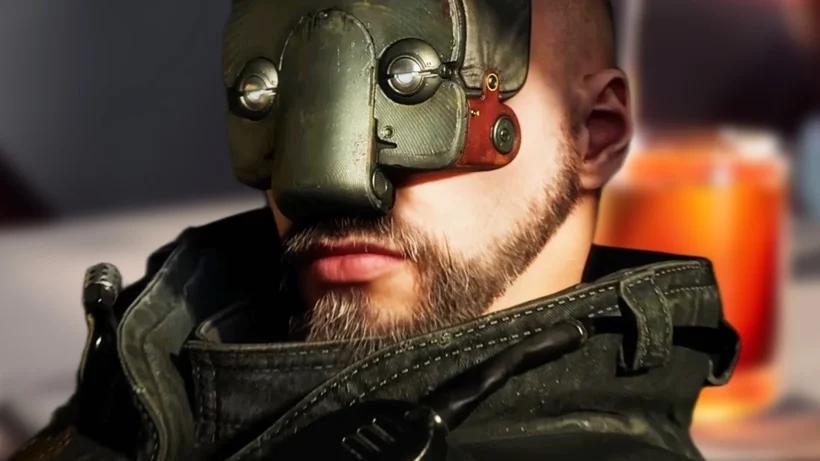
Welcome back to the retrofuturistic nightmare, comrade! Atomic Heart 2 throws you back into the alternate history USSR, this time on a global scale. As Major P-3, you’ll once again be diving headfirst into a world brimming with danger, bizarre automatons, and a story that demands your attention. This action-adventure RPG blends intense combat with deep role-playing elements and the freedom to tackle challenges your way. Prepare for a wild ride through a universe unlike any other.
This guide is your essential companion for navigating the treacherous paths of Atomic Heart 2. We’ll help you conquer every boss, uncover every hidden secret, and make sense of the complex narrative. Whether you're aiming for a perfect playthrough or just trying to survive the onslaught, we’ve got the strategies and insights you need to succeed. Get ready to face new threats and uncover the truth behind the escalating global conflict.
Getting Started & Core Mechanics
Master the core mechanics of Atomic Heart 2, including Polymer Glove abilities and combat strategies, for effective gameplay right from the start.
Getting Started & Core Mechanics
Master the core mechanics of Atomic Heart 2, including Polymer Glove abilities and combat strategies, for effective gameplay right from the start.
Basic Controls & UI — Atomic Heart 2 Guide
Navigate Atomic Heart 2 with ease. Learn the basic controls and understand the in-game UI elements to manage your actions and environment effectively.
Basic Controls & UI — Atomic Heart 2 Guide
Navigate Atomic Heart 2 with ease. Learn the basic controls and understand the in-game UI elements to manage your actions and environment effectively.
Heads-Up Display (HUD) Explained — Atomic Heart 2 Guide
New to Atomic Heart 2? This guide breaks down the Heads-Up Display (HUD) elements so you know exactly what's happening on screen. Master your interface!
Hey there! So, you're diving into Atomic Heart 2 and wondering what all those icons and bars on your screen mean? Don't sweat it, that's your Heads-Up Display, or HUD, and it's your best friend for staying alive and knowing what's going on. Think of it as your co-pilot, constantly feeding you crucial info. We'll break down each part so you can focus on the action, not on deciphering symbols.
Atomic Heart 2 is shaping up to be a massive action-adventure RPG, and understanding your HUD is key to navigating its rich, retrofuturistic world. This sequel takes the story and gameplay to a global scale, so knowing your interface inside and out will give you a serious edge. Let's get you up to speed on what everything means!
Inventory Management Basics — Atomic Heart 2 Guide
Master inventory management in Atomic Heart 2. Learn to efficiently organize your collected resources and gear to ensure you are always prepared.
Effective inventory management is a cornerstone of survival in Atomic Heart 2. As Major Sergey Nechaev, you'll constantly be acquiring new weapons, ammunition, crafting materials, and consumables. Juggling these items while ensuring you have the right tools for the job requires a systematic approach. This section will guide you through the intricacies of the inventory system, helping you make the most of your limited carrying capacity and always be prepared for the challenges ahead.
The inventory in Atomic Heart 2 is more than just a place to store items; it's a strategic resource. Understanding how to organize, prioritize, and utilize your inventory will directly impact your combat effectiveness and your ability to progress through the game's demanding environments. From managing ammunition for your favorite weapons to ensuring you have enough healing items, a well-managed inventory is a key to success.
Accessing and Navigating the Inventory
To access your inventory, you'll typically press a dedicated button (often 'Tab' on PC or the Touchpad/View button on consoles). Once open, you'll see a grid or list displaying all the items you currently possess. The interface usually categorizes items, making it easier to find what you're looking for. Common categories include weapons, ammunition, consumables (like health packs and polymér energy refills), and crafting materials.
Item Management Strategies
With limited inventory space, making smart choices about what to keep and what to discard is essential.
- Prioritize Ammunition: Always ensure you have sufficient ammunition for your primary weapons. If you're finding yourself constantly running low, consider carrying less ammo for less-used weapons or focusing on weapons that share ammo types.
- Consumables are Key: Health packs and polymér energy refills are lifesavers. Keep a healthy stock of these, especially before venturing into new or dangerous areas.
- Crafting Materials: While important for upgrades and crafting, these can take up significant space. Prioritize materials needed for immediate upgrades or essential items. You can often craft items at workbenches, so don't hoard excessive amounts if space is tight.
- Weapon Management: You can typically carry a limited number of primary weapons. Choose a balanced loadout that covers different combat scenarios (e.g., a long-range rifle, a close-quarters shotgun, and a versatile pistol).
- Discarding Items: If your inventory is full and you need to pick up something essential, don't hesitate to discard less valuable items, such as low-tier crafting materials or excess ammunition for weapons you rarely use.
Weapon and Upgrade Management
Your weapons are your primary tools for combat. The inventory screen is where you'll manage them, equip them, and often access upgrade stations.
- Equipping Weapons: You can typically equip weapons directly from the inventory screen. Ensure your most frequently used weapons are readily accessible via your quick-select slots.
- Weapon Upgrades: At workbenches, you can use collected resources to upgrade your weapons, enhancing their damage, accuracy, reload speed, and unlocking new firing modes or attachments.
- Selling/Dismantling: Some games allow you to sell unwanted weapons or items for currency, or dismantle them to reclaim crafting materials. Check the inventory interface for these options.
100% Human-Written. AI Fact-Checked. Community Verified. Learn how AntMag verifies content