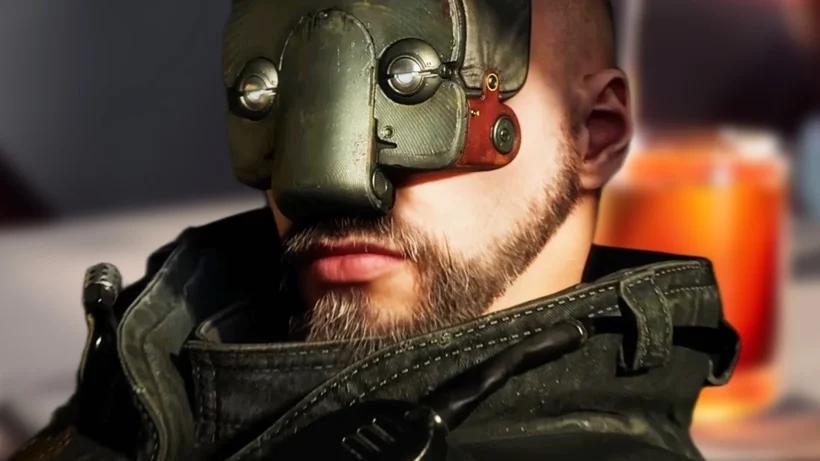
Break down Atomic Heart 2 enemy weaknesses. Exploit hollow soldiers with Electro damage, Bears with explosives, and Natasha's coolant vents.
Navigating the perilous landscapes of Atomic Heart 2 requires a deep understanding of the enemy roster and their specific vulnerabilities. Exploiting these weaknesses is key to conserving ammunition and resources, and ultimately, to survival. From the common automatons to the terrifying boss encounters, each foe presents a unique challenge that can be overcome with the right approach.
The basic robotic units, such as the Hollow Soldier and the Robot Dog, share common vulnerabilities. Both are susceptible to electrical damage, making the Electro weapon a highly effective choice. A charged shot from the Electro can often stun these units, leaving them open for critical hits or a follow-up melee attack. The Robot Dogs, in particular, have a weak point in their exposed power core, which can be targeted for massive damage. aim for headshots or exposed circuitry whenever possible.
More specialized enemies, like the hulking Bear, possess different weaknesses. While resistant to ballistic damage, the Bear is highly vulnerable to explosive attacks and sustained energy weapon fire. Its slow movement speed can be exploited by kiting and using environmental hazards, such as explosive barrels, to your advantage. When facing the formidable boss Natasha, players will discover that her primary weakness lies in her exposed coolant vents, which appear after she performs certain powerful attacks. Targeting these vents with high-damage weapons, such as the Shotgun with its spread or the charged beam of the Laser, will significantly shorten the fight. Additionally, the Frostbite glove ability can temporarily freeze Natasha, creating crucial openings to exploit these weak points. Understanding these specific vulnerabilities, such as the Testing Ground 6's unique robotic guardians, will allow players to tailor their loadouts and strategies for maximum efficiency.
100% Human-Written. AI Fact-Checked. Community Verified. Learn how AntMag verifies content