
Welcome, future space explorer! Kerbal Space Program 2 throws you into the cockpit of the Kerbal Space Agency, tasking you with building rockets, flying them, and exploring a vast solar system. It's a physics-driven sandbox where you'll learn the ropes of rocket science, interplanetary travel, and establishing bases on alien worlds. Whether you're aiming for your first successful launch or dreaming of interstellar outposts, KSP2 offers endless possibilities for those who love to tinker, explore, and conquer the cosmos.
This guide is your co-pilot for the entire journey. We'll cover everything from mastering the intricacies of rocket assembly and achieving successful launches to navigating the challenges of interplanetary travel and setting up your first permanent bases. Get ready to tackle every mission, discover every secret, and ultimately, help you conquer the galaxy.
Overview
Welcome to Kerbal Space Program 2! This guide gives you the rundown on what the game is all about, from building rockets to exploring the cosmos. Let's get started!
Overview
Welcome to Kerbal Space Program 2! This guide gives you the rundown on what the game is all about, from building rockets to exploring the cosmos. Let's get started!

Suborbital Hop
Learn how to perform a suborbital hop in Kerbal Space Program 2 with this quick guide. Master basic rocket control and atmospheric flight to reach the edge of space and return safely.
- 1Design a Simple Rocket: Start with a basic command pod, a small fuel tank, and a suitable engine. Ensure you have enough fuel for ascent and a small amount for course correction.
- 2Launchpad Preparation: Place your rocket on the launchpad. Check that all parts are connected correctly and that you have sufficient fuel.
- 3Ascent: Ignite the engine and gradually increase throttle. Aim for a vertical ascent initially.
- 4Pitch Over: Once you reach an altitude of a few kilometers, begin to pitch your rocket over towards the horizon (usually east). Maintain a controlled ascent angle.
- 5Apogee: Continue thrusting until your rocket reaches the desired altitude for a suborbital trajectory. Your apoapsis (highest point of your trajectory) should be above the atmosphere (around 70-100 km).
- 6Cutoff and Coast: Shut down the engine once you've reached your target apoapsis. The rocket will continue to ascend due to inertia.
- 7Deorbit Burn (Optional but Recommended): As your rocket begins to descend from its apoapsis, you can perform a small burn to reduce your horizontal velocity and ensure a safer landing. Aim to burn retrograde (against your direction of travel) when you are near apoapsis.
- 8Re-entry and Landing: As the rocket re-enters the atmosphere, it will slow down due to drag. Deploy parachutes at a safe altitude (typically below 10,000 meters) to ensure a soft landing.
- Keep your rocket design simple for your first few attempts.
- Use the staging system to manage your fuel and engine burns effectively.
- Monitor your trajectory on the map view to understand your flight path.
- Practice makes perfect! Don't be discouraged by early failures.
- Ensure your rocket has enough delta-v for the ascent and any necessary burns.
Duna Landing
Landing on Duna is a major milestone in KSP2. This guide helps you plan your mission, design your lander, and execute a successful landing on the Red Planet.
Hey there! So, you're ready to set foot on Duna, huh? That's awesome! Landing on another planet is a huge step in KSP2, and it's totally doable with a bit of planning. Think of this as your friendly nudge in the right direction.
Mission Planning:
- Launch Window: First things first, you need to launch when Kerbin and Duna are in a good position. This means waiting for a transfer window. You can use tools like the in-game map or external websites to figure out the best time to leave Kerbin.
- Delta-V Budget: You'll need enough fuel (delta-V) for the journey to Duna, braking into orbit, landing, and ideally, having enough left to get back to orbit for a return trip (though we'll focus on just landing for now).
- Lander Design: Your lander needs to be sturdy. Duna has a thin atmosphere, so parachutes help, but you'll likely need engines for a powered descent. Make sure it's got enough fuel, a good engine for landing, landing legs, and of course, a command pod for your brave Kerbal.
The Landing:
- Orbital Insertion: Once you're nearing Duna, you'll need to burn your engines retrograde (against your direction of travel) to slow down and enter orbit.
- De-orbit Burn: To start your descent, you'll want to burn retrograde again at the point in your orbit that will put your periapsis (lowest point) just inside Duna's atmosphere or even on the surface.
- Atmospheric Entry: As you hit the atmosphere, your heat shield will do its job. You'll slow down considerably here. Deploy parachutes when you're slow enough and low enough – Duna's atmosphere is thin, so they won't do all the work!
- Powered Descent: As you get closer to the surface, you'll likely need to fire your landing engines to control your descent rate. Aim for a gentle touchdown.
Pro-Tips:
- Test Everything: Before you send a Kerbal, test your lander design in the VAB (Vehicle Assembly Building) and maybe even do a few practice runs around Kerbin or the Mun to get a feel for it.
- Save Often: Seriously, save your game before critical maneuvers. It's a lifesaver!
- Don't Be Afraid to Experiment: KSP2 is all about learning. If a landing doesn't go perfectly, figure out why and try again. That's how you become a true space explorer!
Landing on Duna is one of those moments that feels incredibly rewarding. Take your time, plan carefully, and you'll be planting that flag in no time!
Duna Flyby
Plan a Duna Flyby in Kerbal Space Program 2. Utilize transfer windows and delta-V for a successful intercept and return journey to Kerbin.
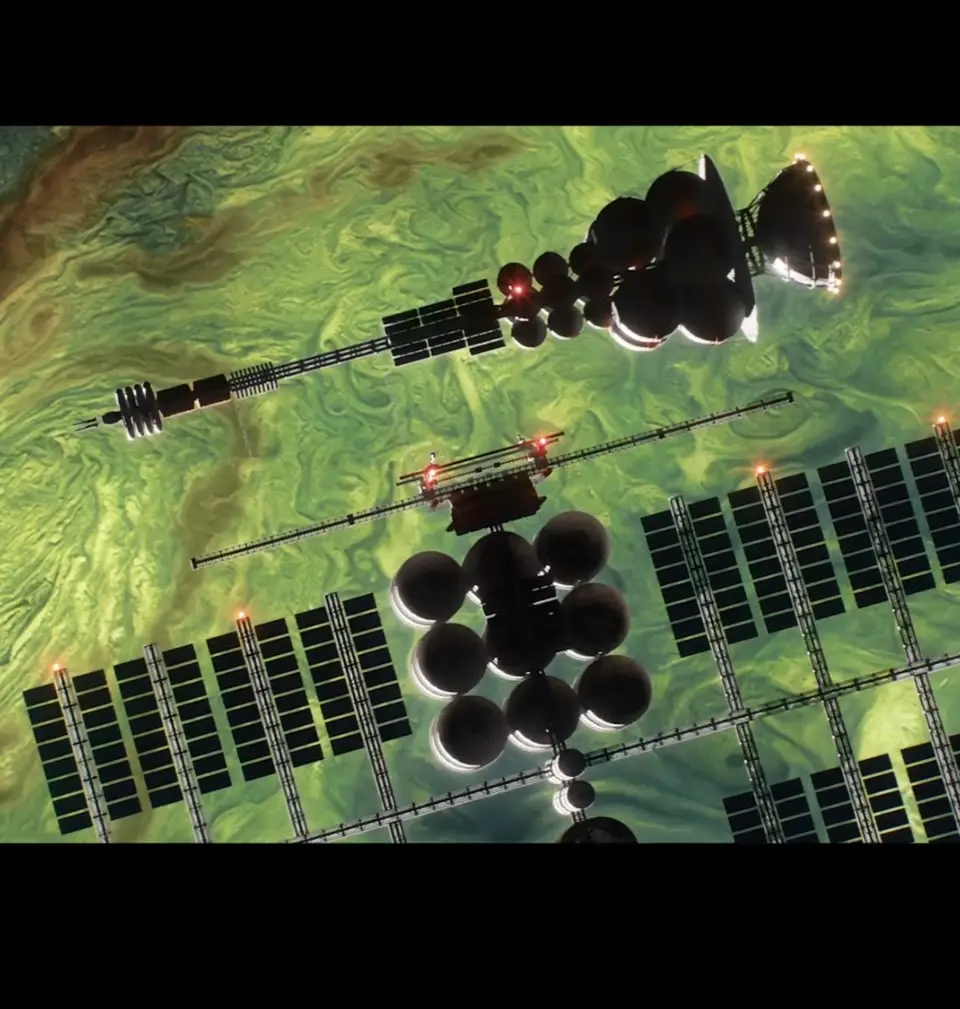
The 'Duna Flyby' mission is your first step to another planet. Identify the optimal transfer window using the Kerbal Alarm Clock or a similar tool. Plan a powerful burn to escape Kerbin's sphere of influence and intercept Duna. Use Duna's gravity for a slingshot maneuver if possible, then return to Kerbin. This mission emphasizes precise timing and efficient delta-V management for long-duration space travel. pack plenty of solar panels.
Similar guides you might like



100% Human-Written. AI Fact-Checked. Community Verified. Learn how AntMag verifies content