
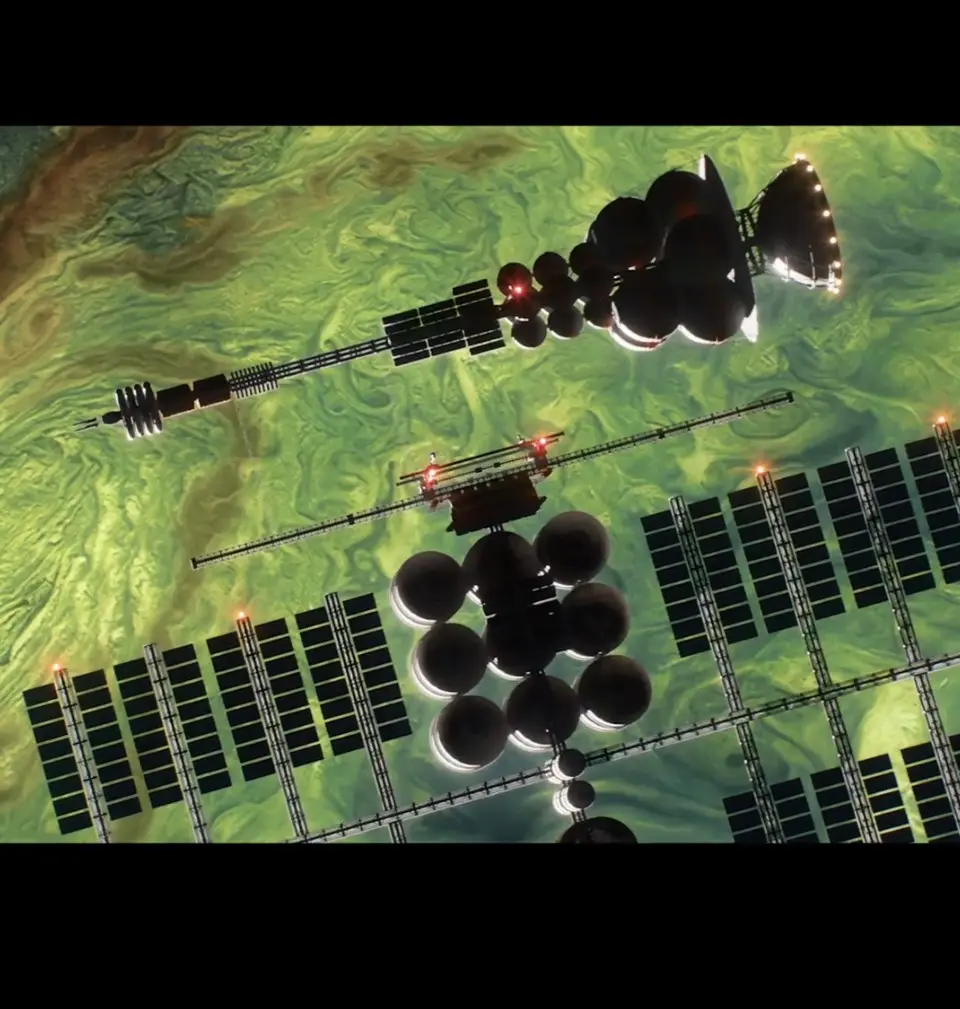
Master Delta-V and Thrust-to-Weight Ratio (TWR) in Kerbal Space Program 2. Learn essential strategies for efficient rocket design and successful space missions.
This guide will cover optimizing Delta-V and Thrust-to-Weight Ratio (TWR) in Kerbal Space Program 2. Understanding these two concepts is crucial for designing efficient rockets and achieving your mission objectives.
Walkthrough
- 1Delta-V: This represents the change in velocity a spacecraft can achieve. Higher Delta-V allows for more complex maneuvers and longer missions. It is influenced by engine efficiency (Isp) and the mass ratio of your rocket stages.
- 2Thrust-to-Weight Ratio (TWR): This is the ratio of the thrust generated by your engines to the weight of your spacecraft. A TWR greater than 1 is required for liftoff from a celestial body with an atmosphere and gravity. Higher TWR generally means faster ascent but can be less fuel-efficient.
- 3Optimization: Balancing Delta-V and TWR is key. You need enough TWR to overcome gravity and atmospheric drag during ascent, but excessive TWR can lead to wasted fuel. For upper stages and in-space maneuvers, a lower TWR is often acceptable and more fuel-efficient.
- 4Design Considerations: Choose engines with appropriate Isp for different mission phases. Lighter upper stages with high Isp are ideal for orbital maneuvers, while lower stages require more thrust (higher TWR) for liftoff.
Tips
- Use the maneuver planner in KSP 2 to estimate Delta-V requirements for your missions.
- Consider staging carefully; jettisoning empty fuel tanks and engines reduces weight, improving the TWR and efficiency of subsequent stages.
- For atmospheric ascent, ensure your TWR is sufficient to climb quickly through the thickest parts of the atmosphere.
- In space, a lower TWR is perfectly acceptable and often preferred for precise burns and fuel conservation.
100% Human-Written. AI Fact-Checked. Community Verified. Learn how AntMag verifies content