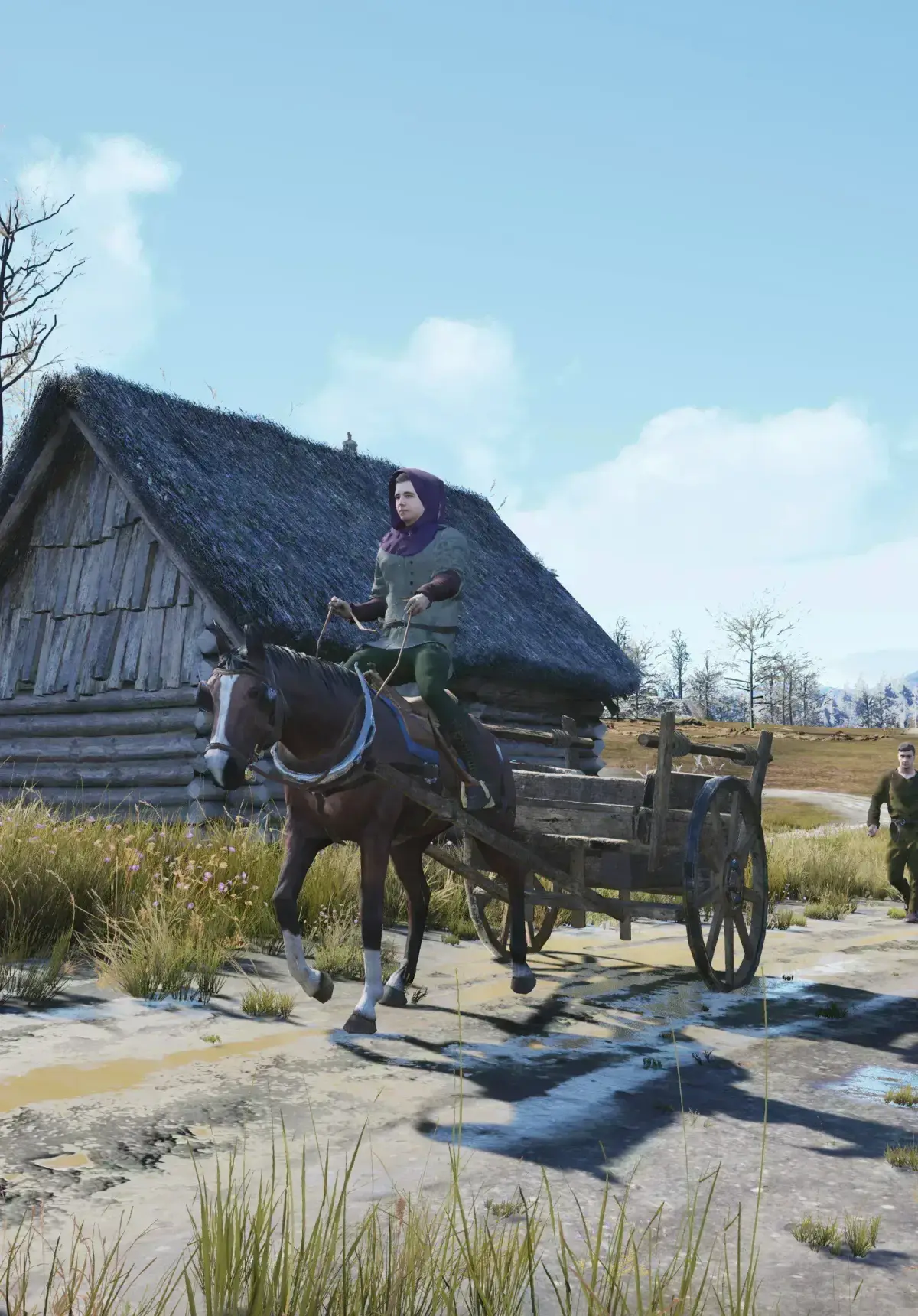
Learn how to make shoes in Manor Lords! This guide covers building a Cobbler's Workshop, sourcing hides, and crafting leather for your villagers.
Alright, so you want to get your villagers kitted out with some fresh kicks, huh? Making shoes in Manor Lords is pretty straightforward, but it involves a few steps. You'll need to get your Burgage Plots up to Level 2, build a special workshop, and make sure you've got the raw materials ready to go. Let's break it down so you can get those shoes rolling out!
Here's what you need to do to start making shoes:
- Make sure you have a Level 2 Burgage Plot with an available Extension slot.
- Build a Cobbler’s Extension on that Burgage Plot.
- You'll also need to build a Tannery. You can find this under the Industrial building tab.
- Finally, you need to have a steady supply of Hides and Leather.
So, to get that Cobbler's Workshop up and running, you'll need to spend 5 Regional Wealth and 5 Planks. Once that's done, you'll need to construct the Tannery. Someone in your settlement will then need to gather hides and process them into leather before the cobbler can even think about making shoes.
Where to get Hides:
Getting your hands on Hides is key. Here are your best options:
- Build a Goat Shed: This is a good way to get passive Hides right from your Burgage Plots.
- Hunting: Set up a Hunting Camp to hunt wild animals. This can give you bursts of Hides.
- Developments: Invest in the Trapping and Pelt Extraction Developments. These cost two Development Points but will passively generate Meat and Hides for your settlement over time. This is great for a long-term supply.
- Trading: You can buy Hides or Leather directly from the Trading Post. It'll cost you between 14 and 16 Regional Wealth per unit. To get a reliable supply, you'll want to set up a trade route for it.
Remember, the Tannery is essential for turning those Hides into Leather, which is what the Cobbler actually needs to make shoes. Don't skip that step!
For passive Hides, the Goat Shed and Hunting Camp are your go-to buildings. The Goat Shed is super reliable for a steady income, while Hunting Camps can give you quicker, larger amounts if you need them fast. If you're serious about making a lot of shoes long-term, those Developments for passive pelts and trading for Hides are definitely worth investing in to keep your stock high.
Quick Tip: If you're aiming to meet the requirements for Level 3 Burgage Plots, you might find it easier to focus on making clothes and cloaks instead. Linen and Wool are generally easier to come by than Leather. Also, while Dyes can be a bit tricky if your town gets too big, it's usually much simpler to stockpile berries for dyes than it is to maintain a consistent supply of Leather year-round.
100% Human-Written. AI Fact-Checked. Community Verified. Learn how AntMag verifies content