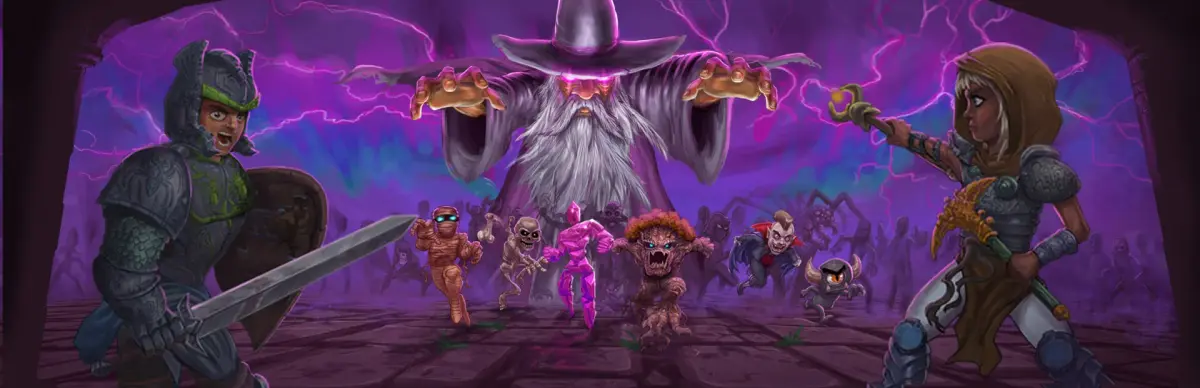
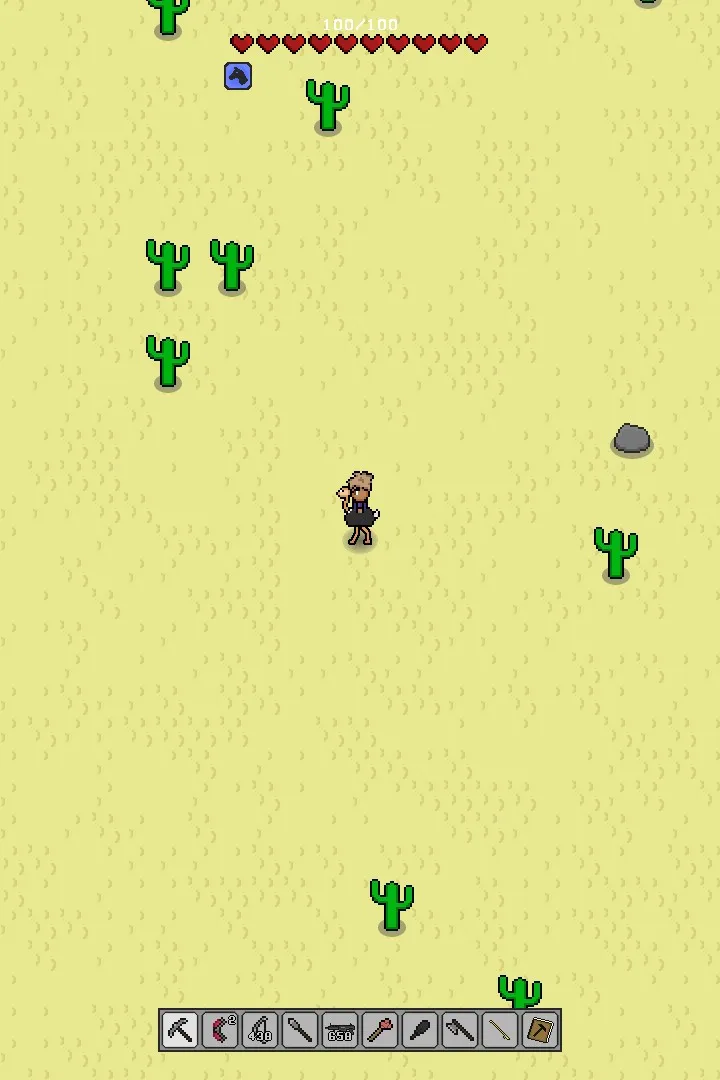
Necesse: Master advanced combat with enemy patterns, positioning, and buffs. Learn to dodge, kite, and control crowds for victory.
Necesse's combat is a dynamic dance of offense, defense, and environmental awareness. Moving beyond basic attacks, advanced strategies involve understanding enemy AI, mastering movement mechanics, leveraging consumables and buffs, and strategically employing weapon and skill synergies. This section delves into these deeper layers to equip you for the game's most challenging encounters.
Understanding Enemy AI and Patterns
Every creature in Necesse, from the smallest slime to the most imposing boss, operates on a set of predictable behaviors. Recognizing these patterns is the bedrock of advanced combat. Pay close attention to:
- Attack Tells: Most enemies telegraph their attacks with distinct animations, sounds, or visual effects. A charging enemy might rear back, a spellcaster might raise their staff, or a melee foe might wind up their swing. Learning these cues allows for precise dodges and blocks.
- Movement Patterns: Enemies move in predictable ways. Some charge directly, others circle, and ranged attackers will often try to maintain a specific distance. Understanding these movement patterns helps you anticipate their position and plan your own movements accordingly.
- Aggro Radius and Targeting: Enemies typically aggro (become hostile) when you enter a certain radius or attack them. Some prioritize the closest target, while others might target players with lower health or specific debuffs.
- Weaknesses and Resistances: Different enemy types have varying vulnerabilities and resistances to damage types (slashing, blunt, piercing) and elemental effects (fire, ice, poison, etc.). Exploiting these can drastically shorten fight times and reduce incoming damage. For example, skeletons are often weak to blunt damage, while fire elementals are immune to fire.
Mastering Movement and Positioning
Your character's agility and tactical positioning are as critical as their offensive capabilities. Effective movement can mean the difference between victory and defeat.
- Dodging: The dodge roll (typically bound to Shift or a dedicated key) is your primary defensive tool. It grants a brief period of invincibility. Mastering the timing of your dodges, executing them just before an attack lands, is crucial for avoiding damage.
- Kiting: This strategy involves drawing enemies towards you while maintaining a safe distance and attacking when opportunities arise. It's particularly effective against fast-moving melee enemies or those with dangerous area-of-effect (AoE) attacks.
- Flanking and Backstabbing: When facing multiple enemies, try to maneuver around them to attack from their sides or rear. Many weapons gain bonus damage or critical hit chances when attacking from behind.
- Environmental Utilization: The game world is your ally.
- Choke Points: Lure enemies into narrow passages or doorways where you can engage them one or two at a time, preventing them from surrounding you.
- Cover: Use natural obstacles like rocks, trees, or structures to break line of sight for ranged enemies or to create temporary safe zones.
- Elevation: In some areas, higher ground can provide a defensive advantage, making it harder for some enemies to reach you or giving you a better vantage point for ranged attacks.
Effective Use of Consumables and Buffs
Consumables are not just for emergencies; they are vital strategic tools that can significantly enhance your combat performance.
- Pre-Buffing: Before engaging in difficult encounters, especially boss fights, consume potions that provide temporary buffs.
- Strength/Attack Potions: Increase your damage output.
- Defense/Armor Potions: Reduce incoming damage.
- Speed Potions: Increase movement and attack speed, aiding in kiting and evasion.
- Resistance Potions: Grant temporary immunity or resistance to specific elemental damage types (e.g., Fire Resistance Potion before fighting a lava-based boss).
- In-Combat Healing: Keep your most potent healing potions hot-keyed for immediate use. Don't hesitate to use them; a well-timed heal can save your life.
- Stamina Management: Stamina is consumed by attacking, dodging, and sprinting. Stamina potions can be crucial for prolonged fights where you need to maintain a high tempo of actions.
- Food Buffs: Cooked meals provide various passive buffs, such as increased health regeneration, increased maximum health, or improved stamina regeneration. Always aim to have a good food buff active before venturing into dangerous territory.
Weapon and Skill Synergies
Necesse offers a diverse arsenal, and understanding how your chosen weapons and available skills interact is key to maximizing your combat effectiveness.
- Melee Weapons:
- Swords: Offer a balance of speed and damage, good for sustained combat.
- Hammers: Slower but deal high damage and possess a significant stagger effect, capable of interrupting enemy attacks and creating openings.
- Spears: Provide excellent reach, allowing you to attack from a safer distance than swords or hammers.
- Axes: Often have a good balance of speed and damage, with some having unique abilities like cleaving through multiple enemies.
- Ranged Weapons:
- Bows: Require arrows as ammunition. Offer good range and a decent rate of fire.
- Crossbows: Slower to reload but typically deal higher damage per shot than bows.
- Magic: Magic is a powerful combat option unlocked by crafting and equipping staves. Each staff corresponds to a different element or spell type.
- Accessing Magic: To use magic, you must craft or find a Staff (e.g., Fire Staff, Ice Staff, Lightning Staff) and equip it. Magic consumes mana, which regenerates over time or can be replenished with mana potions.
- Spellcasting: Spells are cast using the same attack button as weapons. They often have unique effects, such as area damage, crowd control, or debuffs. Mana management is crucial, as spamming spells can quickly deplete your reserves.
- Staff Examples:
- Fire Staff: Shoots fireballs that deal fire damage and can ignite enemies.
- Ice Staff: Fires ice shards that deal ice damage and can slow enemies.
- Lightning Staff: Unleashes bolts of lightning that deal lightning damage and can chain to nearby targets.
- Strategic Use: Magic excels at ranged combat, crowd control, and exploiting elemental weaknesses. It's often best used in conjunction with defensive tactics or to soften up groups of enemies before engaging with melee.
Crowd Control Techniques
Facing a horde of enemies can be overwhelming. Effective crowd control (CC) allows you to manage multiple threats simultaneously.
- Area-of-Effect (AoE) Attacks: These attacks hit multiple enemies within a radius.
- Weapon Examples: Some weapons, like the Obsidian Greatsword (a late-game item), have inherent AoE sweeps. Certain weapon enchantments or unique weapons can also grant AoE properties. Hammers, when swung, can often hit multiple targets in close proximity.
- Spell Examples: Many magic staves offer AoE spells. The Fire Staff's fireball can explode, damaging all enemies in its blast radius. The Ice Staff's Blizzard spell can freeze multiple enemies.
- Effective Use: Group enemies together using movement or environmental features, then unleash your AoE attack. This is highly efficient for clearing out weaker mobs quickly.
- Staggering: Certain attacks, particularly those from heavy weapons like hammers, can stagger enemies. This interrupts their current action, often canceling an attack and leaving them vulnerable for a short period.
- Knockback/Knockdown: Some attacks or spells can push enemies away or knock them to the ground, temporarily removing them from the fight and giving you breathing room.
- Slowing/Freezing: Ice-based spells or items can slow down or completely freeze enemies, making them easy targets or allowing you to escape dangerous situations.
- Separation Tactics: If AoE or CC isn't an option, use your movement and the environment to lure enemies away from their group one by one. This is often achieved by engaging one enemy, then quickly retreating to a safer position before the others catch up.
Example: The Ancient Tomb Encounter
Imagine you've entered an Ancient Tomb and are ambushed by a group of three Skeleton Warriors and two Skeleton Archers. The Archers are positioned on a raised platform, raining arrows down on you.
- Initial Assessment: Identify the immediate threats: the Archers' ranged damage and the Warriors' melee pressure.
- Positioning: Immediately sprint towards the nearest cover (e.g., a pillar or sarcophagus) to block the Archers' arrows.
- Target Prioritization: The Archers are the greater threat due to their range. However, you cannot reach them directly without engaging the Warriors.
- Crowd Control: Equip your Hammer. As the Skeleton Warriors advance, use a charged hammer attack to stagger them, interrupting their approach.
- Exploit Weakness: Skeletons are weak to blunt damage. Continue using your hammer to stagger and deal significant damage to the Warriors.
- Mobility and Ranged Engagement: Once the Warriors are dealt with or significantly weakened, use a Speed Potion to quickly close the distance to the raised platform. Equip a Bow or Staff.
- Eliminate Ranged Threats: Quickly dispatch the Skeleton Archers with your ranged weapon or spells. If using a Fire Staff, their bone structure might be particularly vulnerable to fire.
- Loot and Proceed: Collect any dropped items (bone fragments, arrows, potential loot from the Archers) and continue exploring.
Advanced Tactics: Boss Fights
Bosses are the ultimate test of your combat mastery. Each boss has unique mechanics, phases, and attack patterns that must be learned and countered.
- Research and Preparation: Before challenging a boss, try to gather information about their weaknesses, attack types, and any special mechanics. Prepare a loadout that counters these. This might involve specific elemental resistances, weapons that exploit their vulnerabilities, and a generous supply of the appropriate potions.
- Phase Recognition: Most bosses have distinct phases, often triggered by reaching certain health thresholds. These phases usually involve new attack patterns or increased aggression. Learn to recognize the visual or audio cues that signal a phase change.
- Pattern Memorization: Dedicate time to observing the boss's attack patterns without necessarily trying to win. Understand the wind-up for each attack, its range, and its damage type.
- Resource Management: Boss fights can be long. Carefully manage your health, mana, stamina, and consumable supplies. Don't waste powerful potions on minor threats.
- Environmental Interaction: Some bosses might interact with their environment, or the environment itself might pose a threat. Be aware of falling debris, hazardous terrain, or environmental effects.
- Example: The King's Guard (First Boss)
- Weakness: Vulnerable to piercing damage.
- Attacks: Swings a large sword, performs a charge attack.
- Strategy: Equip a Spear or a Bow with piercing arrows. Use your dodge to evade his wide swings and charge. When he finishes an attack animation, close the distance for a few quick spear thrusts or fire a volley of arrows. If he charges, dodge to the side.
- Pitfall: Getting too close during his charge attack can be fatal.
100% Human-Written. AI Fact-Checked. Community Verified. Learn how AntMag verifies content