
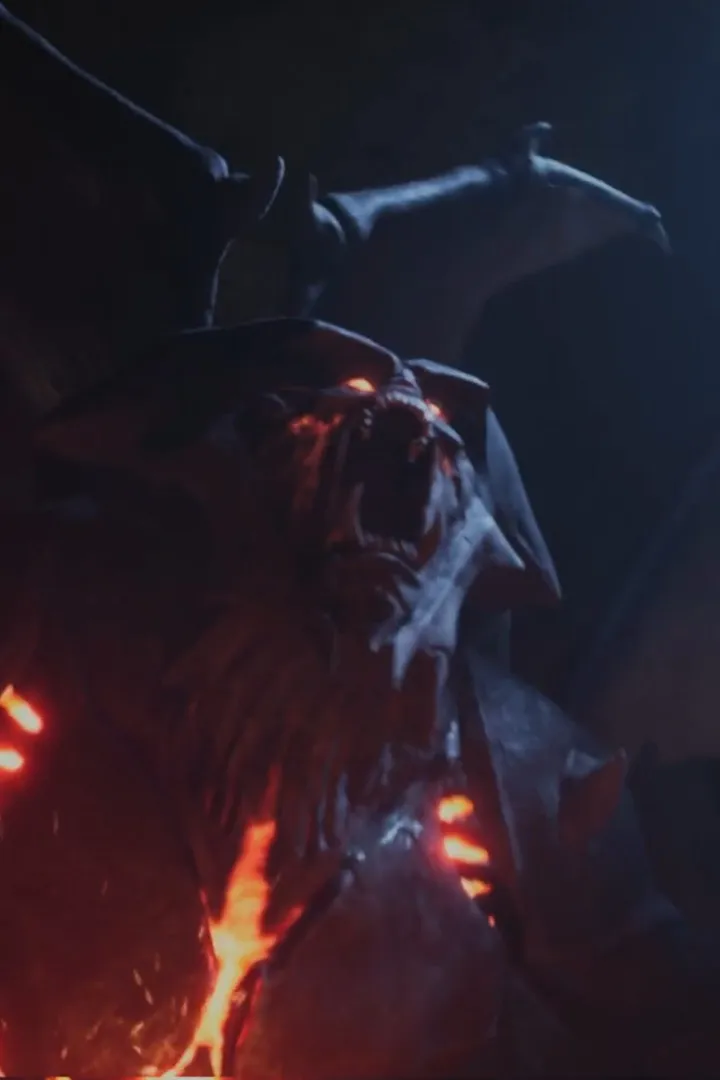
Master Stormgate's world map and regions. Understand terrain, secure resources, and gain strategic advantages to dominate this real-time strategy epic.
Welcome, Commander, to the definitive guide for navigating the dynamic and war-torn landscapes of Stormgate! Success in this real-time strategy epic hinges on a deep understanding of the game's world map, its diverse regions, and the strategic advantages they offer. This guide will equip you with the knowledge to exploit terrain, secure vital resources, and overcome the relentless forces of the enemy factions.
The Shattered Worlds: A Strategic Overview
Stormgate plunges players into a universe fractured by conflict. The primary antagonists, the Legion, a relentless alien force, have invaded and are systematically dismantling human civilization. The game's world map reflects this devastation, presenting a mosaic of contested territories, resource-rich zones, and perilous battlegrounds. Mastering the flow of resources, understanding unit deployment zones, and identifying key strategic locations are paramount for any Commander aiming to repel the Legion and secure humanity's future.
Key Regions of Stormgate
While the full scope of the Legion's invasion is vast, several distinct regions have emerged as critical theaters of operation. Each region presents unique environmental challenges, resource distributions, and enemy compositions that demand tailored strategic approaches.
1. The Verdant Expanse (Starting Region)
The Verdant Expanse serves as the initial staging ground for most campaigns and skirmishes. Designed to onboard new Commanders, this region offers a relatively stable environment with accessible resources, but it is by no means devoid of danger. Expect rolling hills, dense forests, scattered pre-war settlements, and the ever-present threat of Legion scouting parties.
Establishing Your Foothold: The Initial Objective
Your primary early-game objective in the Verdant Expanse is to establish a secure base and begin resource acquisition. This typically involves securing a strategic location that offers both defensive advantages and proximity to vital resource nodes.
- Initial Deployment: You will deploy with your primary Command Center and a small contingent of starting units in a designated safe zone within the Verdant Expanse.
- Scouting for Resources: Immediately deploy your fastest scout units (e.g., the Vanguard Recon Drone or the Legion's Infernal Imp if playing as the Legion) to explore the immediate vicinity. Prioritize locating Iron Ore Veins and Power Generators.
- Establishing Your First Base: Construct your Command Center near a cluster of Iron Ore Veins and a Power Generator. Ensure the area offers some natural defensive cover, such as hills or dense foliage.
- Early Defense: Begin constructing basic defensive structures, such as Vanguard Turrets or Legion Watchtowers, to protect your nascent base from early Legion incursions.
- Resource Harvesters: Train and deploy your Harvesters (e.g., Vanguard's 'M.U.L.E.' or Legion's 'Harvester Bot') to begin extracting Iron Ore and generating Power. These resources are critical for unit production and building construction.
Valuable Resources and Discoveries in the Verdant Expanse
The Verdant Expanse, while seemingly ordinary, holds crucial resources and potential upgrades that can significantly bolster your early-game strength.
- Iron Ore Veins: Abundant throughout the region, these are the primary source of raw materials for unit production and base building.
- Power Generators: Essential for powering your structures and advanced unit abilities. Securing these often involves clearing out minor Legion outposts.
- "Vanguard's Resolve" Medallion (Hero Accessory): Often found in a hidden cache within a ruined farmhouse or a small, abandoned bunker. This accessory typically grants a passive bonus to hero survivability, such as increased health regeneration or damage reduction.
- "Infernal Ignition" Blueprint (Unit Upgrade): Located in a heavily guarded Legion encampment. This blueprint allows for research that grants basic Legion ranged units a chance to inflict a burning debuff on targets, dealing damage over time.
- "Fortification" Schematics (Building Upgrade): Discovered in the remnants of a destroyed Vanguard outpost. These schematics enable the construction of enhanced defensive structures with increased hit points and improved armor plating.
Common Enemies in the Verdant Expanse
The Legion deploys a range of units to probe and assault your positions in the Verdant Expanse.
- Legion Grunts: The standard infantry. Numerous and equipped with basic projectile weapons. Effective in large numbers.
- Legion Brutes: Heavily armored melee units capable of dealing significant damage and breaking through early defenses.
- Hellhounds: Fast, agile melee units that excel at flanking and harassing vulnerable backline units like Harvesters.
- Legion Overseer (Elite Unit): A more powerful variant of Legion infantry, often found leading patrols or guarding key locations. Possesses enhanced durability and a potent area-of-effect attack.
- Demonic Sentinels: Stationary or slow-moving defensive emplacements that unleash devastating energy blasts. Their firing arcs must be carefully navigated.
2. The Ashen Wastes
A desolate and volcanic region scarred by ancient cataclysms and ongoing Legion terraforming efforts. The Ashen Wastes are rich in rare minerals and potent arcane energies but are fraught with environmental hazards such as lava flows, toxic fumes, and unstable terrain. Expect to encounter fire-resistant creatures and heavily fortified Legion mining operations.
- Key Resources: Volcanic Ore (superior to standard Iron), Arcane Crystals (for advanced tech).
- Strategic Points: Geothermal Power Nodes (high energy output), ancient Legion fortresses, lava channeling systems.
- Primary Threats: Fire Elementals, Magma Golems, Ash Crawlers, specialized Legion units adapted to extreme heat.
- Environmental Hazards: Lava pools (instant destruction for most units), toxic gas clouds (damage over time), seismic activity (can damage structures).
3. The Sunken City of Aethelgard
Once a magnificent human metropolis, Aethelgard now lies partially submerged beneath the waves due to catastrophic environmental shifts and Legion terraforming. This region offers unique tactical opportunities for amphibious assaults and underwater combat, but also presents challenges related to naval warfare, limited land access, and the mutated creatures that inhabit the deep.
- Key Resources: Salvaged Metals (high durability), Bioluminescent Algae (used in advanced bio-tech).
- Strategic Points: Submerged Docks (access to naval units), ancient research facilities (potential for powerful tech), flooded city districts (cover and ambush points).
- Primary Threats: Aquatic Demons, mutated sea life, Legion naval units, amphibious Legion units.
- Terrain Considerations: Large areas of the map are impassable to ground units. Naval and amphibious units are essential.
4. The Crystal Peaks
Towering mountains composed of colossal, naturally occurring crystals that hum with raw power. The Crystal Peaks are a source of immense energy and rare crystalline materials but are difficult to traverse due to treacherous climbs, extreme weather, and territorial crystalline entities. Legion outposts are often established in high-altitude, defensible positions.
- Key Resources: Pure Crystal (potent energy source), Energy Cores (for high-tier units and abilities).
- Strategic Points: Crystal Conduits (channel raw energy), ancient observatories (reveal map sections), high-altitude Legion outposts.
- Primary Threats: Crystal Golems, Frost Wyrms, territorial mountain beasts, Legion units equipped for cold environments.
- Terrain Considerations: Steep inclines can slow ground units. Certain paths may require specialized traversal abilities or air units.
General World Map Mechanics in Stormgate
Beyond the distinct regions, several overarching mechanics govern how players interact with the world map:
- Resource Nodes: These are critical locations on the map that provide essential resources such as Iron, Power, and potentially rarer materials. They are often contested and require dedicated defense.
- Strategic Choke Points: Narrow passages, bridges, or defensible terrain features that can be heavily fortified to control enemy movement, funnel them into kill zones, or protect your flanks.
- Environmental Hazards: Many regions feature hazards like acid pools, radiation zones, extreme temperatures, or unstable ground that can damage units, impede movement, or even destroy structures. Awareness and mitigation are key.
- Fog of War: Large portions of the map are initially obscured by Fog of War. Scouting units are essential to reveal enemy positions, resource locations, potential threats, and strategic objectives.
- Dynamic Events: Stormgate features dynamic events that can alter the strategic landscape. These can include sudden Legion assaults on resource nodes, the appearance of powerful neutral creatures, shifts in terrain, or the activation of ancient defense systems. Adapting to these events is crucial for victory.
- Line of Sight: Units can only see and attack targets within their line of sight, which is affected by terrain, structures, and other units. Utilizing high ground and clearing obstructions is important.
Commander, a thorough understanding of Stormgate's world map and its intricate regions is not merely beneficial – it is the bedrock of your strategic superiority. Master these elements, and you will be well-equipped to lead humanity to victory.
100% Human-Written. AI Fact-Checked. Community Verified. Learn how AntMag verifies content