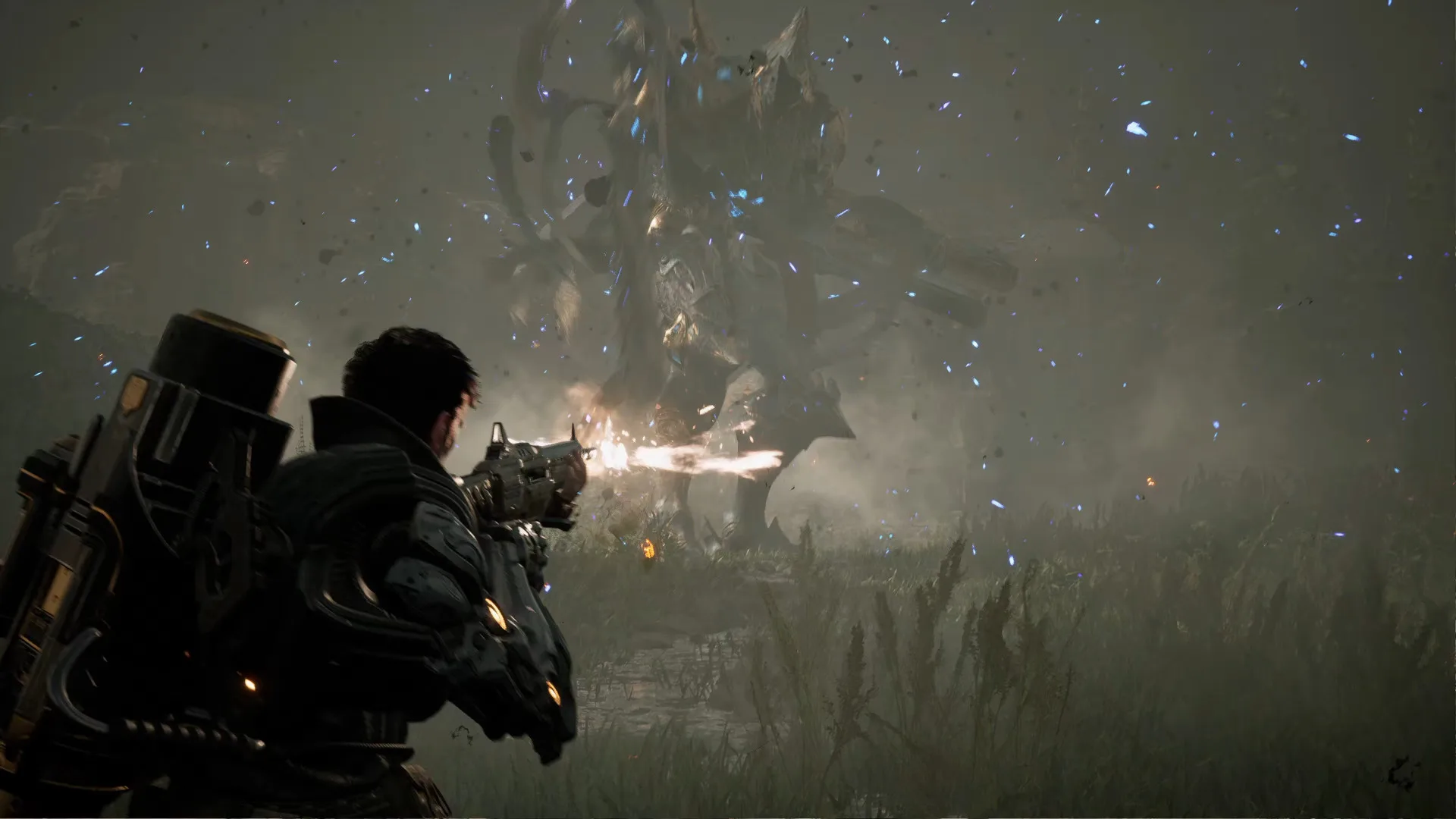

Build your Descendant in The First Descendant by strategically investing in unique Skill Trees and progression systems for new abilities.
Mastering your chosen Descendant in The First Descendant hinges on understanding and strategically investing in their unique Skill Trees and the overarching progression systems. This section will guide you through how to unlock new abilities, enhance existing ones, and tailor your character to your preferred playstyle.

Understanding Skill Trees
Each Descendant possesses a distinct Skill Tree, a branching network of active and passive abilities. These trees are your primary method of customizing your character's combat effectiveness and utility.
Navigating Your Skill Tree:
- Accessing the Tree: Open the main menu and select the "Descendants" tab. Choose your active Descendant, and then navigate to the "Skill Tree" option.
- Skill Points: You earn Skill Points by leveling up your Descendant and completing certain missions. These points are the currency used to unlock nodes within the Skill Tree.
- Branching Paths: Skill Trees are not linear. They offer multiple paths, allowing you to specialize in certain aspects of your Descendant's kit. For example, a Descendant might have a path focused on explosive damage, another on crowd control, and a third on survivability.
- Active vs. Passive Skills:
- Active Skills: These are abilities you can trigger during combat, such as powerful attacks, defensive buffs, or utility skills. They often have cooldowns.
- Passive Skills: These skills provide constant bonuses or effects without requiring activation. They might increase your critical hit chance, grant elemental resistance, or improve your movement speed.
Progression Systems
Beyond individual Skill Trees, The First Descendant features several interconnected progression systems that contribute to your overall power and character development.
Key Progression Elements:
- Character Leveling: Gaining experience points (XP) from defeating enemies, completing quests, and participating in activities directly increases your Descendant's level. Each level grants Skill Points and can unlock new passive bonuses.
- Equipment and Gear: While not directly part of the Skill Tree, your equipment plays a crucial role. Weapons and armor can provide stat boosts, unique effects, and even modify the behavior of your skills. Look for gear with synergistic stats that complement your chosen skill build. For instance, if you're focusing on a fire-based skill build, prioritize weapons and armor that boost fire damage or provide fire resistance.
- Modifications: Certain powerful items and endgame content will introduce a "Modification" system. These modifications can be slotted into specific gear pieces or even directly into your Descendant's core abilities, offering significant power spikes and further customization options. Keep an eye out for rare "Legendary Mods" that can drastically alter your gameplay.
- Research and Development (R&D): Some advanced abilities or powerful gear might require resources to research and develop. This often involves gathering specific materials from different zones or defeating particular bosses. For example, to unlock a powerful new active skill for your Descendant, you might need to collect "Void Shards" from the "Void Nexus" zone and "Resonant Alloys" from the "Ironclad Fortress."
Strategic Skill Point Allocation
Making informed decisions about where to spend your Skill Points is paramount to success.
Tips for Allocation:
- Understand Your Playstyle: Do you prefer to be on the front lines, dealing heavy damage? Or do you excel at supporting your team from a distance with buffs and debuffs? Choose skills that align with your preferred role.
- Synergy is Key: Look for skills that complement each other. A passive skill that increases critical damage is more effective when paired with an active skill that has a high critical hit chance or a guaranteed critical hit effect.
- Don't Neglect Passives: While active skills are flashy, well-chosen passive skills can provide consistent, significant boosts to your effectiveness and survivability.
- Respec Options: Be aware that the game may offer options to respec your Skill Points, allowing you to reallocate them if you wish to experiment with different builds or correct a suboptimal choice. Keep an eye on the "Character" menu for any "Respec" options, which might require a specific in-game currency or item.
- Research Builds: For more complex builds or endgame optimization, consider looking at community-created build guides. These often highlight powerful skill combinations and gear setups that you might not discover on your own.
By diligently investing in your Skill Trees and understanding the various progression systems, you'll unlock the full potential of your Descendant and become a formidable force in the world of The First Descendant.
100% Human-Written. AI Fact-Checked. Community Verified. Learn how AntMag verifies content