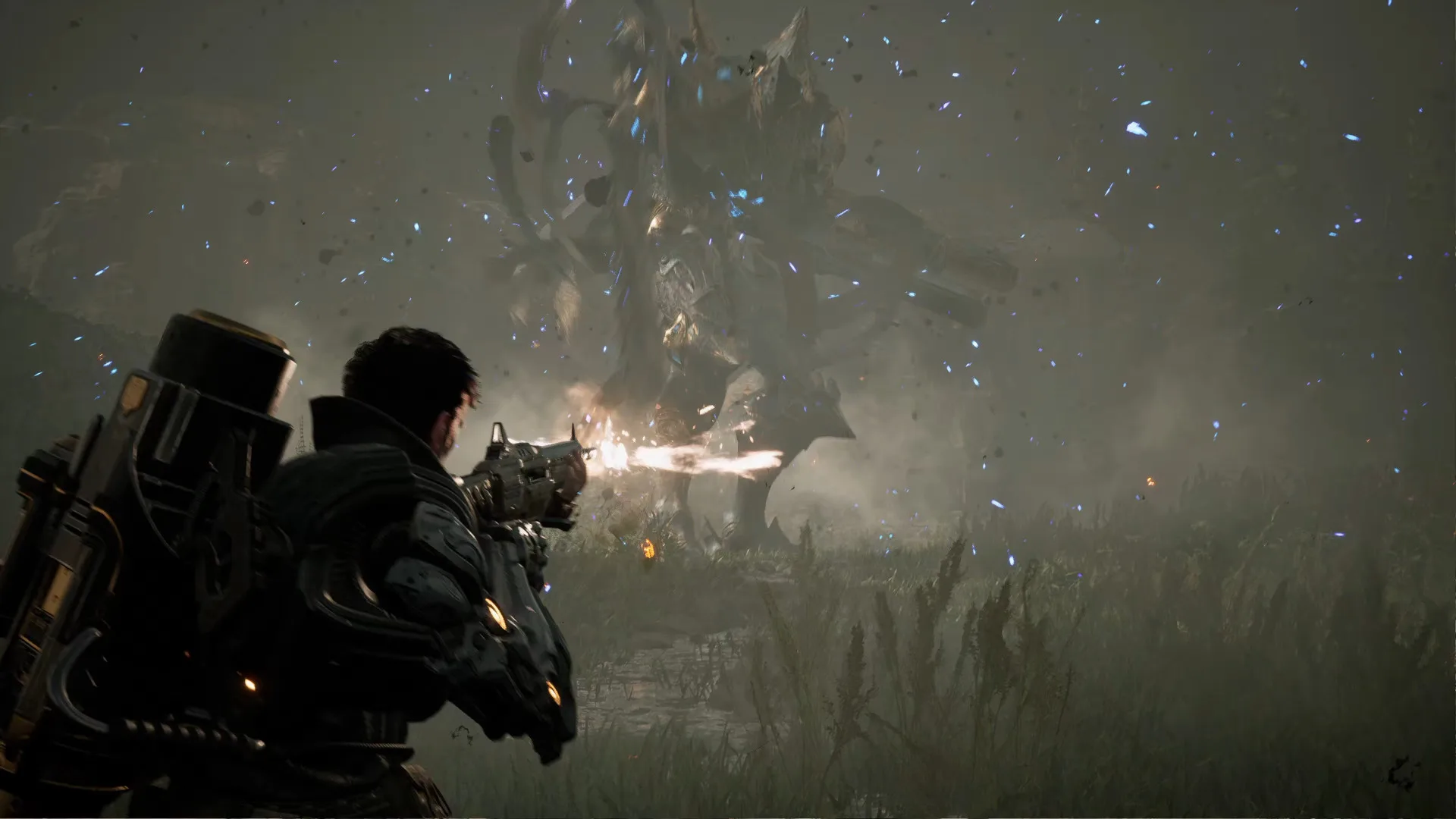
Analyze the Iron Citadel Architecture in The First Descendant's Crimson Peaks. Understand the resilient design reflecting the harsh environments and existentia.
The Iron Citadel: A Bastion of Resilience
The Iron Citadel stands as a monumental testament to survival and strategic defense within the treacherous Crimson Peaks. Its architecture is not merely aesthetic; it is a direct reflection of the harsh environment and the constant existential threats faced by its inhabitants. This section delves into the core elements of the Iron Citadel's design, exploring how its structure directly impacts gameplay and offers tactical advantages or challenges for Descendants.
Architectural Philosophy: Defense Through Fortification
The prevailing design philosophy of the Iron Citadel is one of unyielding defense. Every structure, from the colossal outer walls to the intricate internal pathways, has been meticulously crafted to repel invaders and withstand environmental extremes. This emphasis on fortification is evident in the choice of materials, the strategic placement of defensive emplacements, and the very layout of the stronghold.
Key Architectural Features and Gameplay Implications:
-
Colossal Outer Walls: These are not mere barriers but formidable defensive lines. Constructed from a dense, dark alloy reinforced with what appears to be solidified volcanic rock native to the Crimson Peaks, they are designed to absorb immense punishment.
- Gameplay Impact: These walls serve as primary cover during large-scale assaults. You can utilize the crenellations and battlements for elevated firing positions. Certain sections may be destructible by heavy ordnance, creating new entry points or collapsing pathways, forcing tactical repositioning. Expect to see enemy siege units targeting these walls.
- Specific Locations: The main approach to the Citadel is guarded by the "Iron Gate," a heavily fortified chokepoint. The "Crimson Ramparts" offer panoramic views and are often the site of intense firefights.
-
Gothic-Industrial Fusion: The Citadel exhibits a unique blend of imposing, almost gothic-inspired verticality with raw, exposed industrial elements. Soaring spires and buttresses, reminiscent of ancient fortresses, are interwoven with massive pipes, conduits, and heavy machinery.
- Gameplay Impact: This fusion creates vertical combat opportunities. Descendants can use grappling hooks or high-jump abilities to scale structures, flanking enemies or reaching strategic vantage points. Exposed pipes and conduits can sometimes be shot to cause environmental hazards, such as steam bursts or electrical discharges, that damage enemies (or unwary allies).
- Specific Locations: The "Forgeheart" district is a prime example, with towering smelting facilities juxtaposed against cathedral-like arches. The "Sky-Walks" are a network of elevated metal bridges offering both traversal and tactical positioning.
-
Integrated Defensive Systems: The Citadel is a living fortress, bristling with automated defenses. These include heavy-duty turrets, energy shield generators, and even hidden missile emplacements.
- Gameplay Impact: These systems pose a significant threat to players. Turrets have predictable firing patterns but high damage output. Shield generators must be destroyed to disable defensive fields, often requiring focused fire or the use of specific damage types (e.g., EMP for energy shields). You can sometimes hack or overload these systems to turn them against their creators.
- Strategy Tip: Prioritize destroying shield generators first, then focus on turrets. Look for control panels or power conduits that can be targeted to disable individual defenses.
- Specific Locations: The "Watchtower Nexus" is heavily defended by automated turrets. The "Perimeter Defense Grid" is a network of shield generators protecting key access points.
-
Resource Processing and Manufacturing Hubs: The Citadel is self-sufficient, housing extensive facilities for mining, refining, and manufacturing. These areas are characterized by heavy machinery, conveyor belts, and large storage vats.
- Gameplay Impact: These zones often feature environmental hazards like molten metal spills, crushing pistons, and hazardous chemical leaks. They can also serve as objective points for missions, requiring players to sabotage production lines or secure vital resources. The noise and activity can also mask enemy movements.
- Environmental Hazards:
- Molten Metal Flows: Areas around furnaces can have periodic spills that deal high burn damage.
- Crushing Machinery: Industrial presses and conveyor belts can instantly kill or severely damage players caught within their mechanisms.
- Toxic Fumes: Some processing areas may emit clouds of corrosive gas.
- Specific Locations: The "Ore Refinement Complex" is a labyrinth of pipes and vats. The "Armaments Factory" is where heavy weaponry is produced and tested.
-
Internal Courtyards and Barracks: These are the functional living and training spaces within the Citadel. They are typically utilitarian, with stark metal structures, exposed conduits, and minimal decoration.
- Gameplay Impact: These areas often serve as combat arenas where Descendants will face waves of enemies in close-to-medium range engagements. They can be used for tactical retreats or ambushes, with numerous cover points and vertical elements.
- Common Pitfalls: Players may rush through these areas without clearing them thoroughly, leading to being ambushed from multiple angles. Overlooking small side rooms can mean missing valuable loot or crucial objective items.
- Specific Locations: The "Barracks Block" is a series of interconnected living quarters. The "Training Grounds" are open areas often used for drills and, unfortunately, combat.
-
Subterranean Networks and Hidden Passages: Beneath the visible structure, the Iron Citadel likely possesses a complex network of tunnels, service shafts, and forgotten passages.
- Gameplay Impact: These areas can offer stealthy infiltration routes, shortcuts, or hidden caches of resources and powerful gear. They are often darker, more claustrophobic, and may house unique or elite enemy types.
- Strategy Tip: Always explore side passages and inspect suspicious walls. These areas are prime locations for finding rare crafting materials or lore entries.
- Specific Locations: The "Old Mine Shafts" connect to the lower levels. The "Maintenance Tunnels" offer a less guarded but more dangerous path through the Citadel.
Navigating the Iron Citadel: A Tactical Approach
Successfully traversing the Iron Citadel requires a keen understanding of its architectural strengths and weaknesses. Descendants must adapt their strategies to the environment, utilizing cover, verticality, and environmental hazards to their advantage.
Recommended Loadouts and Strategies:
-
Weaponry: A balanced loadout is crucial.
- Assault Rifles/SMGs: Effective for clearing standard infantry in the internal areas and courtyards.
- Sniper Rifles/Marksman Rifles: Ideal for picking off enemies on the ramparts and from elevated positions.
- Explosives (Grenades, Rocket Launchers): Essential for destroying shield generators, heavy emplacements, and collapsing weak points in the architecture.
- Energy Weapons/EMP Grenades: Highly effective against automated defenses and shielded enemies.
-
Abilities:
- Mobility Skills (Dash, Jump Jets, Grappling Hook): Crucial for navigating the multi-layered architecture and flanking enemies.
- Area-of-Effect (AoE) Skills: Useful for clearing groups of enemies in confined spaces or flushing them out from cover.
- Defensive Skills: Shields or damage reduction abilities can help survive concentrated fire from turrets or elite enemies.
-
Tactical Considerations:
- Prioritize Threats: Always identify and neutralize the most dangerous elements first – shield generators, heavy turrets, or elite snipers.
- Utilize Verticality: Don't fight on the ground level if you can gain an advantage by ascending.
- Environmental Awareness: Be mindful of hazardous areas and use them to your advantage against enemies.
- Scout Ahead: Use drones or scout abilities to identify enemy positions and defensive setups before engaging.
Key Encounters and Objectives within the Iron Citadel
The Iron Citadel is not just a static environment; it's a dynamic battlefield often featuring specific encounters and objectives that test a Descendant's mastery of the terrain.
Example Mission Walkthrough: "Securing the Forgeheart"
-
Objective: Infiltrate the Forgeheart district and sabotage the primary smelting furnace.
- Starting Location: Descend from the Crimson Peaks via the "Western Access Tunnel."
- Enemies: Expect patrols of Iron Legionnaires (standard melee/ranged), automated Sentry Turrets, and potentially an Elite Forge Guardian (heavy armored unit with flamethrower).
- Path: Navigate through the initial industrial corridors, using cover provided by large pipes and machinery. Be wary of steam vents that periodically release scalding steam.
-
Objective: Disable the perimeter shield generator protecting the furnace control room.
- Location: A heavily fortified platform overlooking the main smelting area.
- Enemies: Shield Generator is guarded by several Sentry Turrets and a squad of Iron Legionnaire Snipers positioned on higher gantries.
- Strategy: Use the surrounding structures for cover. A well-placed explosive grenade or rocket can destroy the generator quickly. Alternatively, use a sniper rifle to eliminate the snipers first, then engage the turrets.
-
Objective: Reach the furnace control room and initiate the sabotage sequence.
- Location: A reinforced control room accessible via a short, exposed walkway after the shield is down.
- Enemies: The room itself is usually defended by a mini-boss, the "Forge Master" – a heavily armored unit with a powerful melee attack and the ability to summon smaller robotic drones.
- Strategy: The Forge Master is weak to sustained energy weapon fire. Utilize the limited cover within the control room to dodge its attacks. Once the Forge Master is defeated, interact with the central console to begin the sabotage.
-
Objective: Escape the Forgeheart as the furnace overloads.
- Challenge: The area will become increasingly hazardous with molten metal spills and structural collapses. New enemy reinforcements will arrive.
- Escape Route: A designated extraction point will be marked on your HUD, typically through a different set of service tunnels. Move quickly, using any remaining mobility skills to outrun the expanding hazard zones.
Potential Missables and Hidden Secrets:
- Lore Entries: Scattered throughout the Citadel are data logs and journals that provide insight into its history and the plight of its inhabitants. These are often found in side rooms or on fallen soldiers.
- Rare Crafting Materials: Certain processing areas may yield unique ores or components vital for high-tier gear crafting.
- Hidden Armories: Some seemingly solid walls may conceal secret rooms containing powerful weapons or armor sets. Look for unusual textures or slight depressions.
By understanding and leveraging the Iron Citadel's formidable architecture, Descendants can transform a daunting fortress into a tactical playground, overcoming its defenses and uncovering its secrets.
100% Human-Written. AI Fact-Checked. Community Verified. Learn how AntMag verifies content