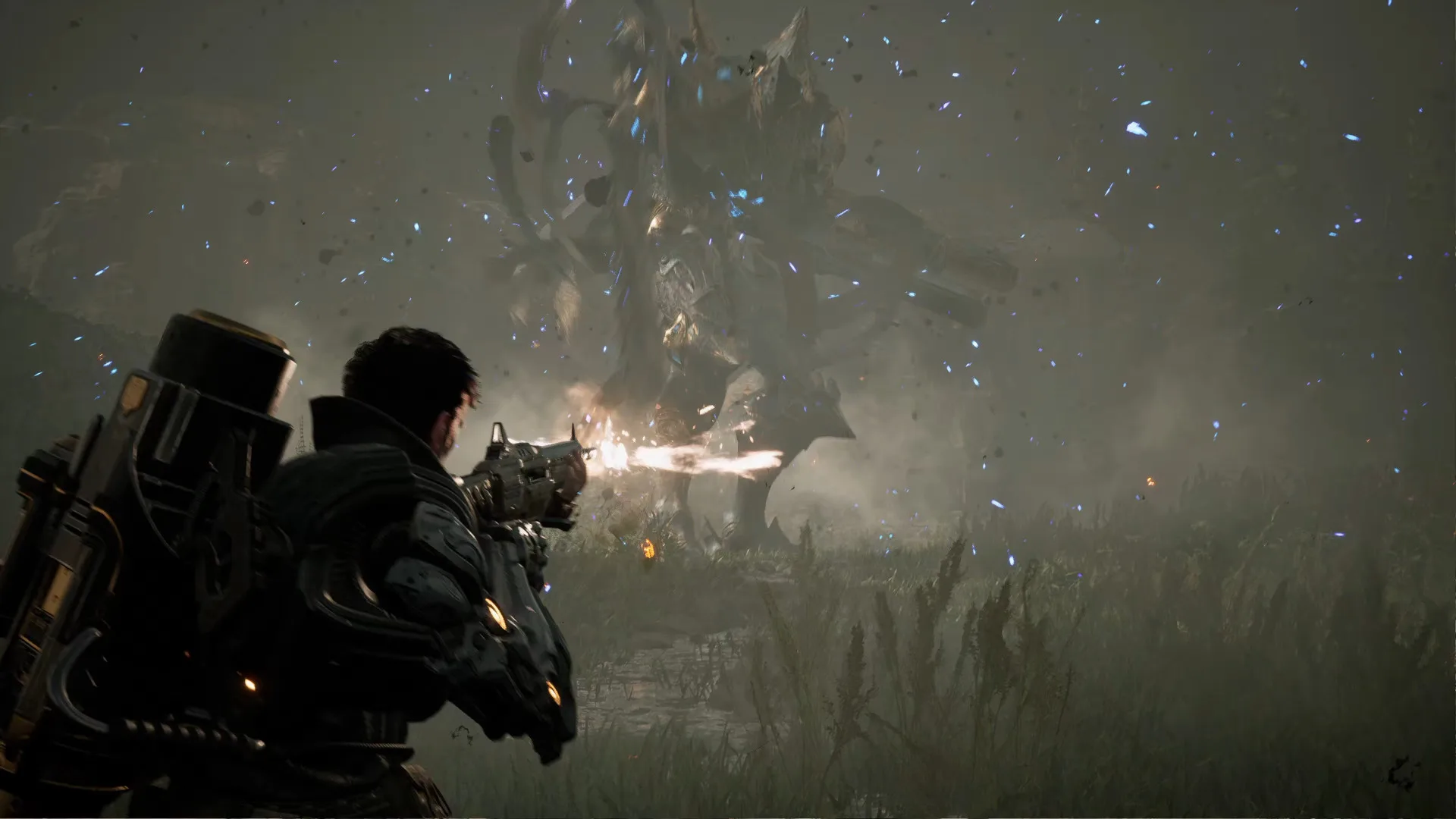
Conquer Void Rifts in The First Descendant's Shadowlands. Learn about wave-based combat, boss encounters, and strategies for this endgame challenge.
Void Rifts: Mastering the Chaotic Anomalies of The Shadowlands
Void Rifts are the ultimate endgame challenge in The First Descendant, appearing as unstable tears in reality within the perilous region known as The Shadowlands. These procedurally generated instances throw Descendants into relentless waves of increasingly formidable alien foes, culminating in epic boss battles. Success in Void Rifts is not just about raw power, but also about strategic team composition, meticulous gear optimization, and flawless execution. Conquering these volatile anomalies is the key to acquiring some of the most coveted and potent equipment in the game.
What are Void Rifts?
Void Rifts are dynamic, high-difficulty content zones that manifest within The Shadowlands. Each rift is a unique, procedurally generated arena designed to test a team's combat prowess, coordination, and resilience. The core experience revolves around surviving a series of escalating enemy waves, with each wave introducing tougher enemies, more aggressive AI, and potentially environmental hazards or gameplay-altering modifiers. Brief periods of respite between waves allow for tactical regrouping, healing, and preparation for the next onslaught. The ultimate objective is to overcome a powerful, often unique, boss that guards the rift's most valuable treasures.
Key Features of Void Rifts:
- Wave-Based Gauntlet: The primary challenge is enduring successive waves of diverse enemy types, ranging from standard alien infantry to specialized elite units and monstrous aberrations.
- Escalating Difficulty: As players progress through the waves, enemy numbers, strength, and threat level increase significantly.
- Challenging Boss Encounters: Each Void Rift culminates in a boss fight against a formidable adversary with complex attack patterns and mechanics that demand precise dodging and strategic engagement.
- Dynamic Modifiers: Rifts can be imbued with various affixes that alter gameplay conditions, such as increased enemy damage, reduced healing effectiveness, elemental damage buffs for enemies, or altered environmental effects.
- High-Tier Rewards: Successful completion of Void Rifts yields some of the game's most powerful loot, including endgame weapons, potent armor sets, rare crafting materials, and exclusive cosmetic items. Reward quality is directly tied to the difficulty and performance within the rift.
Strategies for Void Rift Success
Conquering Void Rifts requires a multifaceted approach, blending individual skill with coordinated team play. A balanced team composition, optimized gear, and smart resource management are paramount.
1. Team Composition: The Pillars of Success
A well-rounded team is essential for tackling the diverse threats within Void Rifts. Aim for a composition that covers damage, crowd control, and support roles. A typical balanced team might include:
- High Damage Dealer (DPS): A Descendant focused on maximizing damage output to quickly eliminate threats, especially priority targets and bosses. Examples include characters with high burst damage abilities or sustained firepower.
- Crowd Control (CC) Specialist: A Descendant capable of incapacitating or slowing down large groups of enemies, creating breathing room for the team. Abilities like stuns, freezes, or area-of-effect (AoE) slows are invaluable.
- Support/Healer: A Descendant dedicated to keeping the team alive through healing, shielding, or providing defensive buffs. Their role is critical for sustaining the team through prolonged engagements and revives.
- Off-Tank/Utility: A Descendant that can absorb some enemy aggro, provide additional utility (e.g., debuffs, mobility), or contribute significant damage while maintaining survivability.
Example Team Synergy: Consider a team comprising a high-damage Descendant like Viessa (for her potent AoE and debuffs), a CC specialist like Kyle Griffin (for his crowd control abilities), and a dedicated support like Layla (for healing and shields). This combination allows for efficient enemy management and sustained survivability.
2. Gear Optimization: Forging Your Arsenal
Your Descendant's gear is your primary tool for survival and combat effectiveness. Ensure all equipment is:
- Max Level: Equip gear at the highest possible level for your Descendant.
- Fully Upgraded: Invest resources to fully upgrade weapon and armor stats.
- Optimally Modded: Equip mods that synergize with your Descendant's abilities and playstyle, and crucially, counter enemy resistances or exploit vulnerabilities. Pay close attention to elemental damage types.
- Set Bonuses: Prioritize armor sets that provide synergistic bonuses for your role within the team.
Boss Weaknesses: Research the specific weaknesses of the Void Rift bosses. Some bosses might be particularly vulnerable to certain elemental damage types (e.g., fire, ice, lightning) or specific weapon archetypes. Tailor your loadout accordingly.
3. Resource Management: Every Skill Counts
Void Rifts are endurance tests. Effective resource management is key:
- Skill Cooldowns: Do not waste powerful active skills on weak enemy waves. Save them for critical moments, elite enemies, or boss phases.
- Ammunition: While ammo is generally plentiful, be mindful of your usage, especially with high-consumption weapons. Utilize weapon skills and passive regeneration where possible.
- Consumables: Keep a stock of healing items and other useful consumables, and use them judiciously when healing abilities are on cooldown or insufficient.
4. Environmental Awareness: The Arena is Your Ally
The environments within Void Rifts are not just backdrops; they are tactical assets:
- Cover: Utilize destructible and permanent cover to break line of sight, reload safely, and avoid incoming fire.
- Flanking Routes: Identify and use flanking routes to gain positional advantages and attack enemies from unexpected angles.
- Hazard Avoidance: Be aware of environmental hazards such as explosive barrels, energy fields, or hazardous terrain, and use them to your advantage or avoid them entirely.
5. Communication: The Unseen Weapon
In a team-based endgame activity like Void Rifts, clear and concise communication is non-negotiable:
- Threat Callouts: Announce the presence of high-priority targets, elite enemies, or dangerous boss attacks.
- Revive Requests: Clearly signal when a teammate is downed and needs assistance.
- Coordination: Coordinate ability usage, target focus, and movement.
- Strategy Adjustments: Discuss and adapt strategies on the fly based on the current wave or boss mechanics.
Common Pitfalls and Missables
- Ignoring Modifiers: Failing to adapt to or understand the active modifiers of a Void Rift can lead to unexpected difficulty spikes.
- Overextending: Pushing too far ahead without team support or awareness of enemy positions can result in quick and unavoidable deaths.
- Wasting Ultimate Skills: Using powerful ultimate abilities on minor enemy groups significantly reduces your team's effectiveness during tougher phases.
- Neglecting Revives: While prioritizing survival is important, allowing teammates to remain downed for too long can cripple the team's combat effectiveness and lead to a wipe.
Mastering Void Rifts is a journey that demands continuous improvement, adaptation, and a deep understanding of The First Descendant's combat systems. By focusing on these strategic pillars, You can significantly increase their chances of success and reap the abundant rewards that await within these chaotic, reality-bending challenges.
100% Human-Written. AI Fact-Checked. Community Verified. Learn how AntMag verifies content