
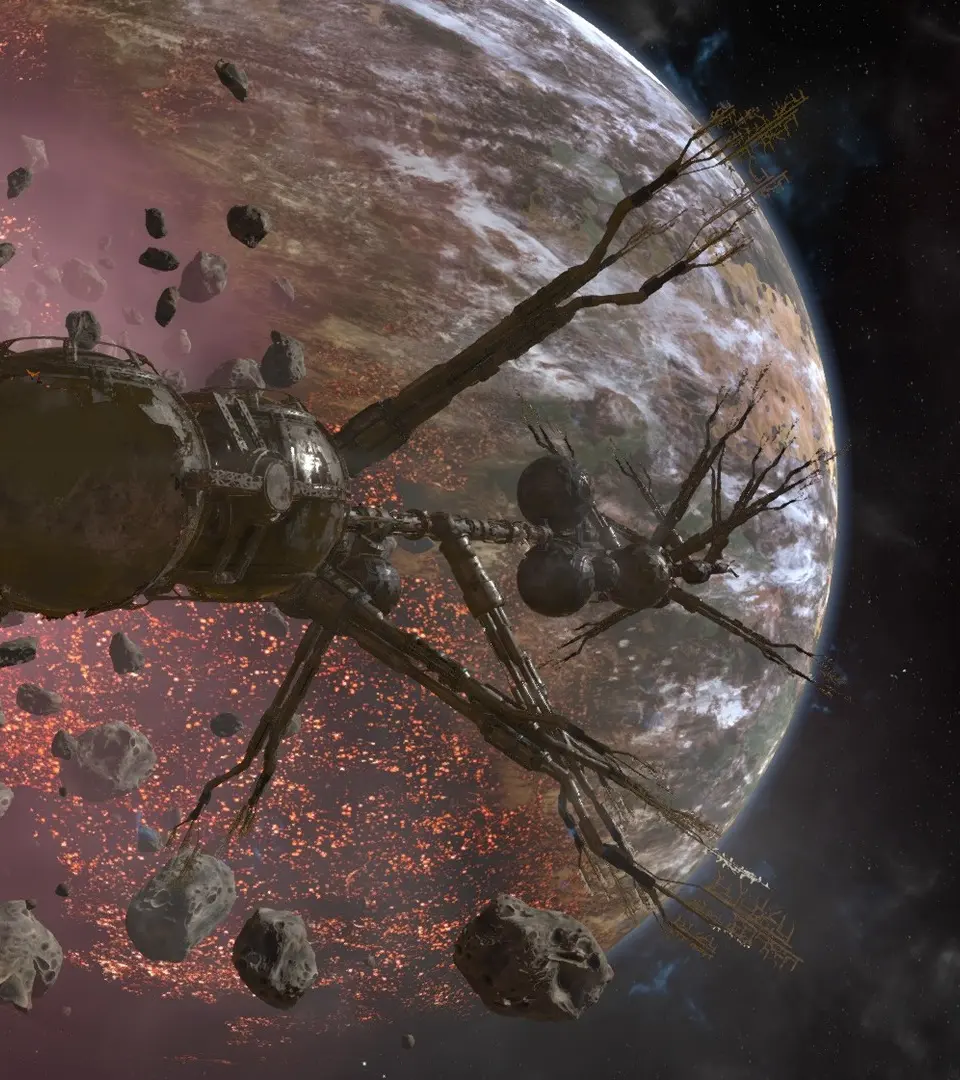
Master station building in X4: Foundations with our list of production, defense, and dock modules. Learn module functions and placement strategies for efficien.
Building a successful station in X4: Foundations requires a deep understanding of the various modules available and how they interact. This detailed list will guide you through the essential module types, their functions, and strategic considerations for their placement and integration into your station designs.
I. Production Modules
These modules are the heart of any manufacturing station, converting raw resources into refined goods or finished products. Efficiency is key here, so consider the entire production chain.
A. Resource Extraction Modules
- Solid Miner: Essential for extracting solid resources like Silicon and Ore. Requires a sufficient number of mining ships assigned to the station. Place these strategically near asteroid fields or resource-rich sectors.
- Gas Collector: Collects gas resources such as Methane and Hydrogen. Similar to solid miners, these need gas mining ships. Consider placing these in nebulae or sectors with high gas concentrations.
- Water Collector: Gathers water, a crucial component for many agricultural and advanced production processes. Often found in specific sectors or can be sourced from ice fields.
B. Refinement Modules
These modules process raw materials into intermediate goods.
- Refinery (Ore): Converts Ore into Refined Metals. A foundational module for any industrial complex.
- Refinery (Silicon): Transforms Silicon into Silicon Wafers. Crucial for electronics production.
- Gas Processing (Methane/Hydrogen): Processes raw gases into usable forms for advanced manufacturing.
- Energy Cell Production: Creates Energy Cells from Silicon and Nividium. Energy Cells are a universal currency and a vital input for almost every other production module. Prioritize building a robust Energy Cell production early on.
C. Manufacturing Modules
These modules take refined goods and turn them into final products or complex components.
- Hull Part Production: Produces Hull Parts, a fundamental component for ship and station construction. High demand item.
- Weapon Component Production: Creates various components needed for weapon manufacturing.
- Shield Component Production: Produces parts for shield generators.
- Engine Part Production: Manufactures components for ship engines.
- Advanced Electronics Production: Creates Advanced Electronics, a high-value component for many advanced modules and ships.
- Microchip Production: Produces Microchips, another critical component for high-tech items.
- Medical Supply Production: Creates Medical Supplies, essential for station personnel and certain missions.
- Food Production (various types): Produces food items like Nostrop Oil, Spacefuel, and Meat. Crucial for station sustainability and crew morale. Different races consume different food types, so diversify if serving multiple factions.
II. Storage Modules
Adequate storage is paramount to prevent production bottlenecks and ensure a smooth supply chain.
A. Solid Storage
- Container Storage: Stores all solid goods, including raw materials, refined metals, and finished products. Build multiple large container storage modules for high-volume stations.
B. Liquid Storage
- Liquid Storage: Holds liquid resources like Methane, Hydrogen, and Water. Essential for gas and water collection stations.
C. Energy Storage
- Energy Cell Storage: Dedicated storage for Energy Cells. While Energy Cells are technically a solid, they often have their own dedicated storage to manage their unique role as a universal power source.
III. Habitation Modules
These modules provide living space for your station's workforce, directly impacting productivity and growth.
- Habitat (S/M/L): Provides living quarters for your station's crew. Larger habitats support more personnel. Ensure you have enough habitats to accommodate your workforce, especially for large production complexes. Lack of housing will limit your station's maximum workforce.
IV. Docking Modules
Docking facilities are crucial for trade, resupply, and managing your fleet.
A. Small/Medium Docks
- Docking Bay (S/M): Allows small and medium-sized ships (fighters, freighters, miners) to dock and trade. Multiple docking bays increase throughput. Position these to minimize travel time for incoming and outgoing ships.
- Pier (S/M): Similar to docking bays but often with a more open design, allowing for easier access.
B. Large/Capital Docks
- Docking Bay (L/XL): Essential for capital ships (destroyers, carriers, large freighters) to dock. These are large and require significant space. Crucial for shipyards and major trade hubs.
- Pier (L/XL): Provides docking for capital ships, often with multiple landing pads.
V. Auxiliary Modules
These modules provide essential services and enhance station capabilities.
- Administration Centre: The absolute first module you must build on any station. It provides the necessary administrative functions for the station to operate and allows you to manage its budget and trade rules. Without it, your station is just a collection of modules.
- Defence Disc: Provides defensive turrets and shields for your station, protecting it from pirate attacks or hostile factions. Essential for stations in contested or dangerous sectors.
- Maintenance Bay: Allows your ships to be repaired and refitted at the station. Crucial for maintaining your fleet's readiness.
- Shipyard (S/M/L/XL): Enables the construction of new ships. A highly complex and expensive module, but incredibly profitable if managed correctly. Requires a vast array of production modules to feed its construction needs.
- Wharf (S/M): Similar to a shipyard but typically focused on smaller ship classes.
- Trade Offer Module: Enhances the station's ability to broadcast its trade offers, attracting more traders.
VI. Connecting Modules (Conduits)
While not production or storage modules themselves, these are vital for structural integrity and connecting other modules.
- Conduit (various lengths and shapes): Used to physically connect different modules, forming the station's structure. Plan your layout carefully to minimize the number of conduits needed and create a compact, defensible station.
- Cross-Connector: Allows for connections in multiple directions, useful for complex station designs.
Strategic Considerations for Module Placement:
- Proximity: Place production modules that feed into each other close together to reduce internal transport times.
- Defensibility: Position critical modules (Administration Centre, production modules) towards the interior of the station, protected by Defence Discs and other modules.
- Accessibility: Ensure docking modules are easily accessible for incoming and outgoing ships, avoiding congestion.
- Power Consumption: Be mindful of the power consumption of your modules. While not a direct module, ensure your Energy Cell production can keep up with demand.
- Module Size: Large modules require significant space. Plan your station layout in the construction planner carefully to avoid running out of room or creating an unwieldy structure.
By carefully selecting and arranging these modules, you can design and build highly efficient and profitable stations that will form the backbone of your empire in X4: Foundations.
100% Human-Written. AI Fact-Checked. Community Verified. Learn how AntMag verifies content