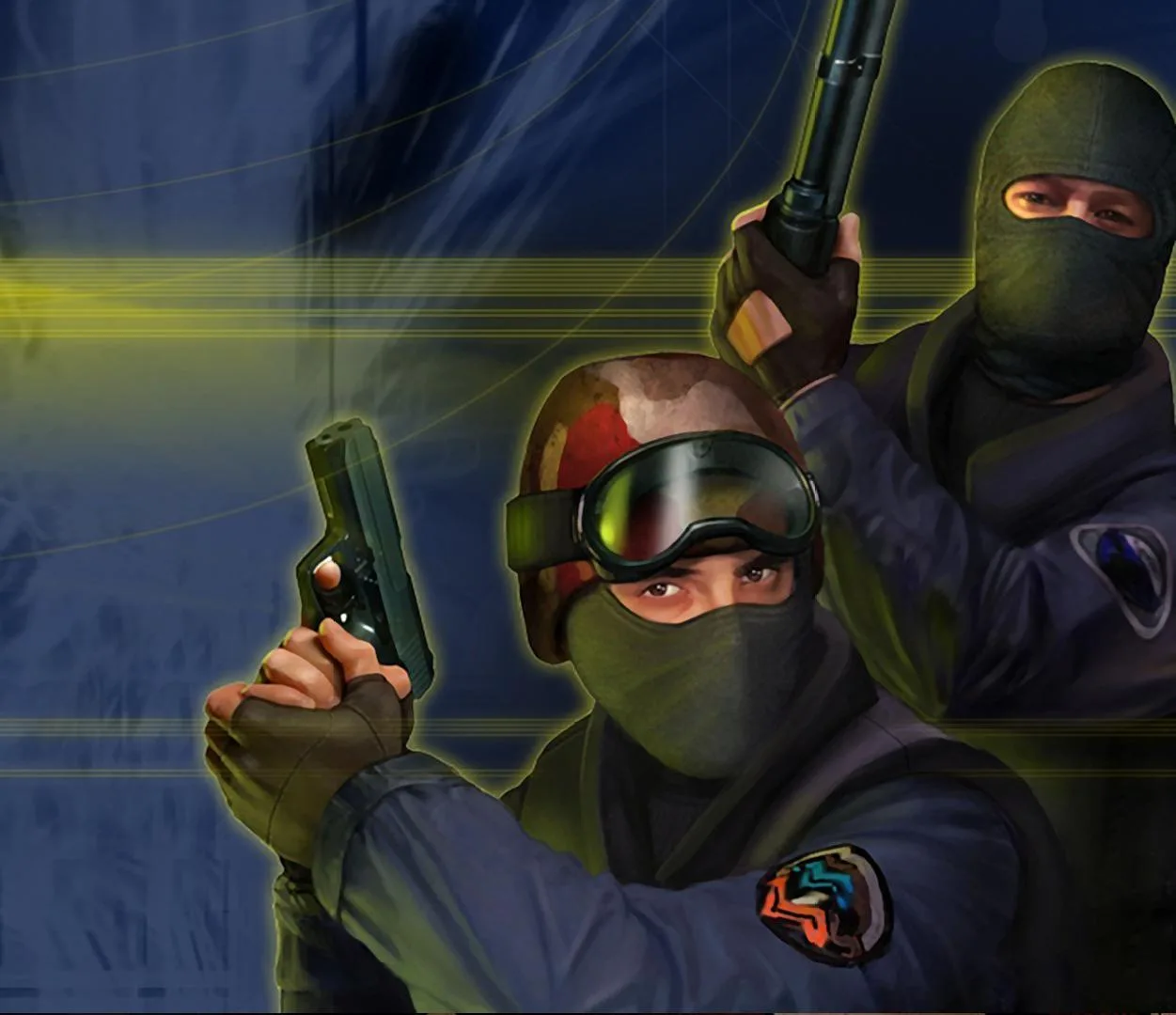
Understand Counter-Strike team roles: Entry Fragger, Lurker, Support, AWPer, and IGL. Learn responsibilities and strategies for cohesive teamwork and success.
Mastering Counter-Strike requires more than just individual aim; it demands cohesive teamwork and a clear understanding of each player's role. This section breaks down the five core positions, outlining their responsibilities, essential strategies, and how they contribute to overall success.
Entry Fragger
The Entry Fragger is the spearhead of the attack, the first player to push into a bombsite and engage the defenders. Their primary goal is to secure the first kill, create space for their teammates, and gather crucial information about enemy positions.
- Primary Objective: Secure the first kill, clear immediate angles, and establish a foothold in the bombsite.
- Weapon Preference: High-damage, close-to-mid-range rifles like the AK-47 (T-side) or M4A4/M4A1-S (CT-side). Shotguns like the MAG-7 or Nova can be effective on eco rounds in tight areas like Dust II's B Tunnels or Inferno's Apartments.
- Key Strategies:
- Aggressive Peeking: Utilize utility (flashes, smokes) from teammates to peek aggressively into common defender positions (e.g., Dust II A Long Corner, Inferno Arch Side).
- Trading: Understand that your death might be acceptable if it leads to a trade kill from a teammate, evening the numbers.
- Information Gathering: Even if you don't get the kill, call out enemy positions immediately (e.g., "One short!", "Two site!").
- Crossfire Setups: Work with your Secondary Entry or Lurker to create crossfires, making it difficult for defenders to escape.
- Actionable Steps:
- Communicate your entry plan with your IGL and Support.
- Wait for your Support to throw a flashbang (e.g., over Dust II A Short to blind A Site).
- Immediately peek common angles, pre-firing if you anticipate an enemy.
- If you get a kill, push deeper to clear more angles; if you die, provide precise enemy locations.
Lurker
The Lurker operates independently, often on the opposite side of the main push. Their role is to catch rotating defenders off guard, create pressure on flanks, and gather information about enemy movements.
- Primary Objective: Isolate and pick off rotating enemies, provide flank security, and create diversions.
- Weapon Preference: Versatile rifles like the AK-47 or M4A4/M4A1-S. A silenced pistol (USP-S/P2000) is crucial for quiet picks.
- Key Strategies:
- Map Awareness: Constantly monitor the minimap and listen for enemy footsteps to anticipate rotations.
- Patience: The Lurker's strength lies in waiting for the opportune moment to strike, often after the main push has drawn attention.
- Sound Discipline: Minimize unnecessary noise to remain undetected. Walk or crouch walk in key areas (e.g., Mirage Mid, Inferno Banana).
- Flank Control: Position yourself to catch enemies rotating through common pathways (e.g., Dust II Catwalk to Short, Inferno CT Spawn to B).
- Actionable Steps:
- During a B-site execute on Inferno, position yourself quietly near Mid or Apartments.
- Listen for footsteps or calls indicating CTs rotating from A to B.
- As the main team engages B, peek into Mid or Apartments to catch rotating players.
- Communicate any enemy sightings or kills immediately to your team.
Support
The Support player is the backbone of the team, providing crucial utility, covering teammates, and re-fragging fallen allies. They are often the last to die and are responsible for clutch situations.
- Primary Objective: Deploy utility effectively, re-frag entry fraggers, hold key angles, and manage the economy.
- Weapon Preference: Rifles like the AK-47 or M4A4/M4A1-S. Often carries a full suite of utility: Smoke Grenades, Flashbangs, Incendiary/Molotovs, High Explosive Grenades.
- Key Strategies:
- Utility Usage: Master common smoke and flash lineups for various maps and executes (e.g., smoking CT Spawn on Dust II A, flashing over Inferno Arch for an A push).
- Re-fragging: Position yourself behind the Entry Fragger to immediately trade kills if they go down.
- Holding Angles: Secure flanks or common push points with precise aim and good crosshair placement.
- Economy Management: Often responsible for dropping weapons for teammates on eco rounds or managing team buys.
- Actionable Steps:
- Before an A-site push on Mirage, throw a deep smoke towards CT Spawn from T Spawn.
- Follow your Entry Fragger onto the site, holding an angle that covers their back or a common defender position (e.g., Palace).
- If your Entry Fragger dies, immediately peek and try to re-frag their killer.
- Use remaining utility (flash, molotov) to clear corners or block rotations during the plant.
AWPer
The AWPer is the team's long-range specialist, capable of securing crucial opening picks and holding tight angles with devastating precision. Their presence can dictate the pace of a round.
- Primary Objective: Secure opening picks, hold long lines of sight, and deny enemy pushes.
- Weapon Preference: The AWP is their signature weapon. A strong secondary pistol (e.g., Desert Eagle) is essential for close-quarters engagements.
- Key Strategies:
- Aggressive Peeking (T-side): Use the AWP to quickly peek common CT positions at the start of a round (e.g., Dust II Mid to B Doors, Mirage Mid to Window).
- Holding Angles (CT-side): Anchor a bombsite or key choke point, denying entry with precise shots (e.g., Overpass Long A, Nuke Ramp).
- Communication: Call out every shot, hit, and miss, as well as enemy positions.
- Positioning: Always be aware of escape routes and cover after taking a shot.
- Actionable Steps:
- On CT side Dust II, position yourself at A Long, holding the angle towards T Ramp.
- Listen for enemy footsteps or utility indicating a push.
- Take a precise shot at the first enemy that peeks, then immediately reposition behind cover (e.g., Car).
- Communicate the kill and enemy numbers to your team ("One long down!").
In-Game Leader (IGL)
The In-Game Leader is the strategic mastermind, responsible for calling the shots, coordinating team movements, and adapting to the flow of the game. They are the team's brain.
- Primary Objective: Develop and execute strategies, manage team economy, adapt to enemy tactics, and maintain team morale.
- Weapon Preference: Often a rifle (AK-47/M4A4/M4A1-S) but their primary focus is on communication and strategy, not necessarily individual fragging.
- Key Strategies:
- Map Knowledge: Deep understanding of all maps, including common angles, utility lineups, and rotation timings.
- Economy Management: Dictate buys, force buys, and eco rounds to maximize team resources.
- Reading the Opponent: Analyze enemy tendencies, common pushes, and individual player habits to counter their strategies.
- Mid-Round Adjustments: Be able to pivot from an initial plan based on new information or enemy reactions.
- Clear Communication: Provide concise, actionable commands to the team.
- Actionable Steps:
- At the start of a T-side round on Inferno, call for a "default" setup, sending players to Banana, Mid, and Apartments.
- Monitor the minimap and listen to teammate calls for enemy positions.
- If the Lurker reports no enemies in Apartments and the Entry Fragger gets a pick on Banana, call for a "B execute" with specific utility usage (e.g., "Smoke CT, flash site!").
- Adjust the plan if the execute fails, perhaps calling for a quick rotation to A.
100% Human-Written. AI Fact-Checked. Community Verified. Learn how AntMag verifies content