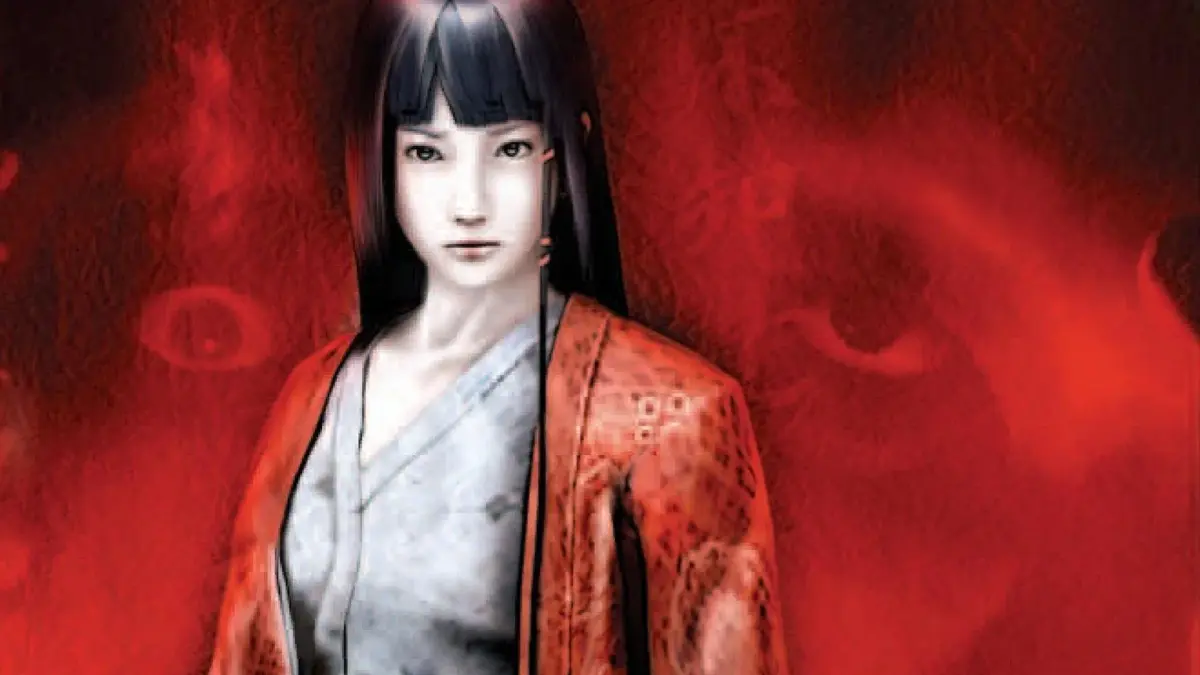
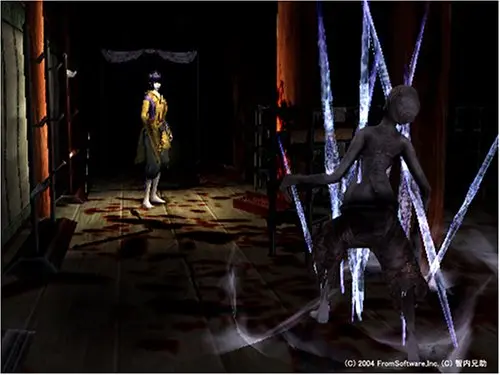
Master Kuon's haunting manor by optimizing your inventory. Learn what to carry and store for survival against Yokai, crucial for progressing through each phase.
Effective inventory management is crucial for survival in Kuon's haunting manor. With limited space and the constant threat of Yokai, knowing what to carry, what to store, and where to find essential items can make all the difference. This section will guide you through optimizing your inventory for each phase of the game.
Understanding Your Inventory
Each character in Kuon (Yin, Yang, and Kuon) has a fixed inventory size. There are no upgrades to expand this, so careful planning is paramount. Items are generally categorized as:
- Healing Items: Essential for restoring health and sanity.
- Offensive Items: Used to combat or deter Yokai.
- Key Items: Story-critical objects that unlock new areas or progress the narrative. These do not take up inventory slots.
- Miscellaneous Items: Often used in conjunction with other items or for specific puzzles.
General Inventory Strategies
Regardless of the phase, these strategies will serve you well:
- Prioritize Healing: Always carry at least one or two healing items. Herbal Medicine is common, while Healing Charms are more potent.
- Balanced Offense: Don't over-commit to offensive items. While Talismans and Purification Charms are useful, you'll often find more as you progress. Conserve them for tougher encounters.
- Utilize Storage Chests: Throughout the manor, you'll find wooden chests. These act as universal storage, meaning items placed in one chest can be retrieved from any other chest. This is your primary method for managing excess items.
- Drop Unnecessary Items: If your inventory is full and you find a critical item, you may need to drop something less important. Be strategic; a few Small Stones might be less valuable than a Healing Charm.
- Check for Synergies: Some items are used together. For example, the Empty Bottle is useless until you fill it with Holy Water. Keep an eye out for these combinations.
Phase-Specific Inventory Tips
Yin Phase: Utsuki's Journey
Utsuki starts with a relatively fragile disposition, making healing items particularly important. Her primary offensive tools are her knife and the occasional Talisman.
- Early Game Focus: In the Main Hall and Servants' Quarters, prioritize collecting Herbal Medicine and any Small Stones you find. The Small Stones can be surprisingly effective against weaker Yokai or to stun them for a quick escape.
- Key Item Management: The Old Key found in the Servants' Quarters and the Rusty Key from the Storage Room are crucial. These will automatically be added to your key item inventory, so don't worry about them taking up space.
- Puppet Parts: As you collect Puppet Parts (Arm, Leg, Torso, Head), store them in a chest until you have all of them. They serve no immediate purpose until you reach the Puppet Room.
- Maiden's Hairpin: This item, found in the Maiden's Room, is a puzzle item. Keep it in your inventory once found, as its use is relatively soon after acquisition.
Yang Phase: Sakuya's Investigation
Sakuya, being a disciple, has access to more potent spiritual attacks and charms. Her inventory management often revolves around balancing these with healing.
- Charms are Key: Sakuya will find various Charms, such as Purification Charms and Binding Charms. These are powerful but limited. Use them judiciously against stronger Yokai or when you need to clear a path quickly. The Purification Charm is particularly effective against the more ethereal enemies in the Inner Shrine.
- Spirit Water: Keep an eye out for Spirit Water. It's a more potent healing item than Herbal Medicine and should be prioritized. You'll often find it in more secluded areas like the Study or the Hidden Passageway.
- Lantern Oil: Sakuya's lantern is vital for navigating dark areas and revealing hidden paths. Always carry at least one spare Lantern Oil. You'll often find these in storage rooms or near light sources.
- Ritual Items: Items like the Ritual Bell or the Incense Burner are specific to Sakuya's tasks. Once used, they are typically consumed or become key items, so don't hoard them after their purpose is served.
Kuon Phase: The Unveiling
The Kuon Phase combines elements from both Yin and Yang, often requiring a more diverse inventory. You'll be facing tougher enemies and more complex puzzles.
- Consolidate Resources: By this point, you should have a good understanding of the manor's layout and item locations. Use the storage chests to consolidate any leftover healing or offensive items from previous phases.
- Dual-Purpose Items: Look for items that serve multiple purposes. For instance, the Holy Water (created by combining Empty Bottle and a source of blessed water) can heal and harm certain Yokai.
- Final Key Items: The final phase often involves collecting several critical key items to unlock the ultimate path. These will automatically be stored, but ensure you've picked them all up. Examples include the various Sealing Talismans or the Ancient Scroll.
- Prepare for Bosses: Before entering areas known for boss encounters (e.g., the Underground Shrine or the Forbidden Chamber), ensure your inventory is stocked with your strongest healing items (Healing Charms, Spirit Water) and your most effective offensive tools (Purification Charms, powerful Talismans).
By following these guidelines, you'll navigate the horrors of Kuon with a well-managed inventory, ensuring you're always prepared for the next terrifying encounter.
100% Human-Written. AI Fact-Checked. Community Verified. Learn how AntMag verifies content