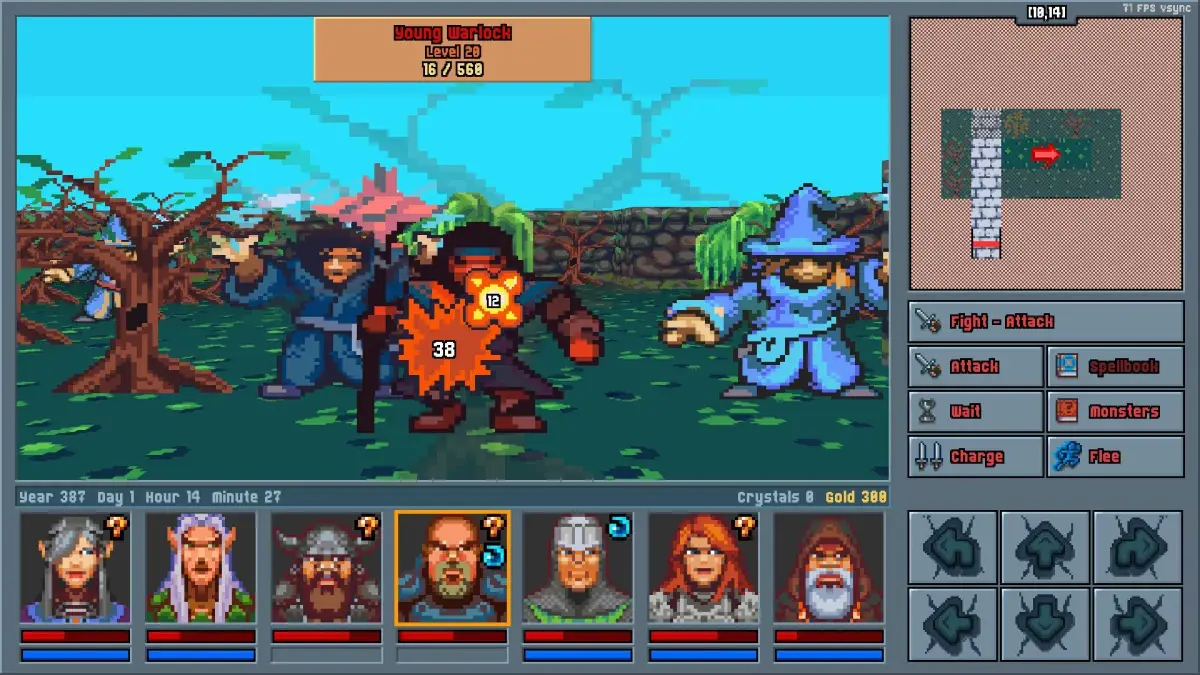

Enhance your gear with Enchanting in Legends of Amberland III: The Crimson Tower. Learn how to imbue weapons and armor with magical properties like fire damage.
Enchanting is a powerful mechanic in Legends of Amberland III: The Crimson Tower that allows you to imbue your weapons and armor with magical properties, significantly boosting your party's combat effectiveness and survivability. This process requires specific reagents and a skilled Enchanter, often found in specialized shops or learned as a skill by certain characters.
The core of enchanting involves using Enchanting Runes and Arcane Dust. Enchanting Runes are acquired through various means, including looting from defeated magical creatures, completing quests for arcane guilds, or purchasing them from specialized vendors. Arcane Dust is a more common reagent, often gathered from dismantling unwanted magical items or found in chests within magical ruins.
Each piece of equipment can typically hold a limited number of enchantments, often indicated by empty enchantment slots. A common weapon, like a basic Iron Sword, might have one or two enchantment slots, while a legendary artifact could possess three or more. The type of enchantment you can apply often depends on the item's base type. For example, you can't typically enchant a shield with a bonus to spell damage.
There are numerous types of enchantments available. For weapons, common enchantments include Flame Tongue (adds 5-8 fire damage), Frostbite (adds 5-8 cold damage and a chance to slow enemies), and Vampiric Touch (heals the wielder for 2% of damage dealt). For armor, you might find enchantments like Fortitude (increases maximum HP by 15), Mage's Ward (grants +5 to all elemental resistances), or Swiftness (increases movement speed by 10%).
The success rate and potency of an enchantment can be influenced by the Enchanter's skill level and the quality of the reagents used. Attempting to apply a powerful enchantment with low skill or insufficient Arcane Dust might result in a weaker effect or even a failed enchantment, consuming the reagents without any benefit. Some rare, high-level enchantments, such as the Blade of Smiting, might require specific, unique runes found only in the most dangerous dungeons.
A common mistake is to over-enchant early-game gear. While it's tempting to boost every item, remember that you will eventually find better base equipment. Focus on enchanting items that your core party members will use for a significant period. Alternatively, consider enchanting items that offer utility outside of combat, such as a ring that increases your gold find by 10%.
When planning your enchantments, consider synergy. For instance, equipping a character with a Frostbite weapon and armor with a resistance to cold damage might not be the most effective strategy. Instead, pair a Frostbite weapon with armor that boosts fire resistance to cover your weaknesses. The Crimson Tower itself is rumored to hold unique enchanting secrets and rare runes, making exploration of its depths a priority for dedicated enchanters.
100% Human-Written. AI Fact-Checked. Community Verified. Learn how AntMag verifies content