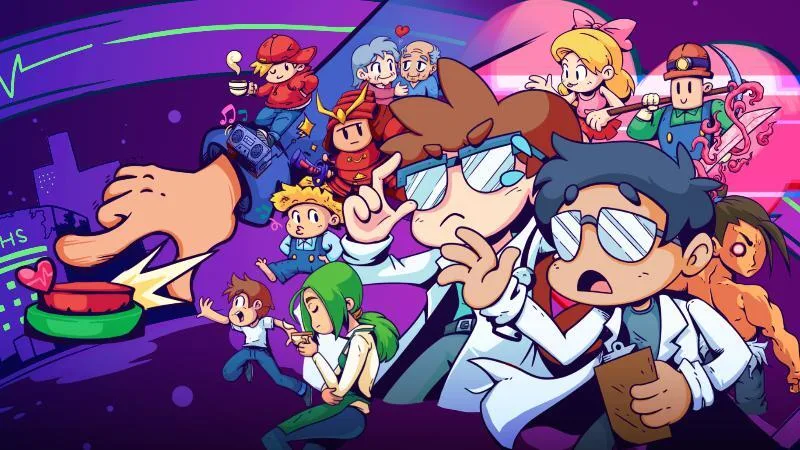
Master Rhythm Doctor's core mechanics. Learn to sync with heartbeats, understand beat indicators, and achieve perfect inputs for successful diagnoses.
At its core, Rhythm Doctor is a game about rhythm and precision, centered around the concept of healing patients by synchronizing with their heartbeats. Understanding these fundamental mechanics is crucial for success, as every action you take is tied to the game's musical pulse. Mastering the interplay between your inputs and the patient's heart rhythm is the key to becoming a skilled doctor.
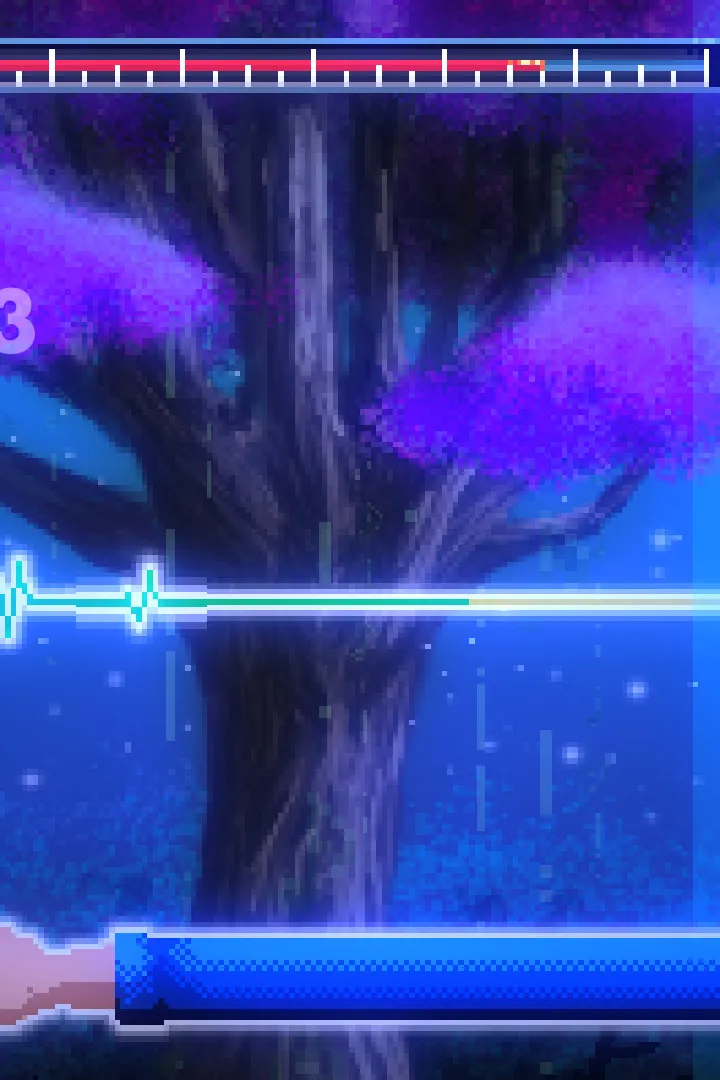
The primary mechanic involves pressing a button in time with the on-screen beat indicators, which represent the patient's heartbeat. These heartbeats are not always regular; they can vary in speed, intensity, and pattern, reflecting the patient's condition. Your goal is to hit these beats as accurately as possible. The game typically uses a single button for most inputs, but later stages may introduce variations like holding the button or tapping it multiple times in quick succession.
Accuracy is paramount. The game often categorizes your performance based on how close your inputs are to the perfect beat. Achieving 'Perfect' inputs is essential for scoring well and progressing through the game. Missing a beat or hitting it too early or too late will result in a 'Good,' 'Okay,' or 'Miss,' which can negatively impact your score and potentially the patient's health. The visual feedback is immediate: a successful 'Perfect' input will often be accompanied by a satisfying visual effect and sound, while a miss will be jarring.
Understanding Heartbeats:
- Beat Indicators: These are the visual cues that signal when to press a button.
- Rhythm Patterns: Heartbeats come in various sequences – steady, erratic, fast, slow, and complex combinations.
- Input Types: Primarily single presses, but also holds and double taps in later levels.
- Accuracy Tiers: Perfect, Good, Okay, Miss – each affecting your score and outcome.
- Feedback: Visual and auditory cues confirm the success or failure of your inputs.
The game's soundtrack is intrinsically linked to the heartbeats. Often, the music itself will guide you, with specific melodies or percussive elements corresponding to the beats you need to hit. Learning to listen to the music and feel its rhythm is as important as watching the screen. By internalizing these core mechanics, you'll be well on your way to diagnosing and treating patients with the precision of a seasoned Rhythm Doctor.
100% Human-Written. AI Fact-Checked. Community Verified. Learn how AntMag verifies content