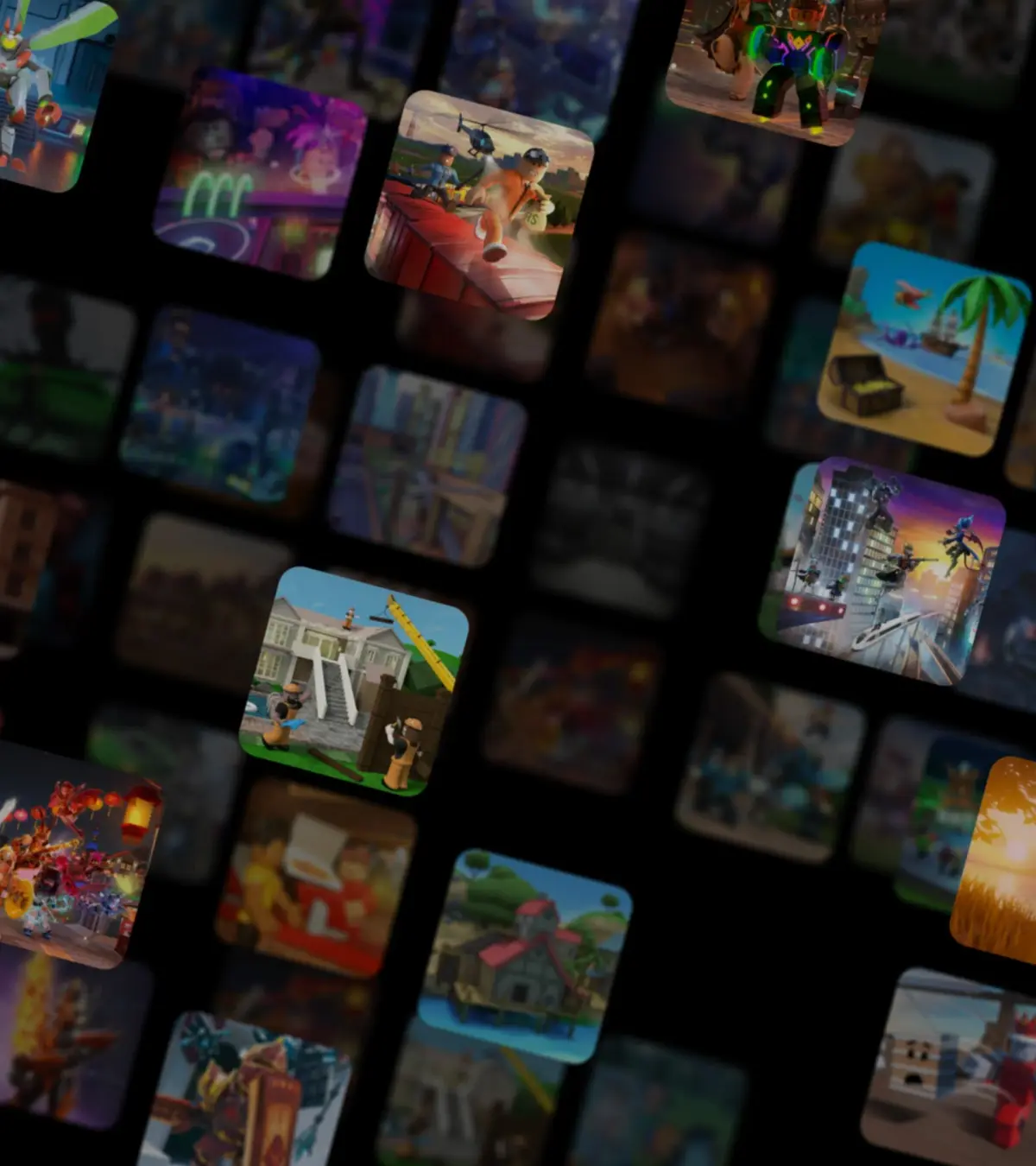
Master visual appeal in Roblox Studio. Learn to effectively use colors and lighting to shape the mood and atmosphere of your game environments for players.
In Roblox Studio, mastering colors and lighting is fundamental to creating immersive and visually appealing experiences. These elements significantly impact the mood, atmosphere, and overall aesthetic of your game, guiding player perception and enhancing engagement. Understanding how to manipulate these tools effectively can transform a basic environment into something truly captivating.
Roblox Studio offers a robust set of tools for controlling both the color of objects and the lighting within your game world. This includes adjusting the material properties of parts, applying textures, and configuring global lighting settings. The interplay between color and light is crucial for establishing the desired tone, whether it's a bright, cheerful adventure or a dark, mysterious dungeon.
Understanding Color Properties:
- Color3: This is the primary way to define colors for parts and other objects in Roblox. Color3 values are represented by RGB (Red, Green, Blue) components, each ranging from 0 to 255. You can also use hexadecimal color codes.
- Materials: Different materials (e.g., Plastic, Metal, Wood, Neon) have inherent color properties and react differently to light. Experimenting with materials can drastically alter how a color appears.
- Textures: Applying textures to parts can add intricate detail and color patterns that are not possible with simple Color3 values.
Controlling Lighting:
Lighting in Roblox is managed through the 'Lighting' service in the Explorer window. Key properties within this service include:
- Technology: Choose between 'Compatibility' (older, faster) and 'Future' (more realistic, dynamic lighting). 'Future' offers advanced features like shadows and bloom.
- Ambient: This is the base light that illuminates all parts of the scene, regardless of direct light sources. Adjusting ambient color can set an overall mood.
- OutdoorAmbient: Similar to ambient, but specifically for outdoor environments, often simulating sunlight.
- Brightness: Controls the overall intensity of light in the scene.
- Color Shift Down: Simulates the color temperature change as the sun sets.
- ClockTime: Sets the time of day, which dynamically affects lighting, shadows, and skyboxes. A clock time of 12 represents noon, while 0 or 24 represents midnight.
- Fog: Adds atmospheric fog, which can obscure distant objects and create a sense of depth or mystery. You can control its color, density, and start/end points.
- GlobalShadows: When enabled, all light sources cast shadows, significantly increasing realism.
- Outlines: Adds a colored outline to parts, which can help define shapes, especially in low-light conditions.
Practical Applications:
Imagine creating a spooky haunted house. You would use dark, desaturated colors for walls and furniture, combined with dim, flickering lights (perhaps using PointLights or SpotLights with low intensity and a warm, orange hue). Enabling 'GlobalShadows' and adding a bit of 'Fog' would enhance the eerie atmosphere. Conversely, for a vibrant, futuristic city, you'd use bright, saturated colors, neon materials, and strong, directional lighting with sharp shadows.
- Consistency is Key: Maintain a consistent color palette and lighting style throughout your game to avoid jarring transitions.
- Use Light to Guide Players: Direct players' attention to important areas or objectives by using brighter lights or contrasting colors.
- Experiment with Time of Day: Changing the 'ClockTime' can drastically alter the mood and visual appeal of your game, offering dynamic environments.
- Optimize Performance: While advanced lighting technologies like 'Future' offer stunning visuals, they can impact performance. Test your game on various devices to find a balance.
By thoughtfully applying colors and lighting, you can significantly elevate You experience, making your Roblox creations more immersive, engaging, and memorable.
100% Human-Written. AI Fact-Checked. Community Verified. Learn how AntMag verifies content