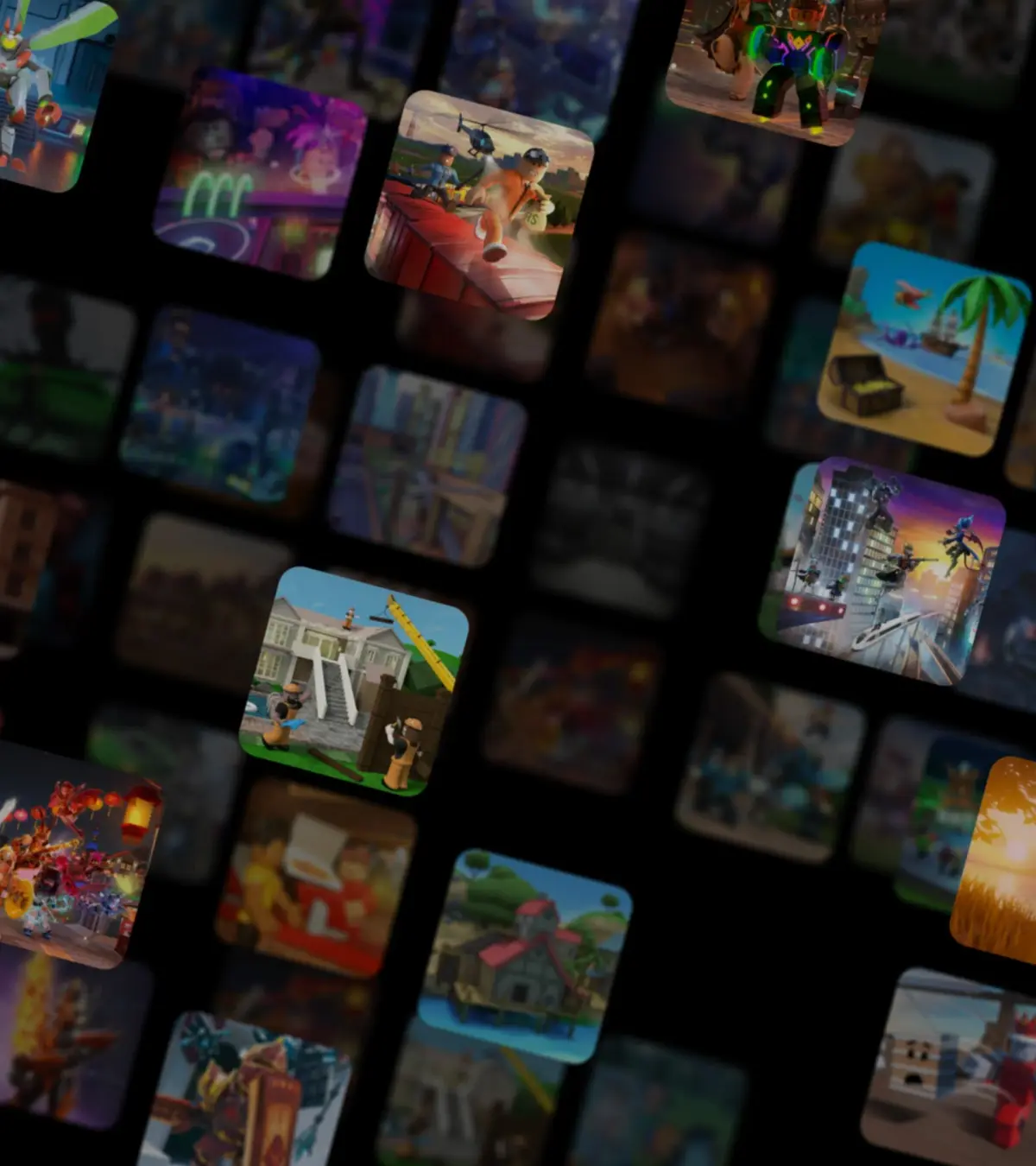
Collaborate effectively on Roblox games. Find developers, define roles, use communication tools, and manage profit sharing for successful team projects.
Creating a successful Roblox game often involves more than just solo development. Collaborating with other developers can bring diverse skills, fresh ideas, and a larger workload capacity to your project. Effective collaboration requires clear communication, defined roles, and shared goals to ensure a smooth and productive workflow.
Finding and Vetting Collaborators
The Roblox community is vast, and finding the right people to work with is crucial. Look for potential collaborators in places like:
- Roblox Developer Forum: A primary hub for developers to connect, share projects, and seek collaborators.
- Discord Servers: Many game development communities and specific game servers have channels dedicated to finding team members.
- Roblox Groups: Join or create groups focused on game development.
- Showcasing Your Work: Having a portfolio of your previous projects can attract talented individuals.
When vetting potential collaborators, consider:
- Their Portfolio/Previous Work: Do their skills al with your project's needs?
- Communication Style: Are they clear, responsive, and professional?
- Reliability: Do they have a track record of completing tasks?
- Shared Vision: Do they understand and al with your game's goals?
Establishing Roles and Responsibilities
Clear roles prevent confusion and ensure all aspects of the game are covered. Common roles include:
- Lead Developer/Project Manager: Oversees the project, makes key decisions, and manages the team.
- Scripter: Writes the game's code (Lua).
- 3D Modeler/Builder: Creates game assets, environments, and structures.
- UI/UX Deser: Dess the user interface and ensures a smooth user experience.
- Sound Deser/Composer: Creates sound effects and music.
- Game Deser: Focuses on gameplay mechanics, level des, and overall game flow.
It's beneficial to have a written agreement or contract outlining each person's responsibilities, expected contributions, and any profit-sharing arrangements.
Communication and Project Management Tools
Effective communication is the backbone of any successful collaboration. Utilize tools that facilitate:
- Regular Check-ins: Schedule daily or weekly meetings to discuss progress, challenges, and upcoming tasks.
- Centralized Communication: Use platforms like Discord for real-time chat and voice calls.
- Task Management: Tools like Trello, Asana, or even shared documents can help track tasks, deadlines, and progress.
- Version Control: For scripting and asset management, use tools like Roblox Studio's built-in version history or external services like GitHub (though integration can be complex).
Monetization and Profit Sharing
If your game is intended to generate revenue, discussing monetization strategies and profit sharing early on is vital. This includes:
- Revenue Streams: Game Passes, Developer Products, Premium Payouts.
- Profit Split: How will revenue be divided among team members? This should be based on contributions, roles, or agreed-upon percentages.
- Payment Schedules: When and how will profits be distributed?
Transparency and fairness in these discussions build trust and prevent future conflicts.
Handling Disputes
Disagreements are inevitable. Establish a process for resolving disputes:
- Open Dialogue: Encourage team members to voice concerns respectfully.
- Mediation: If a resolution can't be reached, consider having a neutral party (e.g., a lead developer or an external advisor) mediate.
- Refer to Agreements: Revisit any written agreements or contracts.
By fostering a collaborative environment built on trust, clear communication, and defined expectations, you can significantly increase your chances of creating a successful and enjoyable Roblox experience with a team.
100% Human-Written. AI Fact-Checked. Community Verified. Learn how AntMag verifies content