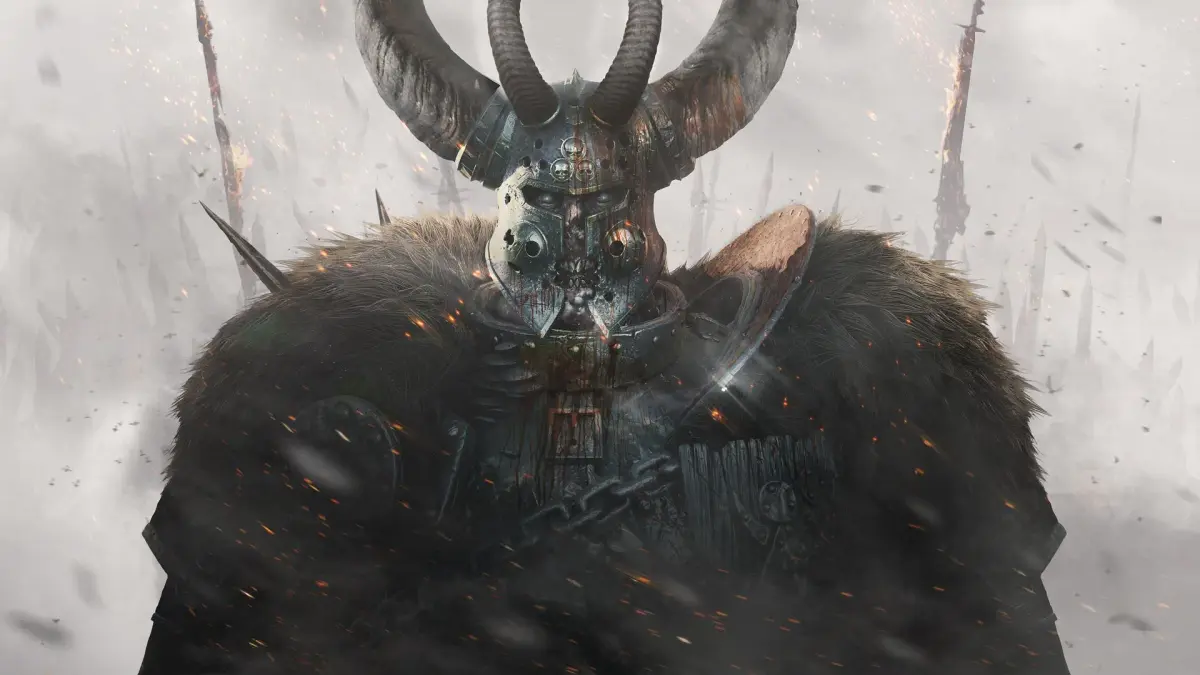
Master dodging, pushing, and blocking in Warhammer: Vermintide 2. Learn advanced movement tactics to control the battlefield and survive Legend difficulty.
Mastering movement in Warhammer: Vermintide 2 is paramount for survival, especially on higher difficulties like Legend and Cataclysm. It's not just about avoiding damage; it's about controlling the battlefield, creating space, and setting up your team for success. This section delves into the nuanced application of dodging, pushing, and blocking.
I. Dodging: The Art of Evasion
Dodging is your primary tool for avoiding incoming attacks. However, simply spamming the dodge key (default: Spacebar + directional key) is inefficient. Effective dodging requires understanding its mechanics and applying it strategically.
- Dodge Count & Distance: Each weapon has a unique "Dodge Count" and "Dodge Distance." Your Dodge Count dictates how many effective dodges you can perform in quick succession before a brief cooldown reduces their effectiveness. A high Dodge Count (e.g., Dual Daggers, Rapier) allows for sustained evasion, while a low count (e.g., Greataxe, Drakegun) means you must be more precise.
- Weapon Specifics: Experiment in the Keep's training dummy area to feel the difference. Weapons like the Rapier (Saltzpyre) and Dual Daggers (Kerillian) offer exceptional dodge capabilities, making them ideal for kiting and flanking. Conversely, heavier weapons such as the Greatsword (Kruber, Bardin) or War Pick (Bardin) have fewer effective dodges, demanding more careful positioning.
- Directional Dodging:
- Side Dodges: Most effective against wide, horizontal swings from enemies like Clan Rats, Stormvermin, and even Chaos Warriors. A well-timed side dodge can completely bypass their attack hitboxes.
- Back Dodges: Useful for creating immediate distance from a single, fast-attacking enemy or escaping a corner. Less effective against hordes due to the risk of being surrounded.
- Forward Dodges: Often overlooked, a forward dodge can be used to reposition through an enemy, especially if you need to reach a downed ally or escape a tight spot. Be cautious, as it can put you deeper into danger if not executed perfectly.
- Dodge Dancing: This advanced technique involves continuously dodging in a pattern (e.g., left-right-left-right) to maintain distance and avoid multiple enemies simultaneously. It's crucial for soloing patrols or kiting bosses like the Chaos Spawn or Rat Ogre. Practice this extensively on the "Against the Grain" map, particularly in the open areas, to get a feel for managing multiple threats.
- Dodge-Attacking: Immediately following a dodge with an attack can cancel the dodge animation, allowing for faster damage output while maintaining mobility. This is particularly effective with weapons that have good dodge properties and quick attack animations.
II. Pushing: Disrupting the Enemy
Pushing (default: Right-click + Left-click) is a vital crowd control tool that interrupts enemy attacks and creates breathing room. It consumes stamina, so managing your stamina bar is crucial.
- Push Arc & Range: Each weapon has a unique push arc and range. Larger weapons like the Executioner Sword (Kruber) or 2-Handed Hammer (Bardin) have wide pushes, effective against multiple enemies. Smaller weapons like the Dagger (Kerillian, Sienna) have a narrower, shorter push, requiring more precise targeting.
- Staggering Enemies: Pushing can stagger most basic enemies (Clan Rats, Skavenslaves, Fanatics, Gors) and even interrupt some elite attacks (e.g., Stormvermin overheads, Mauler swings). It's less effective against heavily armored elites like Chaos Warriors or bosses, but can still provide a brief stun.
- Push-Attacking: Similar to dodge-attacking, immediately following a push with an attack can be a powerful combo. This is especially effective with weapons that have strong cleave attacks, allowing you to push back a group and then hit them all with a follow-up strike. Consider weapons like the Crowbill (Sienna) for its strong single-target push-attack or the Great Axe (Bardin) for its wide cleave.
- Stamina Management: Keep an eye on your stamina bar. Pushing consumes a significant portion, especially with repeated use. Traits like Stamina Recovery on trinkets or specific weapon traits like Swift Slaying (which can indirectly help by speeding up attacks and reducing the need for pushes) can be invaluable.
- Situational Pushing:
- Interrupting Specials: A well-timed push can interrupt a Gutter Runner's pounce or a Packmaster's grab, saving a teammate.
- Creating Escape Routes: If you're cornered, a strong push can create a momentary gap to dodge through.
- Protecting Allies: Push enemies off a downed ally to give them space for revival.
III. Blocking: Your Last Line of Defense
Blocking (default: Right-click) is essential for mitigating damage when dodging or pushing isn't an option. It consumes stamina and can leave you vulnerable if your guard is broken.
- Block Cost & Angle: Every weapon has a "Block Cost" (how much stamina is consumed per blocked hit) and a "Block Angle" (the frontal arc in which attacks are blocked). Shields (e.g., Shield & Axe, Shield & Hammer) offer the best Block Cost and a wide Block Angle, making them excellent for tanking. Dual-wielding weapons or single weapons generally have higher Block Costs and narrower angles.
- Push-Blocking: Holding block and then pushing is a "push-block." This is crucial for instantly interrupting enemies that are already attacking you, or for creating space when you're being swarmed. It's a faster reaction than a standard push.
- Stamina Shields: Your stamina bar is represented by "shields." Each shield can absorb a certain amount of damage before your guard is broken, leaving you vulnerable to a direct hit and a brief stun.
- Block Cost Reduction: Look for traits like Block Cost Reduction on weapons and trinkets to significantly improve your blocking efficiency. Careers like Ironbreaker (Bardin) naturally excel at blocking due to their passive talents and access to shields.
- Stamina Regeneration: Traits like Stamina Recovery and talents that boost stamina regeneration are crucial for maintaining your block and push capabilities.
- Blocking Overhead Attacks: Certain enemy attacks, particularly overheads from Stormvermin, Chaos Warriors, and bosses, deal massive damage and can quickly break your guard. While blocking them is possible, it's often better to dodge these attacks if possible. If blocking, ensure you have sufficient stamina and ideally, Block Cost Reduction.
- Team Blocking: In tight corridors or chokepoints, a dedicated blocker (often a Shield user) can hold a line, allowing teammates to safely attack from behind. This is a common strategy on maps like "Horn of Magnus" in the narrow streets or "The Blightreaper" in the sewer sections.
By integrating these advanced movement techniques into your gameplay, you'll not only survive longer but also become a more effective and valuable member of your Ubersreik Five (or Four) team. Practice these concepts regularly in the training grounds and on various maps to develop muscle memory and situational awareness.
100% Human-Written. AI Fact-Checked. Community Verified. Learn how AntMag verifies content