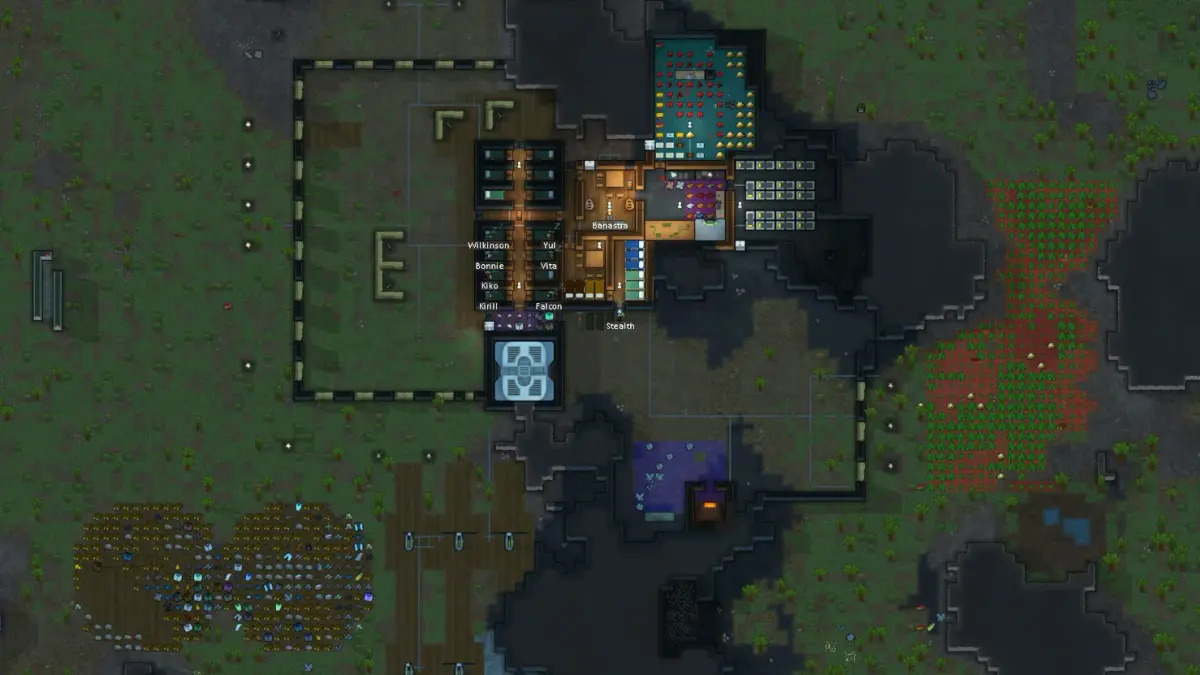
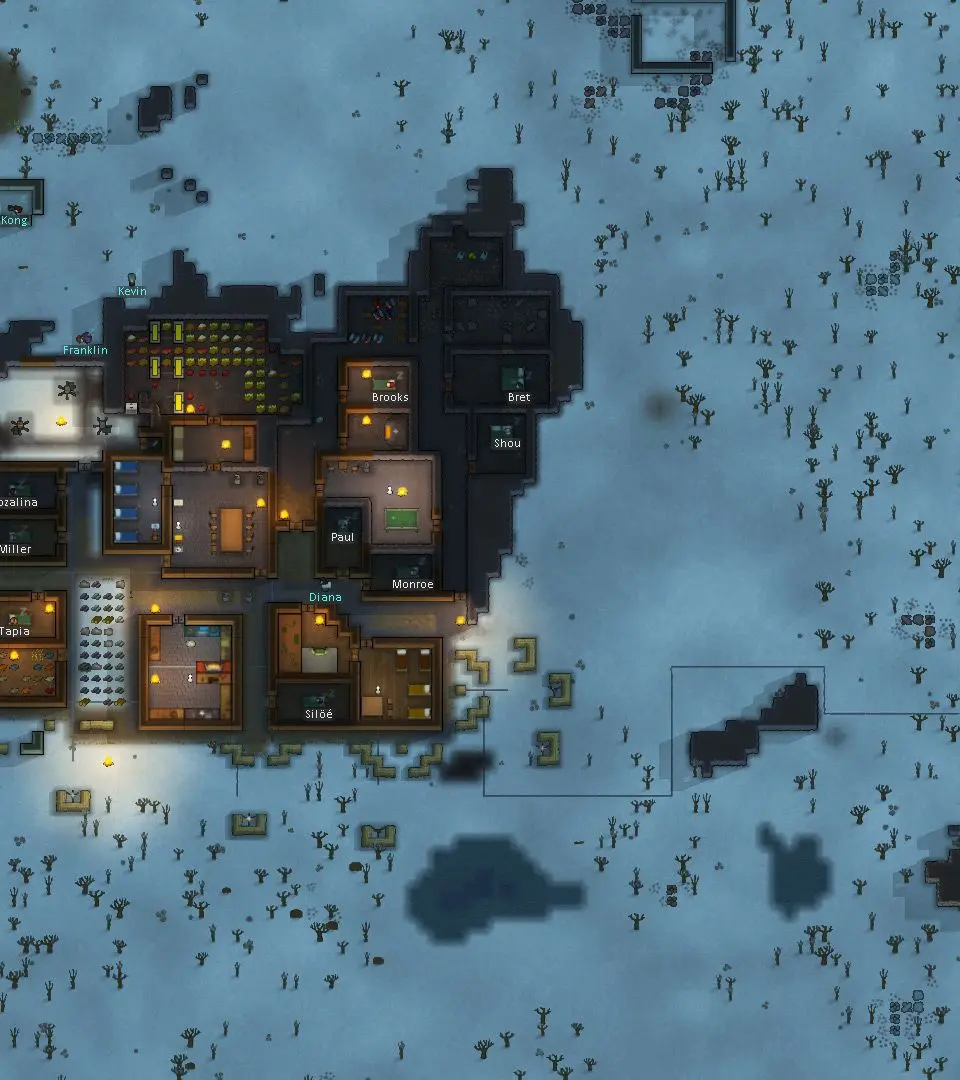
Prepare for early RimWorld threats: raids, mad animals, and fires. Build defenses, train combatants, and ensure food safety to survive.
The RimWorld is an unforgiving planet, and your nascent colony will face numerous challenges from the moment you crash-land. Understanding and preparing for these early game threats is paramount to your survival and eventual prosperity. This section will detail the most common dangers you'll encounter and provide actionable strategies to mitigate them.
Hostile Encounters
The most immediate and often devastating threats come from hostile entities looking to harm your colonists or steal your resources.
Raids
Raids are attacks launched by hostile factions. Early raids are typically small, consisting of one to three poorly equipped individuals, but they can quickly escalate if not handled correctly.
- Types of Early Raiders:
- Tribals: Often armed with bows, spears, and clubs. They are numerous but individually weak.
- Pirates: Usually fewer in number but better equipped with pistols, revolvers, and occasionally shotguns. They may also bring grenades.
- Strategy:
- Defensive Positioning: Utilize natural choke points or construct basic defenses. A simple wall or sandbag line can provide crucial cover.
- Weaponry: Equip your colonists with the best available early-game weapons. Prioritize ranged weapons like bows or revolvers over melee if possible. Even a short bow is better than fists.
- Funneling: Direct raiders into a prepared kill zone. While a full-fledged killbox design is covered in detail in our Advanced Base Defense: Killbox Design section, the basic principle involves creating a single, heavily defended entry point into your base. This could be as simple as leaving one gap in your perimeter wall and placing sandbags and cover for your colonists around it.
- Target Prioritization: Focus fire on the most dangerous raiders first (e.g., those with guns or incendiary weapons).
- Medical Preparedness: Have a designated doctor and a clean medical area with basic medicine ready to treat injuries immediately after the raid.
- Common Pitfalls:
- Underestimating small raids: Even one raider can down a colonist if they get lucky.
- Lack of cover: Fighting in the open leaves your colonists vulnerable.
- No escape route: Ensure your colonists can retreat safely if overwhelmed.
Mad Animals
Individual animals or entire herds can go "mad," becoming aggressive and attacking anything in sight, including your colonists and structures.
- Causes: Can be random events, triggered by hunting failures, or psychic phenomena.
- Strategy:
- Containment: If possible, lure the animal away from your main base or into a trap.
- Group Attack: Have multiple armed colonists engage the animal simultaneously to quickly put it down.
- Melee Block: A colonist with decent melee skill and armor (even basic tribalwear offers some protection) can engage the animal in melee while others shoot from behind them, preventing the animal from reaching the ranged attackers.
- Prioritize Dangerous Animals: Animals like bears, boars, or even large predators can be extremely dangerous. Smaller animals like squirrels or chickens are less of a threat but can still cause minor injuries.
- Rewards: Mad animals, once defeated, provide valuable meat and leather.
Environmental & Internal Threats
Beyond external aggressors, your colony must contend with the harsh environment and potential internal mishaps.
Fires
Fires can start from various sources: lightning strikes, incendiary raider weapons, short circuits, or even poorly managed campfires. They spread rapidly, especially in forests or areas with flammable structures.
- Strategy:
- Firefoam Poppers: While sometimes a mid-game item, if you find one early, place it strategically in high-risk areas like your workshop or kitchen.
- Firebreaks: Clear strips of land (at least 3 tiles wide) around your base and critical structures to prevent fire spread.
- Designated Firefighters: Ensure at least one colonist has "Firefighting" enabled in their work tab and is prioritized for it.
- Water: Keep a water source (even a small pond) accessible if possible, as colonists will use it to extinguish fires.
- Stone Construction: As soon as resources allow, upgrade wooden walls and floors to stone to significantly reduce fire risk.
- Common Pitfalls:
- Ignoring small fires: A single spark can quickly engulf your entire base.
- Building entirely out of wood: Highly flammable and easily destroyed.
Food Poisoning
A common early-game ailment that can incapacitate colonists, leading to vomiting, pain, and reduced work efficiency. Severe cases can even lead to death if not treated.
- Causes:
- Dirty Cooking Area: Cooking in a dirty room (e.g., with blood, dirt, or garbage) significantly increases the chance of food poisoning.
- Low Skill Cook: Colonists with low "Cooking" skill are more prone to making mistakes.
- Raw Food: Eating raw food (especially meat) carries a high risk.
- Spoiled Food: Consuming food that has deteriorated past its "fresh" stage.
- Strategy:
- Dedicated Kitchen: Build a clean, enclosed kitchen area. Keep it free of dirt, blood, and animal filth.
- Skilled Cook: Assign your highest-skilled colonist to cooking.
- Refrigeration: Build a freezer as soon as possible to prevent food spoilage.
- Hygiene: Ensure colonists have access to a clean path to the kitchen and that the kitchen itself is regularly cleaned.
- Food Storage: Store raw ingredients in a clean, cool place, ideally within the freezer.
Blight
A plant disease that can rapidly spread through your crops, destroying entire harvests if left unchecked.
- Strategy:
- Early Detection: Keep an eye on your crops. Blight appears as a distinct brown/yellow discoloration.
- Immediate Action: As soon as blight is detected, assign colonists to "Cut Blighted Plants" (a high-priority task). They will destroy the blighted plants, preventing further spread.
- Crop Rotation/Separation: While not fully implemented in a traditional sense, planting different crops in separate fields can limit the spread if one field gets blighted.
Short Circuits
A common event when your power grid is exposed to rain or if a power conduit is damaged. Can cause fires and power outages.
- Strategy:
- Conduit Placement: Bury power conduits underground (requires research) or place them indoors to protect them from rain.
- Circuit Breakers (Power Switches): Install power switches to isolate sections of your grid during a short circuit, preventing widespread damage.
- Batteries: While essential for power storage, batteries can explode during a short circuit. Enclose them in a fireproof room (stone walls) and consider placing a firefoam popper nearby.
Solar Flares
A temporary global event that disables all electrical devices on the map. This includes lights, refrigerators, turrets, and even comms consoles.
- Strategy:
- Food Preservation: Have a stock of non-perishable food items (pemmican, packaged survival meals) for when your freezers go offline.
- Defense: Be aware that turrets will be inactive during a solar flare. Rely on traditional defenses and armed colonists.
- Light: Keep some torches or campfires ready for illumination if you rely heavily on electric lights.
- Duration: Solar flares typically last for a few hours to a day.
By understanding these early game threats and implementing the suggested strategies, you can significantly increase your colony's chances of survival and lay a strong foundation for future growth.
100% Human-Written. AI Fact-Checked. Community Verified. Learn how AntMag verifies content