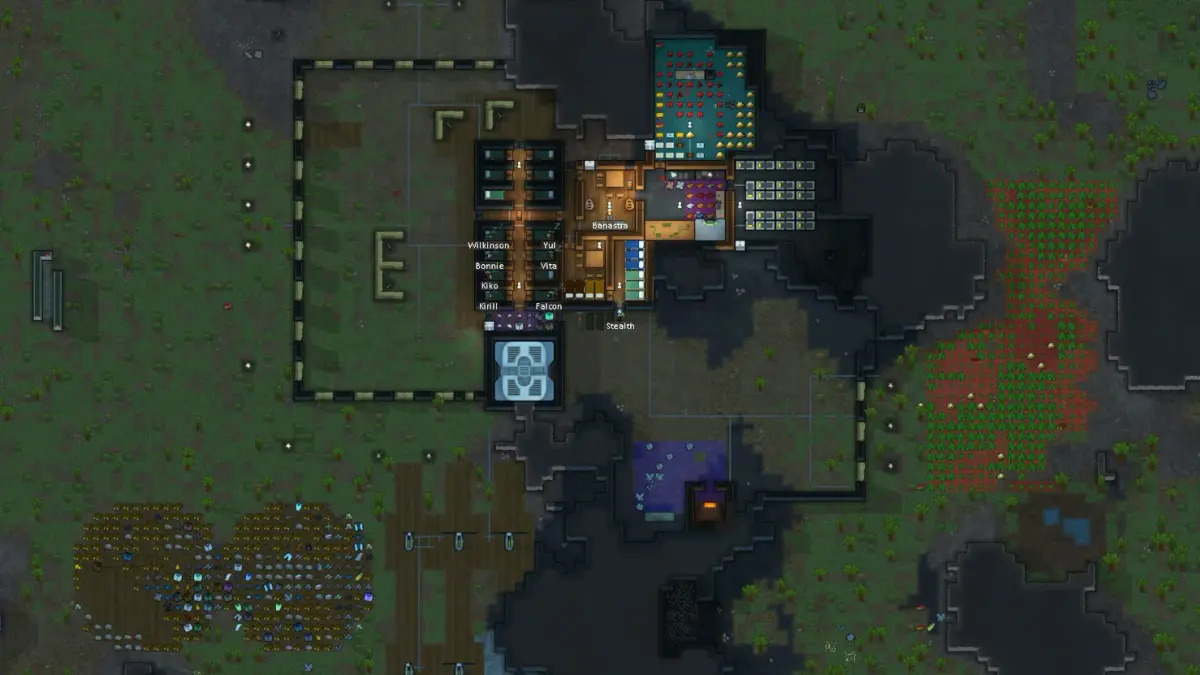
RimWorld Month 1: Expand living spaces, build a hospital with sterile tiles, recruit colonists, and upgrade defenses with walls, turrets, and a killbox.
The first month in RimWorld is a delicate balance of survival, growth, and preparation for the inevitable challenges ahead. Having established a basic foothold, your focus now shifts to solidifying your colony's infrastructure, expanding your workforce, and, crucially, bolstering your defenses against increasingly potent threats.
Colony Expansion & Infrastructure
With your initial shelter established, it's time to think bigger. Efficiency and specialized rooms will significantly boost your colonists' mood and productivity.
- Living Quarters: Upgrade your initial barracks into individual, private bedrooms for each colonist. A 3x3 or 4x4 room is a good starting point. Furnish them with a good bed (preferably made from wood or metal), a dresser, and a nightstand. These small comforts provide significant mood buffs.
- Dedicated Kitchen: Move cooking operations out of your main dining/storage area. A 3x3 or 4x4 kitchen, ideally with a stone or metal floor, will help maintain cleanliness. Prioritize researching and building a Electric Stove as soon as power is stable.
- Hospital: A dedicated medical facility is paramount. Researching Sterile Tiles (under the 'Research' tab, usually early-game) is a top priority. These tiles drastically reduce the chance of infection in medical operations and recovery. Aim for a 5x5 or larger room, equipped with at least two Hospital Beds (crafted from components and steel), a Medical Cabinet (for improved treatment quality), and a Vitals Monitor (requires research and power). Keep this room impeccably clean.
- Storage Expansion: As your resource stockpiles grow, you'll need more organized storage. Designate separate zones for raw materials, finished goods, food (especially a dedicated freezer), and weapons/apparel.
- Power Generation: If you haven't already, establish a reliable power grid. Solar Generators and Wind Turbines are excellent early-game options. Remember to connect them to Batteries to store excess power for nighttime or calm periods.
Research Priorities
Beyond Sterile Tiles, strategic research is key to long-term survival. Here are some critical early-game research targets:
- Electricity: (If not already done) Unlocks generators, batteries, and powered appliances.
- Stonecutting: Allows you to process stone chunks into blocks, essential for durable, fire-resistant walls and floors.
- Machining: Unlocks the Machining Table, allowing you to craft components and basic weapons.
- Gunsmithing: Enables the crafting of basic firearms, a significant upgrade over bows and clubs.
- Basic Turrets: Provides access to the Mini-turret, a cornerstone of early-game defenses.
- Passive Cooler / Air Conditioner: Essential for managing temperature in extreme biomes, especially for freezers and comfortable living spaces.
Recruiting & Expanding Your Workforce
More hands mean faster construction, more resources, and better defense. There are two primary ways to gain new colonists:
- Recruitment: When raiders are downed but not killed, you can capture them. Assign a colonist with good Social skill to "Recruit" them. This is a slow process, often requiring multiple attempts, but it can yield valuable new members. Ensure your prison cell is clean and provides basic comfort to improve recruitment chances.
- Rescue Missions/Wanderers: Occasionally, events will pop up offering a chance to rescue a downed colonist from another faction or a wanderer will simply join. These are often easier ways to gain new members, though you have less control over their skills.
Defense Strategy: Walls, Turrets, and the Killbox
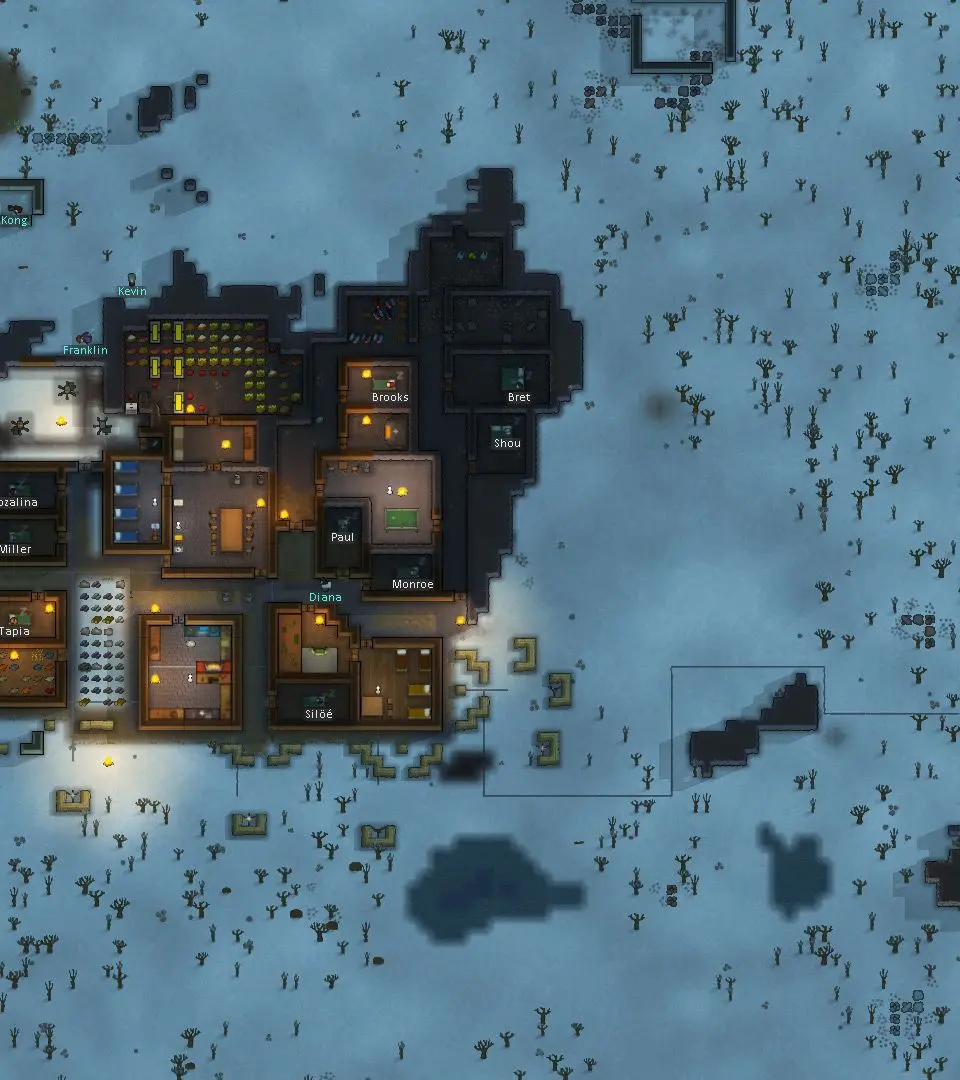
As your colony grows, so does the threat level of incoming raids. Robust defenses are no longer optional.
- Perimeter Walls: Upgrade your initial wooden walls to stone or metal. Stone walls (granite, limestone, sandstone, marble, slate) are highly durable and fire-resistant. A double-thick wall provides even greater protection against sappers.
- Weapons & Armor: Ensure all colonists are equipped with at least a basic ranged weapon (bows, pistols, rifles) and some form of armor (flak vests, helmets). Prioritize equipping your best shooters.
- Basic Turrets: Once researched, deploy Mini-turrets at strategic choke points. Remember they require power and will explode if destroyed, so place them carefully. They also consume steel for repairs.
- The Killbox Concept: A killbox is a designed funnel that forces raiders into a specific area where your colonists and turrets have a significant advantage. While a full, elaborate killbox might be a later-game project, you can start with basic principles:
- Choke Point: Create a single, narrow entrance to your base.
- Cover for Defenders: Place sandbags or barricades for your colonists to shoot from, providing cover while denying it to raiders.
- Open Ground for Raiders: The area raiders are funneled into should ideally be open, denying them cover.
- Turret Placement: Position turrets to cover the killbox entrance and flanks.
- Traps: Early-game, spike traps (crafted from wood or steel) can be placed within the killbox to inflict damage on approaching enemies.
For detailed killbox designs, refer to our dedicated guide: "Advanced Killbox Strategies".
Trading & Diplomacy
Don't isolate your colony. Trading is vital for acquiring resources you lack and selling off excess goods.
- Orbital Traders: Periodically, orbital trade ships will pass by. Build an Orbital Trade Beacon in your storage area to access their inventory. They offer a wide range of goods, from components to advanced weapons.
- Caravan Traders: Friendly factions will send caravans to your colony. These are excellent opportunities to buy and sell. Build a Comms Console to interact with both orbital and caravan traders.
- What to Trade: Sell things you have in abundance (e.g., excess textiles, crafted apparel, drugs like psychite tea or beer if you've started production). Buy components, advanced materials, specific weapons, or even new animals.
- Faction Relations: Maintain positive relations with friendly factions by trading fairly and avoiding hostile actions. Good relations can lead to aid in times of need or better trade prices.
By the end of Month 1, your colony should be a self-sufficient, growing entity with a clear defensive strategy and a plan for future expansion. The challenges will only increase, but with a solid foundation, you'll be ready.
100% Human-Written. AI Fact-Checked. Community Verified. Learn how AntMag verifies content