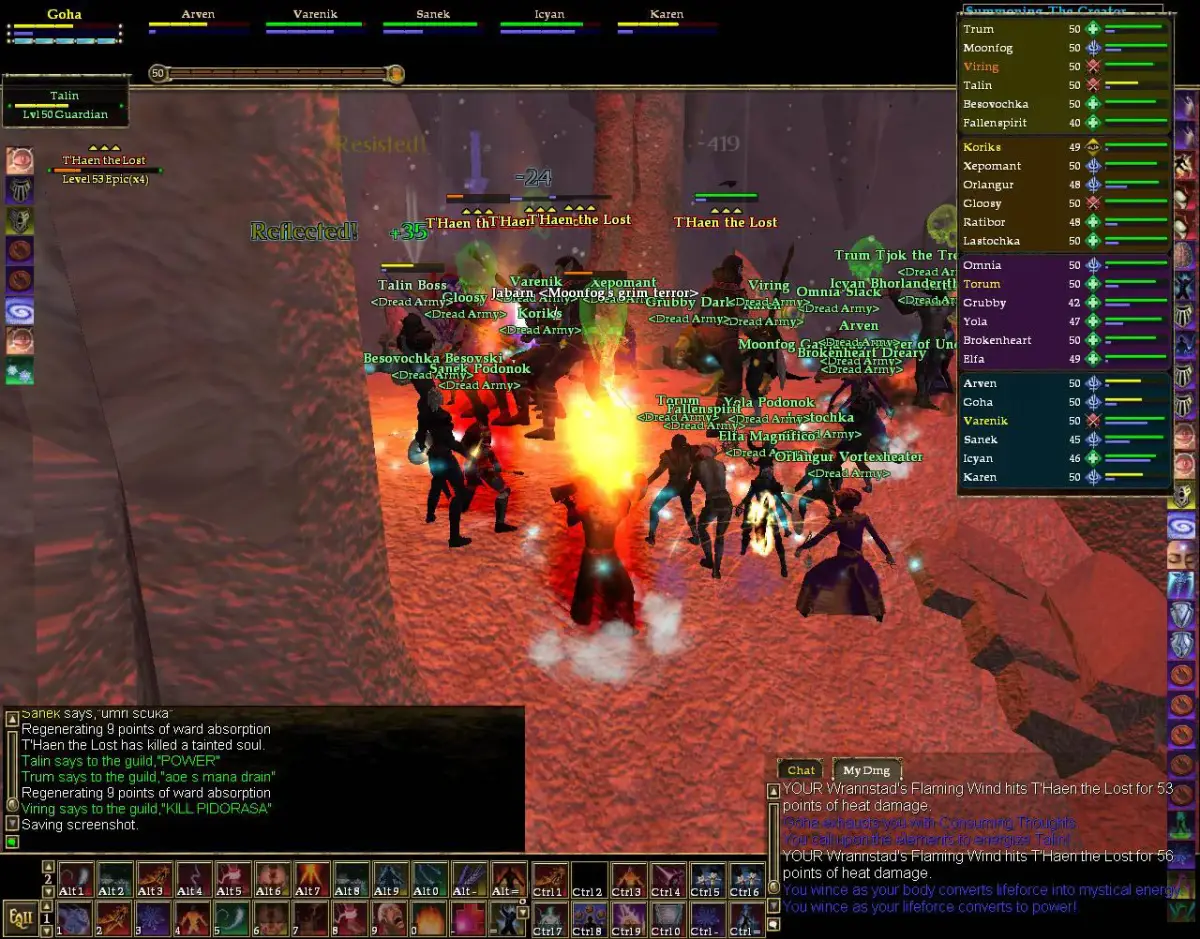
Welcome to Norrath, adventurer! EverQuest II, released in 2004 by Sony Online Entertainment, is a sprawling MMORPG that throws you into a world brimming with magic, monsters, and ancient lore. Whether you're a seasoned MMO player or new to the genre, you'll find yourself mastering combat roles, diving deep into intricate crafting systems, and embarking on epic quests across a vast and dynamic world. From the moment you step into "The Shattered Lands" and choose your archetype, you're on a path to uncover the secrets of this iconic virtual realm.
This guide is your essential companion for conquering EverQuest II's many challenges. We'll walk you through everything from optimizing your PC for the best performance to understanding item rarity and excelling in your chosen combat role. Get ready to master quests, hone your crafting skills, and truly experience all that Norrath has to offer.
Item Rarity & Quality
Understand EverQuest II item rarity and quality tiers (White to Yellow) to evaluate gear and optimize your character.
Items in EverQuest II are categorized by rarity and quality, which generally indicate their power and the difficulty of obtaining them. Understanding these distinctions is crucial for evaluating gear and knowing what to pursue.
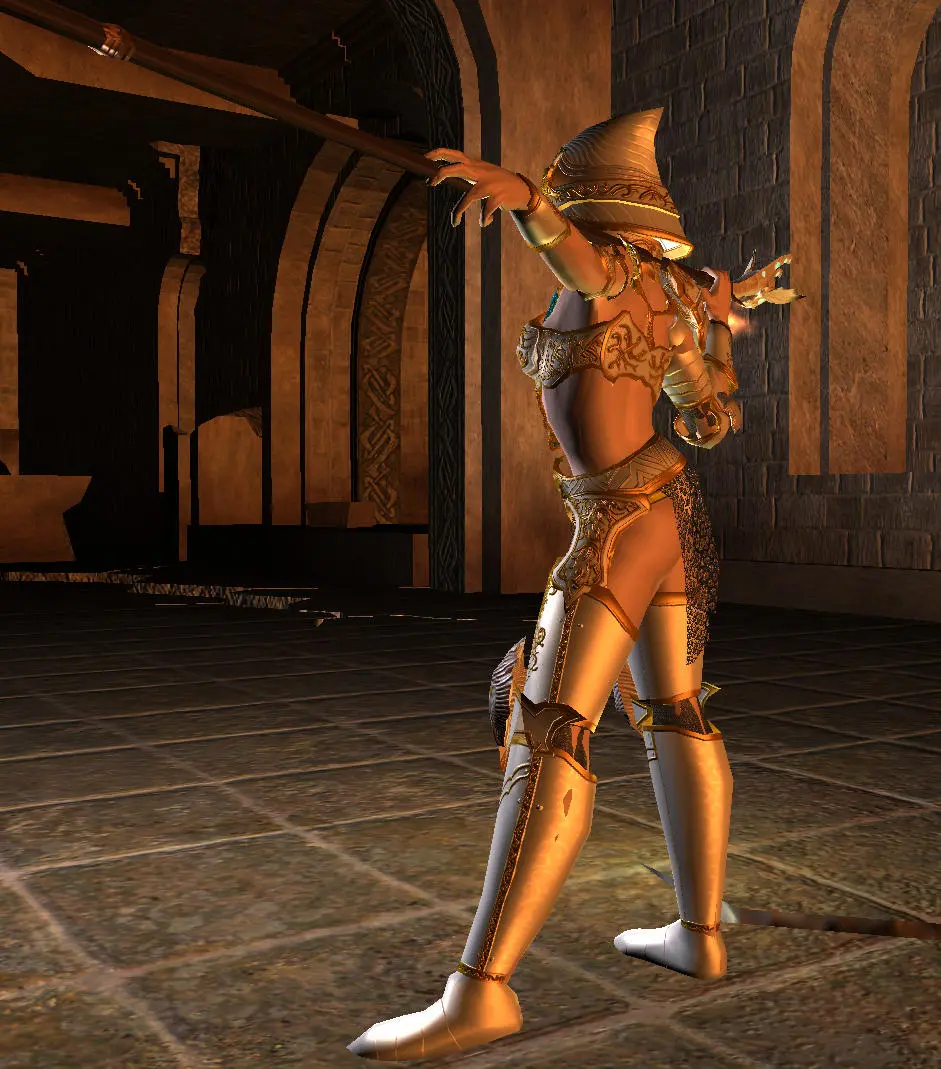
Rarity Tiers (Color-Coded):
- White (Common): Basic vendor trash or very low-level quest rewards. Minimal stats.
- Green (Uncommon): Slightly better than common, often found as drops from regular monsters.
- Blue (Rare): Good quality items, typically from named monsters, quest rewards, or crafted. These are often a solid upgrade during leveling.
- Purple (Legendary): Very powerful items, usually from dungeon bosses, raid encounters, or high-end crafting. These are often best-in-slot for a significant portion of the game.
- Orange (Fabled): Extremely rare and powerful items, often from raid bosses, epic quests, or specific heritage quests. These are typically considered top-tier for their level.
- Yellow (Mythical): The highest tier of rarity, often obtained through complex quest lines, raid achievements, or specific expansion content. These are usually the absolute best-in-slot items.
Item Quality:
Beyond rarity, items can also have a 'quality' rating, often seen on crafted items (e.g., 'Mastercrafted'). Higher quality items generally have better stats within their rarity tier. For example, a 'Mastercrafted' blue item will be superior to a 'Handcrafted' blue item.
Always prioritize higher rarity and quality when upgrading your gear, as the stat differences can be substantial. However, also consider the specific stats on an item and how they benefit your class and build.
Getting Started
Begin your EverQuest II adventure. This guide covers character creation, basic controls, and the user interface for a smooth start in Norrath.
Getting Started
Begin your EverQuest II adventure. This guide covers character creation, basic controls, and the user interface for a smooth start in Norrath.
Account Creation & Installation
Step-by-step guide to creating your EverQuest II account and installing the game client for a smooth start.
To begin your journey in EverQuest II, you'll first need to create a Daybreak Games account if you don't already have one. Visit the official EverQuest II website and follow the prompts for account registration. Once your account is set up, you can download the game client. The installation process is straightforward; simply follow the on-screen instructions. Ensure you have sufficient disk space (typically 30-50 GB) and a stable internet connection for the download and patching process. It's recommended to install the game on an SSD for faster loading times, significantly improving your overall gameplay experience.
After installation, the game launcher will appear. This launcher is responsible for patching the game to the latest version. Always allow it to complete any updates before launching the game to avoid potential issues. You can also configure various settings through the launcher, such as graphics options and language preferences, though most in-game settings are best adjusted once you're in Norrath.
Character Creation
Shape your EverQuest II journey by choosing Race, Class, and Deity. Understand unique abilities and starting stats for impactful play.
Character creation is your first major decision in EverQuest II, shaping your entire gameplay experience. You'll choose your Race, Class, and Deity, each offering unique benefits and playstyles. Take your time here, as these choices are fundamental.
Race Selection
There are numerous races available, each with unique racial abilities and starting statistics. For example, a Fae might have a bonus to wisdom and a racial ability for gliding, while a Troll could have increased strength and health regeneration. Consider what kind of role you want to play. Do you prefer a sturdy tank, a powerful spellcaster, or a nimble damage dealer? Some races naturally align better with certain classes due to their stat bonuses. For instance, a High Elf often makes an excellent Wizard due to their intelligence bonus, while a Barbarian is well-suited for a Warrior.
Class Selection
This is arguably the most critical choice. EverQuest II features a robust class system with four archetypes: Fighter (tanks), Scout (damage dealers, some utility), Mage (spellcasters, damage/support), and Priest (healers, buffers). Each archetype branches into several sub-classes at level 10, and then into specific classes at level 20. For example, a Fighter can become a Guardian or a Berserker. Researching these paths beforehand can help you choose a class that truly resonates with your preferred playstyle. Do you enjoy being in the thick of battle, supporting allies from afar, or unleashing devastating spells?
Deity Selection
Your chosen deity grants you access to unique blessings and spells as you progress. While not as impactful as Race or Class, it adds another layer of customization and role-playing. Some deities are aligned with good, others with evil, and some are neutral. Their blessings often complement certain classes; for example, a Priest might benefit from a healing-focused deity, while a Fighter might prefer a deity that grants defensive boons. You can change your deity later in the game, but it involves a quest line.
Appearance Customization
Beyond the mechanical choices, you can extensively customize your character's appearance, from facial features and hair to body type and skin color. Spend some time making your character unique, as you'll be spending many hours with them!
Similar guides you might like
100% Human-Written. AI Fact-Checked. Community Verified. Learn how AntMag verifies content