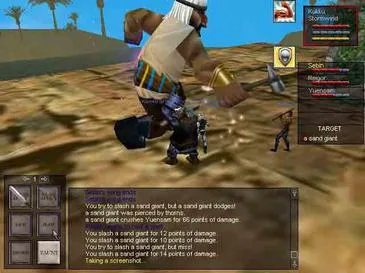
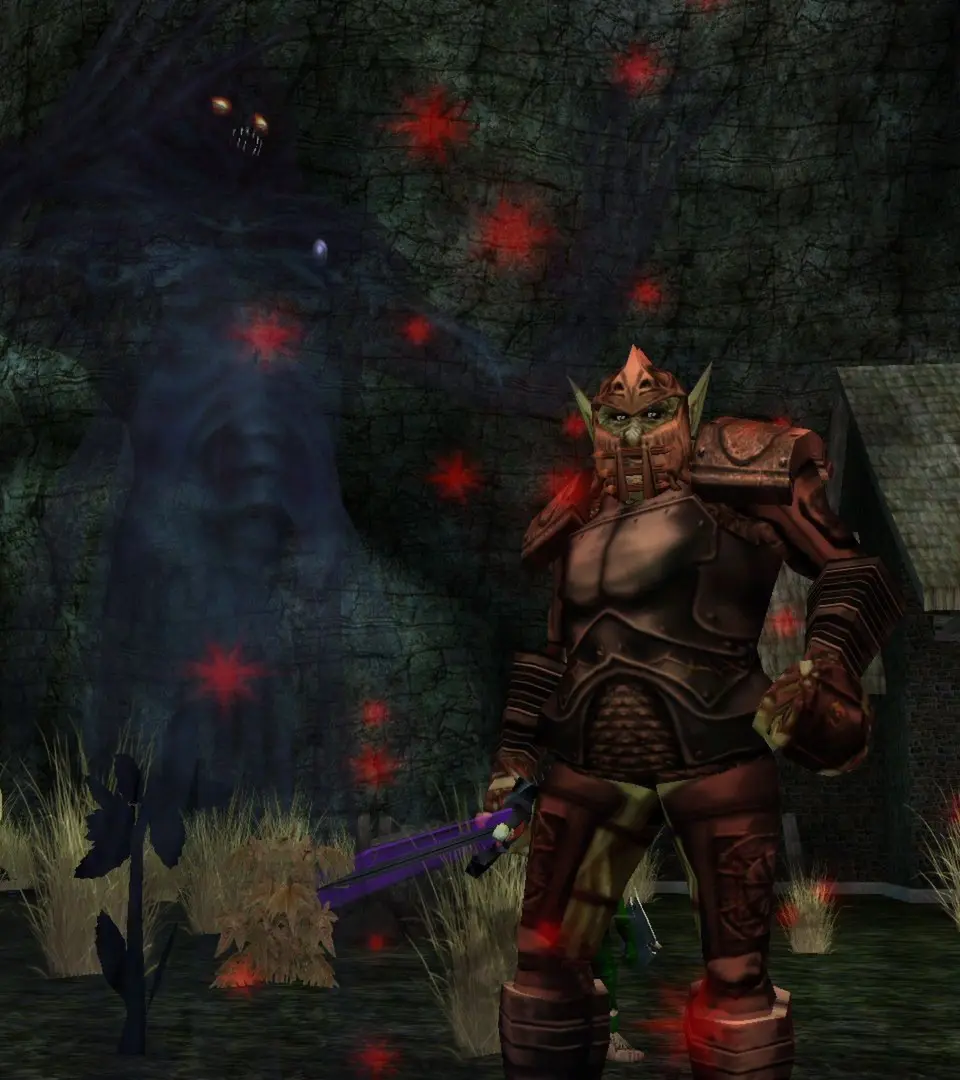
Conquer dungeons and raids in EverQuest with key strategies for planning, teamwork, and understanding game mechanics to overcome Norrath's toughest challenges.
Venturing into dungeons and tackling raids in EverQuest requires more than just raw power; it demands meticulous planning, coordinated teamwork, and a deep understanding of game mechanics. This comprehensive guide will equip you with the foundational knowledge and actionable strategies to conquer even the most formidable challenges Norrath has to offer.
Pre-Dungeon/Raid Preparation
Success begins long before you set foot in the dungeon. Proper preparation can mean the difference between a triumphant victory and a frustrating wipe.
- Group Composition: A balanced group is crucial. Aim for a "holy trinity" setup:
- Tank(s): Warriors, Shadow Knights, Paladins. Their primary role is to hold aggro and absorb damage. Ensure they have high AC (Armor Class) gear and taunt abilities.
- Healer(s): Clerics, Druids, Shaman. Essential for keeping tanks and the group alive. Bring plenty of mana regeneration items.
- Damage Dealers (DPS): Monks, Rogues, Wizards, Magicians, Rangers, Bards. Focus on maximizing damage output. Casters should bring ample spell components.
- Crowd Control (CC): Enchanters, Bards, sometimes Shamans or Druids. Vital for managing multiple enemies. Mez, root, and lull are your friends.
- Gear Check: Ensure all group members have appropriate gear for the content. This includes:
- Armor: High AC for tanks, good stats for everyone else.
- Weapons: Best available for your class. Consider damage type for specific mob weaknesses.
- Jewelry: Rings, necklaces, and earrings that boost stats like HP, mana, AC, or resistences.
- Consumables: Potions (healing, mana, clarity), food, drink, spell components (e.g., Bat Wings for Invisibility, Peridot for Resurrection).
- Buffs: Before engaging, ensure everyone is fully buffed. This includes:
- HP/AC Buffs: Symbol of Nal'Tor (Cleric), Spirit of Wolf (Druid/Shaman).
- Damage Buffs: Strength, Attack Speed buffs.
- Resist Buffs: Particularly important for encounters with elemental or magic-based attacks.
- Clarity/Mana Regen: Especially for casters.
- Communication: Establish clear communication channels. Voice chat (if available) is ideal, otherwise, designate a group leader to relay commands via chat.
In-Dungeon/Raid Strategies
Once inside, adaptability and execution are key. Every pull and every boss encounter will test your group's cohesion.
Pulling and Engagement
The pull is often the most critical phase of any encounter. A bad pull can quickly lead to a wipe.
- Designate a Puller: Usually a Monk, Ranger, or Bard. Their role is to safely bring enemies to the group.
- Monks: Utilize Mend and Feign Death to split pulls or escape danger.
- Rangers: Can use harmony spells to split groups of mobs.
- Bards: Lull and Mez are powerful tools for crowd control during pulls.
- Positioning: Tanks should be at the front, ready to intercept the incoming mob. Healers and casters should be positioned safely out of melee range but within healing/spell range.
- Aggro Management:
- Tanks: Immediately use taunt abilities (e.g., Taunt, Bash, Discipline abilities) to establish and maintain aggro.
- DPS: Wait a few seconds for the tank to establish solid aggro before unleashing full damage. Avoid casting high-aggro spells too early.
- Healers: Be mindful of healing aggro. Use smaller heals initially, or wait for the tank to be firmly established.
- Crowd Control (CC): If multiple mobs are pulled, the CC class must immediately engage.
- Enchanters: Use Mesmerize (e.g., Color Flux, Cacophony) on secondary targets. Keep an eye on breaks.
- Bards: Use Lullaby or other CC songs.
- Root: Druids and Shamans can root mobs to keep them from engaging the group.
Combat Execution
Once engaged, focus on your role and react to the flow of battle.
- Targeting Priority:
- Add Control: If adds spawn, prioritize the most dangerous ones (casters, healers, high-DPS mobs).
- Main Target: Focus fire on the primary target designated by the group leader.
- CC'd Mobs: Avoid breaking CC unless specifically instructed.
- Healing Rotation: Healers should coordinate their heals to avoid overhealing and conserve mana. Designate a main tank healer and off-tank/group healers.
- Spell Interruption: Casters should be aware of mob casting and use stuns or interrupts if available and necessary.
- Situational Awareness: Pay attention to your health, mana, and the health of your group members. Be ready to react to unexpected events like aggro shifts or incoming waves of enemies.
- Escape Routes: Always have an escape plan. Know where to run if things go south, and consider using items like Gate Potions or Evacuate spells if available.
Looting and Post-Encounter
After a successful kill, efficient looting and preparation for the next encounter are important.
- Loot Distribution: Establish a clear looting policy beforehand (e.g., Need/Greed, Main Assist, Free-for-All).
- Important Drops: Prioritize unique items, quest items, and rare components.
- Currency: Split platinum and gold evenly, or designate one person to collect and distribute.
- Medding/Regen: Allow time for casters to regenerate mana and for everyone to heal up before pulling again. Use bandages, potions, and spells.
- Re-buffing: Reapply any expired buffs.
- Scouting Ahead: The puller or a rogue can scout ahead to identify the next pull and potential dangers.
Advanced Raid Considerations
For larger raids, these general strategies are amplified and require even greater coordination.
- Raid Leaders: A dedicated raid leader is essential for calling targets, managing pulls, and assigning roles.
- Multiple Tanks: Often, raids require multiple tanks to handle various boss abilities or waves of adds. Designate a Main Tank (MT) and Off-Tanks (OT).
- Designated Healers: Assign specific healers to the MT, OTs, and general raid healing.
- Raid-Wide Abilities: Be aware of boss abilities that affect the entire raid (e.g., AoE spells, fear effects). Have strategies in place to counter them (e.g., Bard songs for fear, resist buffs).
- Dispelling: Some bosses cast detrimental buffs on themselves or debuffs on the raid. Have classes capable of dispelling ready (e.g., Enchanters, Shamans).
- Positioning Zones: For complex encounters, establish specific zones for melee, ranged DPS, and healers to minimize damage and maximize effectiveness.
By adhering to these general principles and adapting them to specific encounters, your group or raid will be well-equipped to overcome the challenges that await in the dungeons and raid zones of EverQuest.
100% Human-Written. AI Fact-Checked. Community Verified. Learn how AntMag verifies content